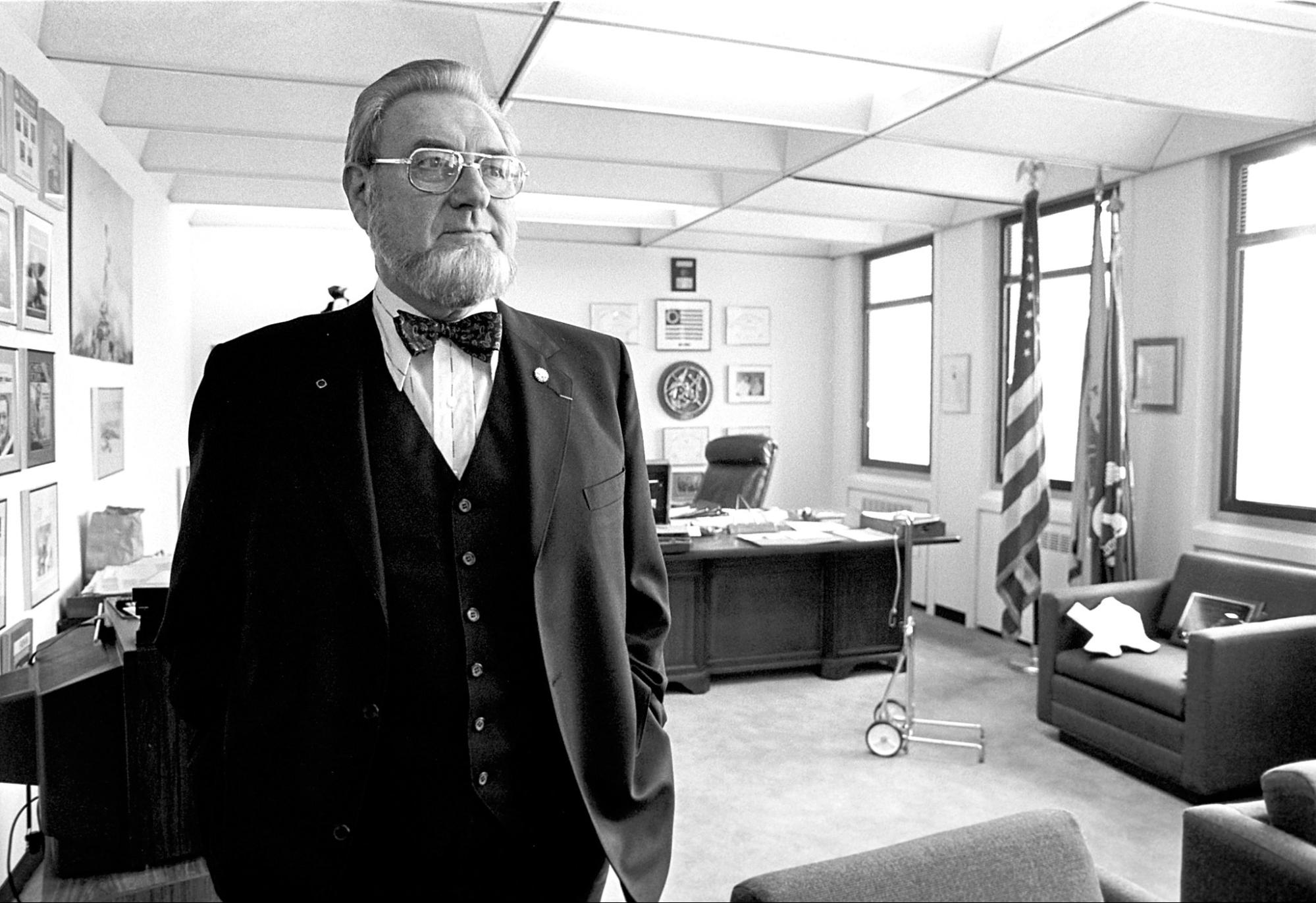

C. Everett Koop became famous across America for his groundbreaking work in surgery. His strong views during the battles against smoking, abortion, and AIDS also carried significant weight. Additionally, he consistently championed the rights of children with disabilities. This article explores his journey to becoming a doctor. Find out more at iphiladelphia.
Early Years in a Close-Knit Family
Charles was born on October 14, 1916, in Brooklyn, New York. He was an only child, yet his family was large and incredibly close. Almost all of his relatives lived near the Koops. His father’s side of the family resided in the same building as Charles, while his mother’s relatives lived nearby on the same street. So, despite being an only child, his family circle was vast and always close at hand.
His father didn’t complete high school, but that didn’t stop him from becoming an assistant vice president at a bank. He was a frequent visitor to the public library, always striving to have answers for his young son’s many questions.
Thanks to these tight-knit family relationships, Koop cherished the times when everyone gathered together. As a child, he didn’t have many friends, so he often spent time with his grandfather, with whom he frequently took trips around the city. Such close and warm family bonds instilled certain values in him from a young age, which he carried into his adult life.
Charles began to expand his circle of friends when he enrolled in a private high school. It was there that he started forming new connections with peers. Beyond socializing, he also began working as an editor for the school newspaper.
The Drive to Become a Doctor and Family Support
By the age of six, Koop knew he wanted to be a doctor – not just any pediatrician, but a surgeon who could physically save lives. This desire stemmed, once again, from his family. His grandfathers had worked with their hands their entire lives, and their pride in a job well done left a lasting impression on the boy. His family wholeheartedly supported his dream, understanding that he wouldn’t easily give it up.
His mother also had a connection to medicine. She worked as an assistant, helping administer anesthesia during operations performed in their neighborhood. She wasn’t formally educated in this field, but at the time, such tasks weren’t exclusively delegated to specialists.
And, perhaps thanks to his mother’s work, Koop later invented a device that helped prevent overdose when administering anesthesia to children.
The boy was fascinated by medical instruments, as well as by their family doctor’s work and rapport with patients. He was captivated by the very idea that a person could, through intellect and manual skill, perform a miracle – to heal. Koop was a very intelligent child, and even then, he understood that he needed to work on himself to become a skilled surgeon. For this, he would tie knots and make cutouts with each hand alternately.
At just 14 years old, Charles snuck into the observation gallery for doctors and surgeons, just to watch an operation. He also tried to teach himself the profession. In the basement of his house, the boy often performed operations on homeless cats, rabbits, and rats, using his mother’s anesthesia. He later claimed that none of his “patients” died on the operating table.
At a slightly older age, Koop began volunteering at Mather Memorial Hospital and St. Charles Hospital for Crippled Children. It’s likely that the second workplace also shaped his future stance on protecting such children, as he collaborated with them and was in their circle starting from age 16.
Beginning of His Career
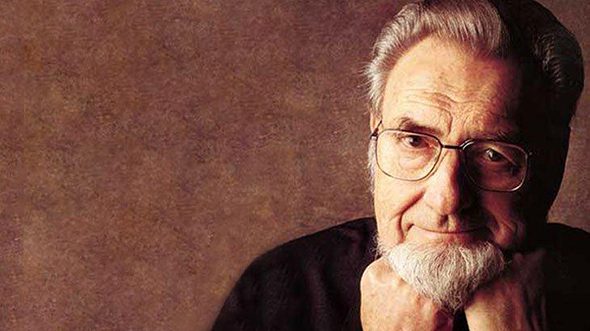
In 1933, Charles went off to pursue his education at Dartmouth College, thanks to a football scholarship. However, later, because of the sport, he suffered an eye injury. He was advised to give up football, as any misstep could mean his dream of becoming a surgeon would remain just that—a dream.
Koop eventually returned to New York. But there, he already applied to medical college and began pursuing his goal. In 1941, he started his internship at a Philadelphia hospital, and the following year, he embarked on his surgical residency. Koop completed his training earlier than scheduled because World War II had begun, creating an incredibly high demand specifically for surgical doctors.
The Post-World War II Years
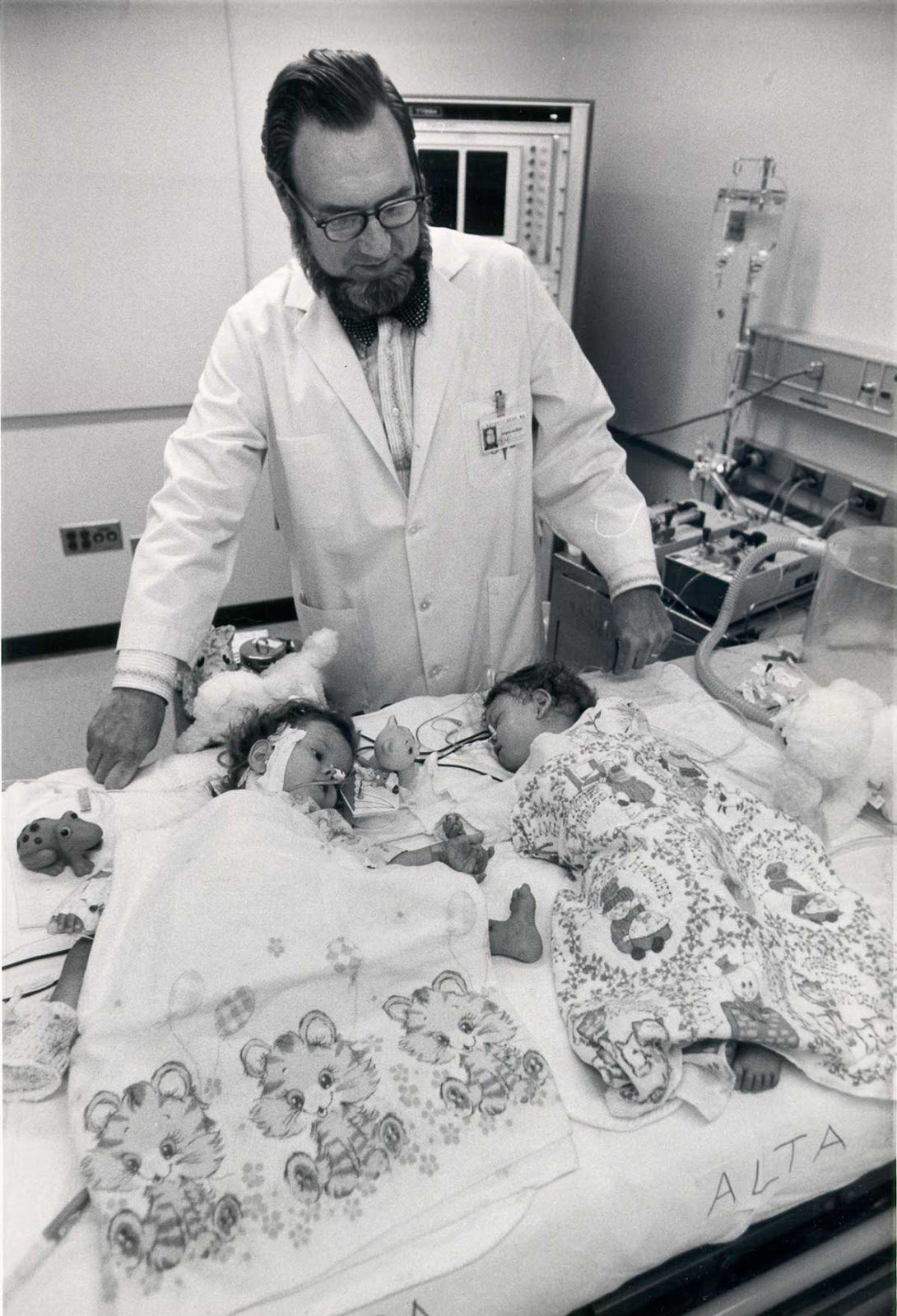
In 1945, Koop received an offer to become the Surgeon-in-Chief at Children’s Hospital of Philadelphia. He was quite stunned, as he was only 29 years old, but the challenge lay in the fact that pediatric surgery had not yet gained recognition as a distinct medical specialty. However, for Koop, this was a challenge he successfully tackled. To do so, he interned with various renowned pediatric doctors.
Later, Charles developed his own methods in this field. His discoveries helped improve surgical care for children. He performed various complex operations to correct birth defects in infants. However, his most significant achievement is considered to be the separation of conjoined twins who were fused at the heart. This made him a renowned surgeon, as such a complex operation was performed for the first time in history.
Koop became deeply concerned about the legalization of abortion. In his view, it impacted moral restraints concerning infanticide and euthanasia. He later succeeded in conveying his perspective to a significant portion of the population.
Recognition and Later Years
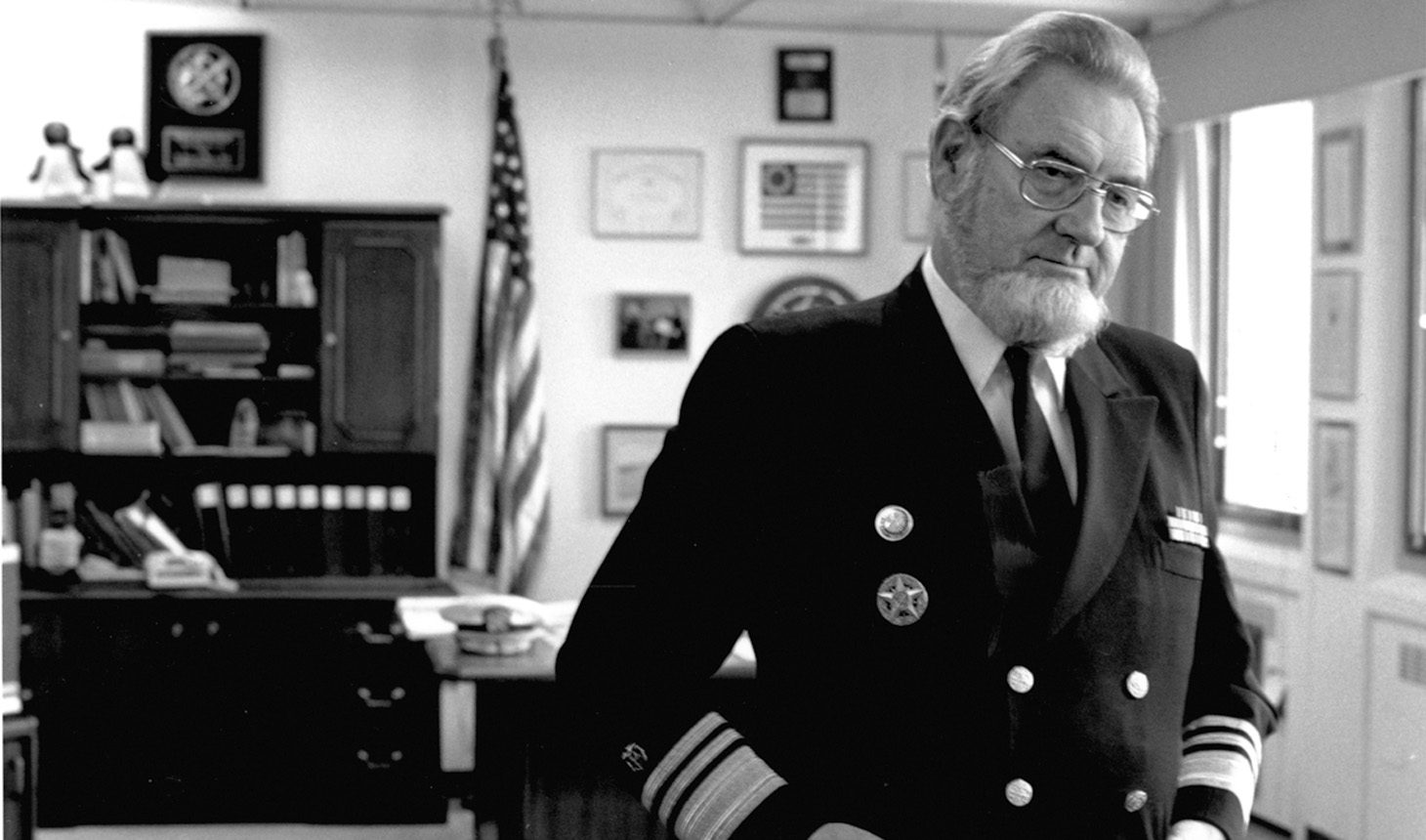
For his work, Koop was recognized as a public figure and a talented physician. He played a crucial role when the country battled the AIDS epidemic. As a doctor, Charles sought to educate people on prevention and protection against the disease. He opposed mandatory testing and quarantine for those infected. Koop tried with all his might to combat discrimination against the sick.
The life of this outstanding surgeon ended on February 25, 2013. But his views and work will live on forever in the hearts of many.