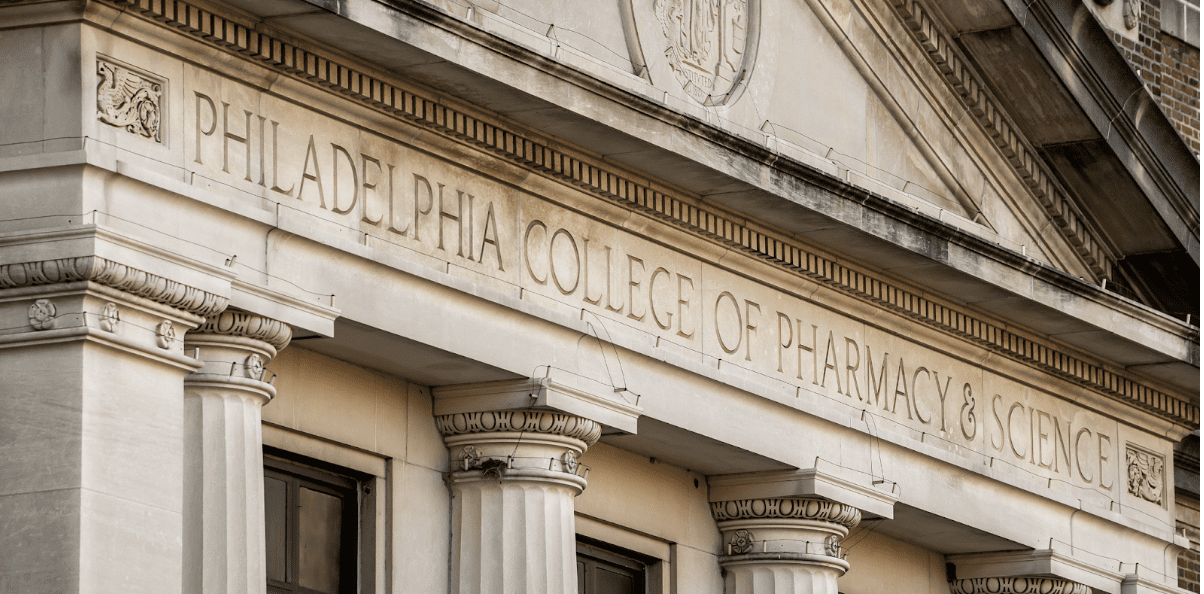

In the 19th century, the Philadelphia College of Pharmacy became the first school of pharmacy in North America. Since then, it has undergone significant development and change, playing a crucial role in shaping the nation’s pharmaceutical industry. Its graduates contributed to drug manufacturing, the creation of pharmacy chains, and the provision of quality medicines to the public. Learn more about the history of this pharmaceutical education institution in this article on iphiladelphia.
Founding the College of Pharmacy
In the early 19th century, Philadelphia, like other U.S. cities, suffered from epidemic outbreaks, poor hygiene standards, and a lack of safe, high-quality medicines. This led to a healthcare crisis and brought about many important changes. One significant development was the founding of the College of Pharmacy and Science in 1821.
The announcement of this event was published in the spring issue of “The Journal of Foreign Medical Science and Literature.” This educational institution became the first center for training pharmacy specialists, and its establishment was spearheaded by local apothecaries. They had an ambitious plan and aimed for pharmacists to receive a quality education and advance drug manufacturing in the country.
It’s worth noting that at the time, there was significant antagonism between pharmacists and doctors. Medical professionals claimed that apothecaries were often ignorant and lacked sufficient qualifications to work with medicines. Professional rivalry was one of the reasons for the college’s creation.
The Philadelphia College of Pharmacy’s curriculum combined the study of chemistry and biology with the study of diseases and new approaches to their treatment. From its inception, the institution adhered to strict standards and provided professional training for obtaining licenses to dispense medications and controlled substances.
Going forward, the curriculum continuously evolved and adapted to new knowledge emerging in medicine and pharmacy. Additionally, the college attracted renowned educators of the time to its teaching staff. John Maisch served as professor and dean, contributing greatly to establishing professional standards for pharmacists. Professor Joseph Remington authored and published a series of classic textbooks that remained relevant for a long time.
Among the college’s graduates were many pioneers of the American pharmaceutical industry and famous pharmacists, for example:
- William Procter founded the American Pharmaceutical Association and worked at the college for three decades; he was later dubbed the “father of American pharmacy.”
- Eli Lilly founded his own pharmaceutical corporation.
- Gerald Rorer created a company that later became part of “Aventis Pharmaceuticals.”
All those aspiring to work professionally in pharmacy began to pursue relevant education. This accelerated the development of the industry and helped ensure the population had access to quality and safe medicines.
The College of Pharmacy in the 20th Century: Growth and Merger
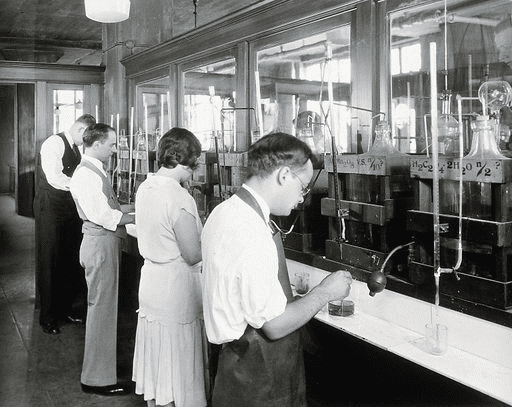
Throughout the 20th century, the College of Pharmacy changed its name several times. It offered constantly updated bachelor’s and master’s programs. Furthermore, faculty members conducted scientific research, made important discoveries, and obtained patents, all of which contributed to the development of the pharmaceutical industry.
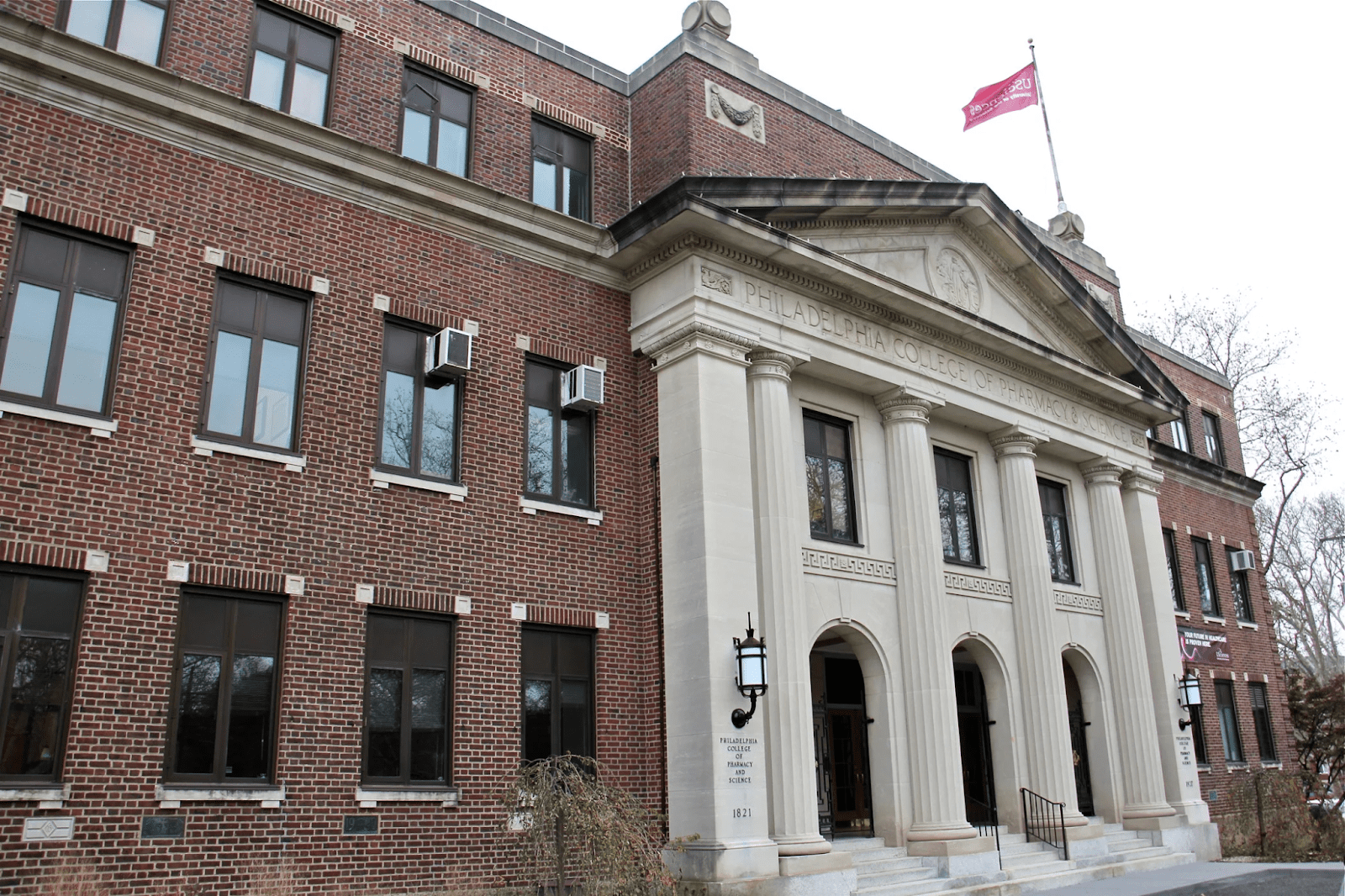
After its founding and for its first century of operation, the college offered four programs to applicants: bacteriology, biology, chemistry, and pharmacy. In 1998, new medical-related educational programs were introduced, and the institution was renamed the University of the Sciences in Philadelphia.
On June 1, 2022, the institution was merged with Saint Joseph’s University in Philadelphia. At that time, it had 2,285 students. Administratively, it was joined with the School of Health Professions, which trains physician assistants, occupational therapists, physical therapists, and now, pharmacists. Saint Joseph’s University was founded in 1851 as a private Jesuit institution of higher education. In the 21st century, it offers 135 undergraduate programs, 77 master’s programs, and 9 programs for adult learners.
The History and Future of Pharmacy
It’s worth noting that even during the years of the separate College of Pharmacy, the Marvin Samson Center for the History of Pharmacy was established. It houses over 8,000 pharmacy and medical artifacts and documents. Here, you can see ceramic apothecary jars, mortars and pestles, and numerous tools that pharmacists once used in pharmacies to prepare medicines.
Also noteworthy is the assembled library with historically important publications on the state and development of the pharmaceutical industry. It contains many unique manuscripts related to U.S. pharmacy from past centuries.
Thus, over many years, the faculty and graduates of the Philadelphia College of Pharmacy shaped the pharmaceutical industry of both the city and the nation. They continue to do so as part of the merged university. After all, modern pharmaceutical practice requires extensive knowledge and skills, and remains a true art.