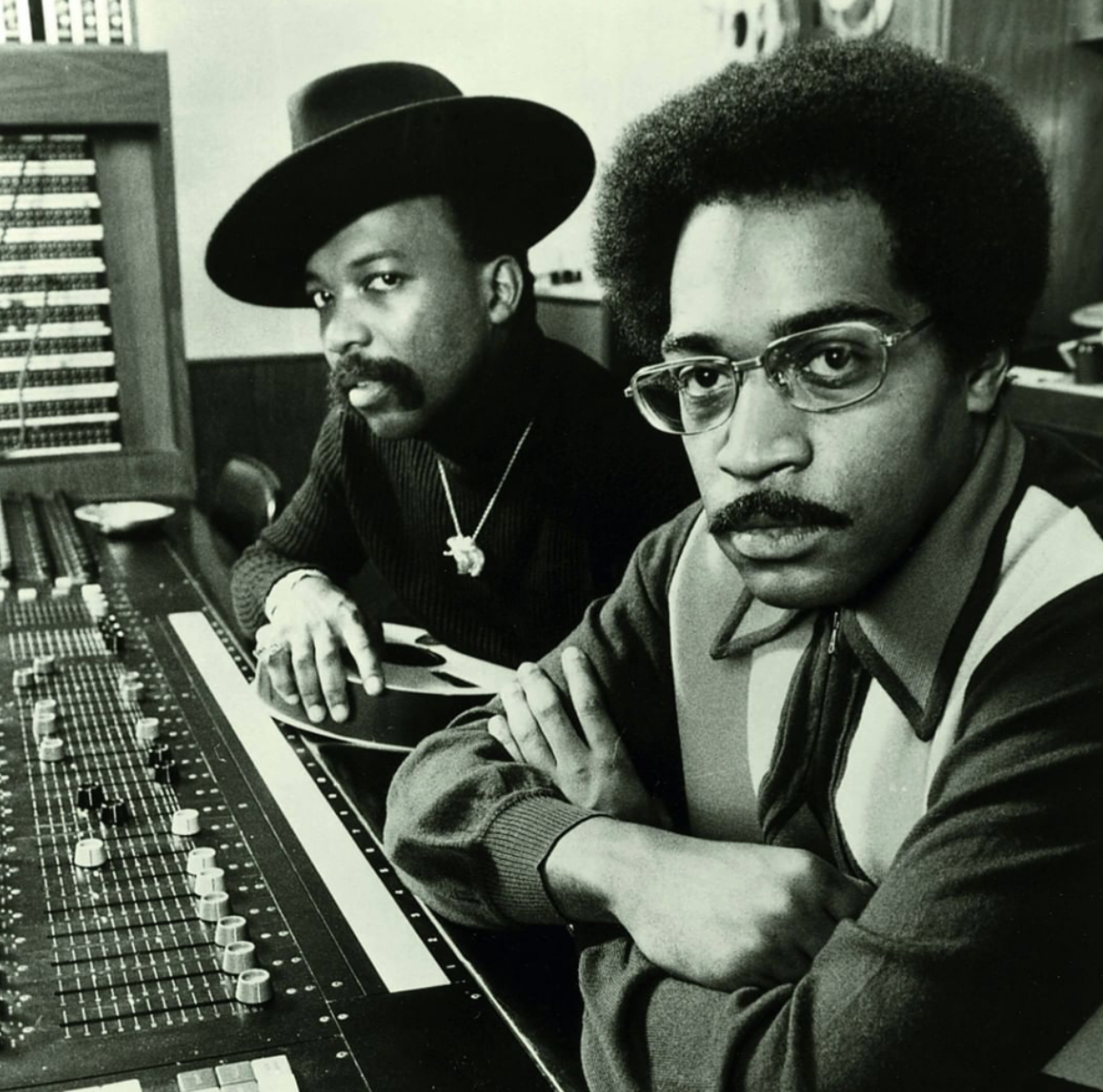

While Detroit’s Motown Records was churning out polished, radio-ready pop and Memphis’s Stax Records was channeling raw, blues-drenched soul, a brand-new musical movement was quietly brewing in early 1970s Philadelphia: the Philly Sound. At the helm of this sonic revolution stood visionary songwriters and producers Kenny Gamble and Leon Huff.
After founding Philadelphia International Records in 1971, Gamble and Huff fused classical orchestration with soaring gospel vocals and an airtight funk groove. The result was a lush, layered sound anchored by sweeping strings, punchy brass, and velvety harmonies—a sonic blueprint that revolutionized 20th-century pop music. Read on at iphiladelphia.net to explore how this movement reshaped the music landscape in America and across the globe.
The Anatomy of TSOP: Strings, Horns, and the Sigma Sound Studios Rhythm Section
Every iconic Philly Sound record—from the smooth elegance of The O’Jays to the anthemic disco beats of The Trammps—came to life under one roof. Philadelphia’s legendary Sigma Sound Studios served as a true sanctuary of audio engineering, blending relentless perfectionism, surgical precision, and bold creative experimentation.
Studio Wizards: The MFSB Orchestra
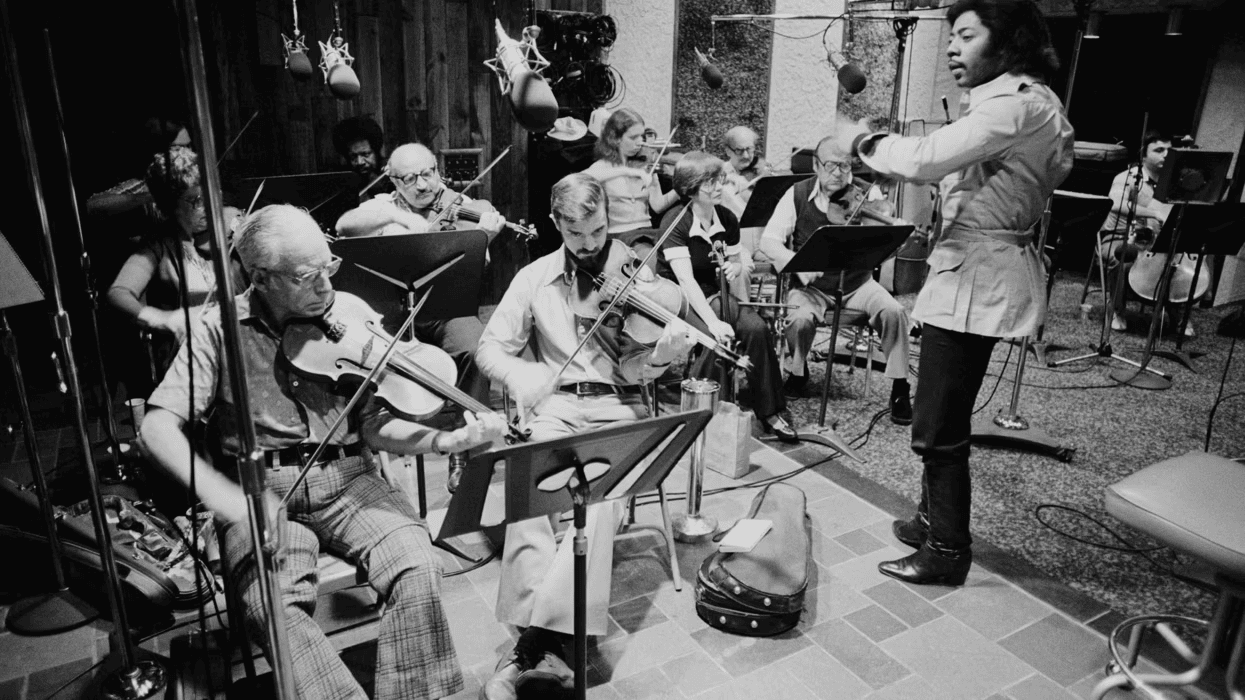
The beating heart of Philadelphia soul was MFSB (Mother Father Sister Brother), a powerhouse house band of more than 30 world-class session players who spent years performing side by side. Guitarist Norman Harris, bassist Ronnie Baker, vibraphonist Vince Montana, and drummer Earl Young forged a distinctive sonic identity. They bridged raw, driving funk rhythms with expansive, multi-tiered orchestral arrangements. Together, they proved that classical violins and delicate flutes could pack just as much punch and grit as an electric bass or lead guitar.
Joe Tarsia’s Audio Engineering Breakthrough
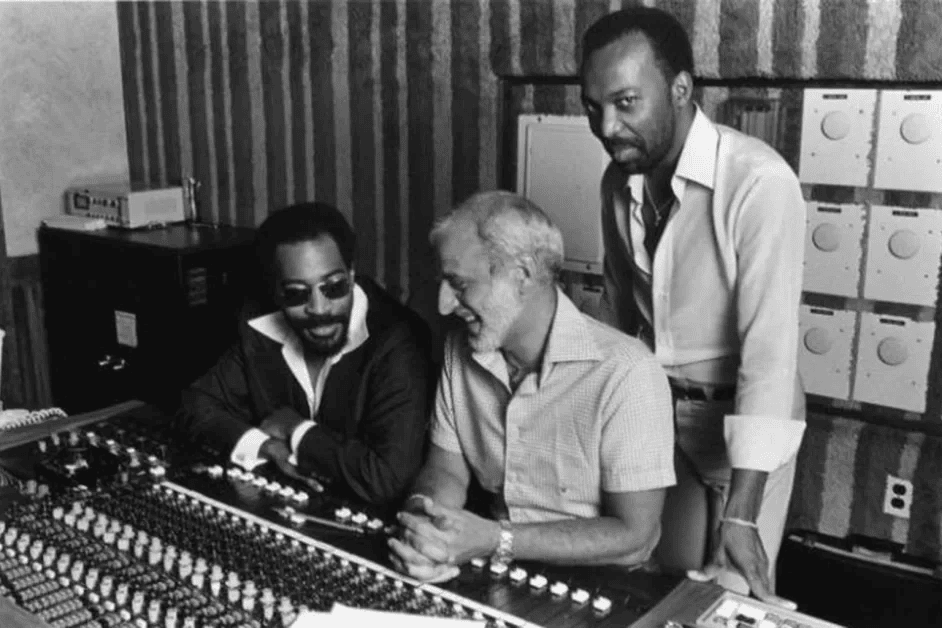
Audio engineer and Sigma Sound Studios founder Joe Tarsia pioneered revolutionary tracking and mixing techniques that redefined modern studio production. By harnessing natural acoustic reverb, custom basement echo chambers, and cutting-edge multitrack tape machines, he eliminated sonic clutter. Every instrument in the orchestra retained pristine clarity, wrapping the listener in an immersive, razor-sharp “wall of sound.”
Key Elements of the Signature Sound
- Silky String Flourishes: Enlisting full string sections straight from the world-renowned Philadelphia Orchestra, arrangers crafted sweeping, dramatic backdrops that gave upbeat dance tracks cinematic depth.
- Swung Sixteenth-Note Hi-Hats: Drummer Earl Young’s syncopated grooves became legendary. His mastery of open-and-closed hi-hats paired with a steady, driving bass drum didn’t just ignite dance floors—it laid down the rhythmic blueprint for disco.
- Gospel-Rooted Vocals: Forged in Black church choirs, soaring male and female vocal harmonies injected raw passion, spiritual power, and authenticity into sleek, polished studio productions.
The synergy of Joe Tarsia’s engineering wizardry, MFSB’s unmatched musicianship, and church-bred vocal power transformed Sigma Sound Studios into an international hit factory. Within these walls, they crafted a refined sonic palette that reshaped 20th-century pop music and set the gold standard for generations of producers.
The Golden Age of Hitmakers: From The O’Jays to Teddy Pendergrass
The catalog of Philadelphia International Records churned out impeccably crafted hits with clockwork precision, routinely topping the Billboard charts and outpacing established soul giants. By pairing socially conscious songwriting with lush arrangements and raw emotion, Philadelphia artists turned a local sound into a global cultural phenomenon.
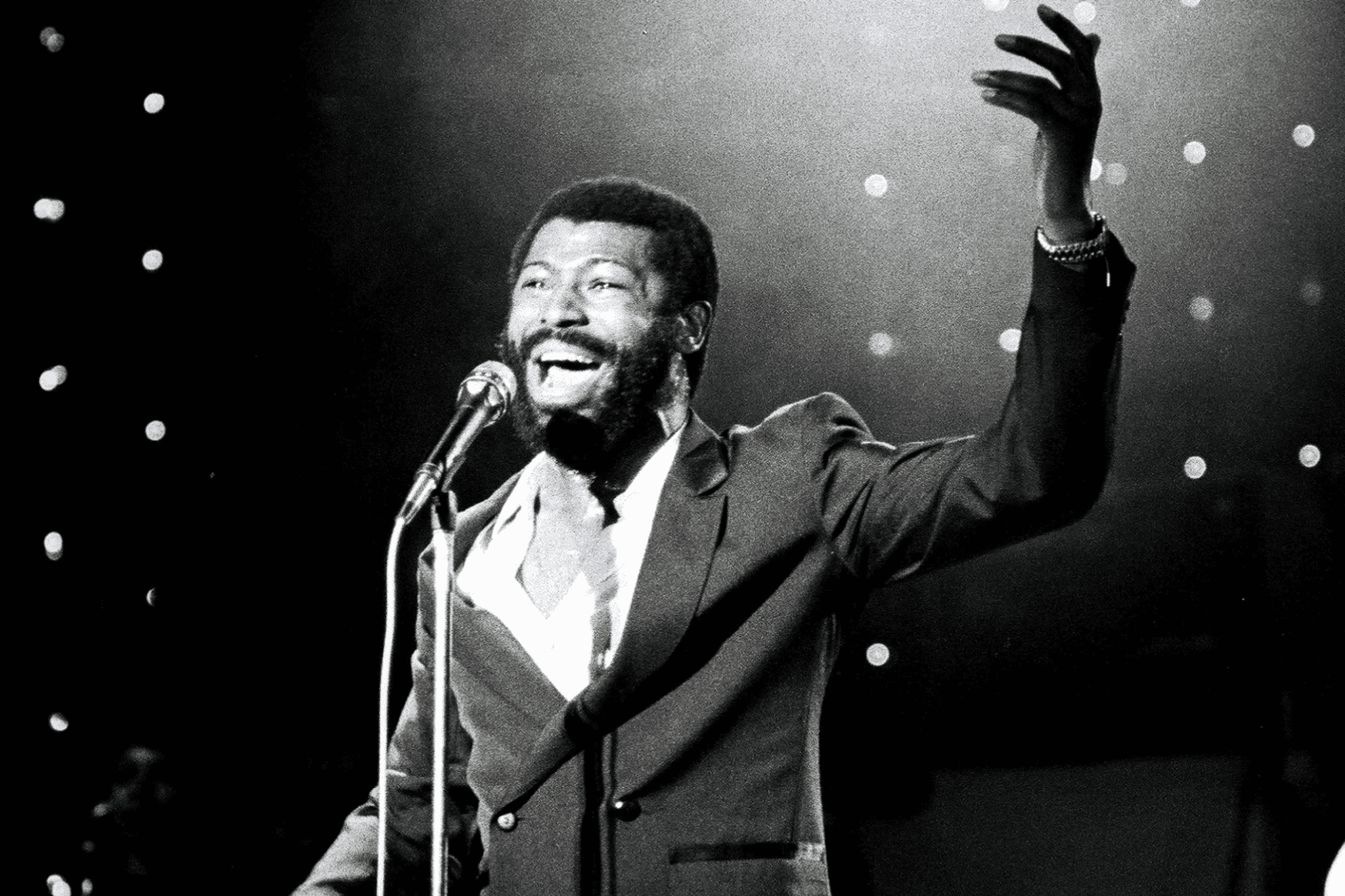
The O’Jays emerged as the definitive vocal force of the era. Timeless anthems like “Love Train,” “For the Love of Money,” and “Back Stabbers” tackled brotherhood, greed, and betrayal atop irresistible, hard-driving dance grooves. Meanwhile, Harold Melvin & the Blue Notes revealed another dimension of the Philly Sound. Powered by the deep, smoldering baritone of Teddy Pendergrass, the group delivered gut-wrenching, emotionally charged ballads like “If You Don’t Know Me by Now” and “The Love I Lost,” cementing their place in music history.
The Star-Studded Roster of Philadelphia International Records
- Billy Paul: Best known for his Grammy-winning ballad “Me and Mrs. Jones,” Paul paired jazzy phrasing with smoldering delivery, turning a story of forbidden romance into an enduring soul masterpiece.
- The Three Degrees: This sophisticated female vocal trio conquered charts on both sides of the Atlantic with their smash single “When Will I See You Again.” Their shimmering three-part harmonies and elegant string arrangements became a hallmark of Philly soul.
- The Spinners: This legendary group teamed up with producer and arranger Thom Bell to define the lush, smooth, and deeply melodic side of ’70s soul-pop.
Philadelphia’s golden era proved that chart-topping commercial success and musical artistry could seamlessly coexist. Gamble, Huff, and their collaborators forged a universal sound that continues to inspire millions of listeners decades later.
From Soul-Funk to Disco: How Philly Lit Up Dance Floors Worldwide
Philadelphia’s musical innovations directly birthed and shaped the global disco boom of the late 1970s. In 1973, MFSB teamed up with The Three Degrees to release the iconic instrumental track The Sound of Philadelphia, which became the official theme song for the legendary TV show Soul Train. The track soared to the top of the charts and propelled the Philly Sound from intimate soul clubs onto dance floors around the world.
The Birth of the Four-on-the-Floor Beat
During these historic Philly sessions, drummer Earl Young pulled off a rhythmic breakthrough. He began laying down a steady bass drum pulse on all four beats of the measure while playing syncopated, sizzling patterns on an open hi-hat. This revolutionary pattern, dubbed “four-on-the-floor,” became the foundational pulse of dance music—shaping early disco and evolving into modern house, techno, and Hi-NRG.
Club Culture and the Rise of the 12-Inch Single
DJs at legendary underground clubs in New York and Philadelphia, like The Gallery and the Paradise Garage, anchored their sets around Philly releases. To cater to this burgeoning nightlife scene, producers began issuing 12-inch vinyl singles featuring extended mixes. With longer instrumental intros, dramatic string breakdowns, and steady pulses, these extended tracks were custom-built for seamless mixing, turning club nights into continuous dance marathons.
Sigma Sound’s Definitive Disco Anthems
- “The Love I Lost” (Harold Melvin & the Blue Notes, 1973): Music critics and cultural historians widely consider this the first true disco record, credited to its upbeat tempo, Earl Young’s driving beat, and an impassioned vocal performance.
- “Armed and Extremely Dangerous” (First Choice): A quintessential proto-disco anthem that paired a driving bass groove with trademark Philadelphia strings and powerhouse female vocals.
- “Disco Inferno” (The Trammps): The ultimate anthem of the disco era and the peak of the genre’s sound. Cut by MFSB at Sigma Sound, it captured a benchmark groove that remains ingrained in global pop culture.
Philadelphia didn’t just create a new musical genre—it gave the world a universal language of dance. By marrying funky rhythm sections with orchestral sophistication and cutting-edge engineering, the Philly Sound bridged classic soul and modern electronic dance music, permanently transforming urban nightlife.
The Philly Legacy in Modern R&B, Hip-Hop, and Pop
The impact of the Philly Sound reaches far beyond the 1970s. Rather than fading into history, Philadelphia soul became the blueprint for contemporary R&B, hip-hop, neo-soul, and modern dance music. The aesthetic born at Sigma Sound Studios married orchestral polish with street-level groove, establishing a universal sonic foundation for future generations of producers and superstars.
That studio magic drew in pop and rock icons eager to reinvent themselves. In 1974, captivated by Philly’s brand of soul, David Bowie headed to Sigma Sound Studios to record his seminal album Young Americans alongside local players. Over the following decades, superstars like Michael Jackson, George Michael, and Justin Timberlake routinely drew on Philly’s layered string arrangements and grooves to power their biggest solo albums and world tours.
The Social Message Behind the Philly Sound
Beyond its sonic brilliance, the Philly Sound stood out for its lyrical substance. Kenny Gamble and Leon Huff viewed music as a vehicle for social change. Writing against the backdrop of the Civil Rights movement and its aftermath, they penned songs about human dignity, unity, poverty, and peace.
Anthems like Message in Our Music, Wake Up Everybody, and Love Train called for mutual support and tearing down racial divides. The Philly Sound proved that danceable pop music could be sophisticated, socially conscious, commercially viable, and deeply spiritual all at once. This rare balance elevated Philadelphia’s musical legacy into timeless art.
The Philly Sound in the 21st Century
- Hip-Hop Sampling: The Gamble & Huff vault became fertile ground for hip-hop’s greatest architects. Visionaries like Kanye West, Jay-Z, Dr. Dre, and J Dilla built hundreds of classic tracks by flipping silky string loops, bass grooves, and vocal hooks sampled from the Philadelphia International Records catalog.
- The Neo-Soul Renaissance (1990s–2000s): The neo-soul movement found its epicenter in Philadelphia, directly inspired by the city’s ’70s studio heritage. Trailblazers like Erykah Badu, D’Angelo, Jill Scott, and The Roots brought organic musicianship, warm analog production, and gospel-rooted emotion back into an increasingly digital world.
- French House and Electronic Dance Music: Electronic pioneers, including Daft Punk and Cassius, turned Philly’s signature orchestral flourishes and driving basslines into the bedrock of the “French Touch” sound, giving ’70s symphonic soul a second life on 21st-century festival stages.
The Philly Sound has stood the test of time. Crafted inside a modest Philadelphia studio, its winning formula—cutting-edge engineering, symphonic elegance, and relentless dance grooves—remains an enduring touchstone for the music industry worldwide.