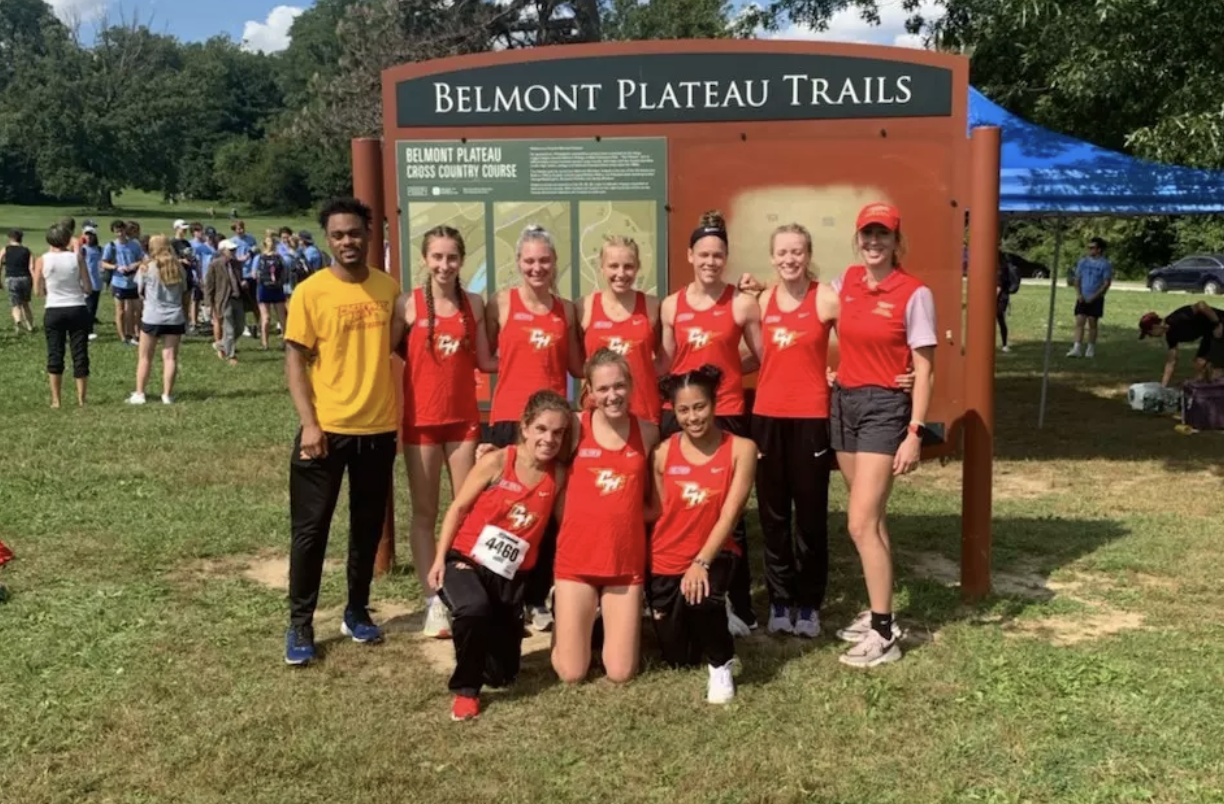

In the heart of Philadelphia lies a place where sport strips away all glamour, reducing competition to an elemental test of will. Here, expensive gear and pacing splits on a smartwatch offer no refuge. The quiet wooded hills demand total, uncompromising honesty from every runner.
For some, this course delivers a brutal first lesson in athletic humility; for others, it serves as a springboard to national glory and Olympic dreams. Welcome to Belmont Plateau—the legendary proving ground where rhythms have unraveled and champions have been forged for decades. Read on at iphiladelphia.net as we explore the lore of this iconic trail.
Anatomy of an Iconic Course: Where Rhythm Breaks
The course at Belmont Plateau is far more than a race route; it is a gripping physical and psychological thriller that has shattered the ambitions of countless runners. Its unforgiving terrain pardons no tactical miscalculations. Whether competitors take on high school 3k and 5k races or the grueling collegiate 8k and 10k showdowns sanctioned by the National Collegiate Athletic Association (NCAA), Belmont Plateau relentlessly tests every athlete’s mettle with a signature gauntlet of natural and engineered hazards.
The Starting Meadow and Flagpole Hill
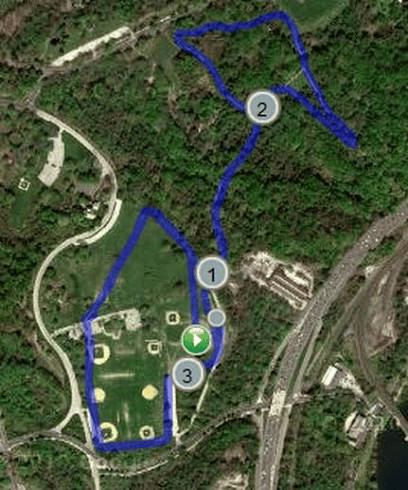
The battle kicks off across an expansive, sun-drenched plateau. The opening hundred meters provide a deceptive sense of ease: blazing early splits, an exhilarating rush of open air, and the roar of the crowd. Yet that initial high evaporates quickly at Flagpole Hill. Here, the wide-open expanse constricts abruptly, forcing the charging pack to jockey aggressively for position before funneling into the narrow, shadowed entrance of the woods.
Parachute Hill
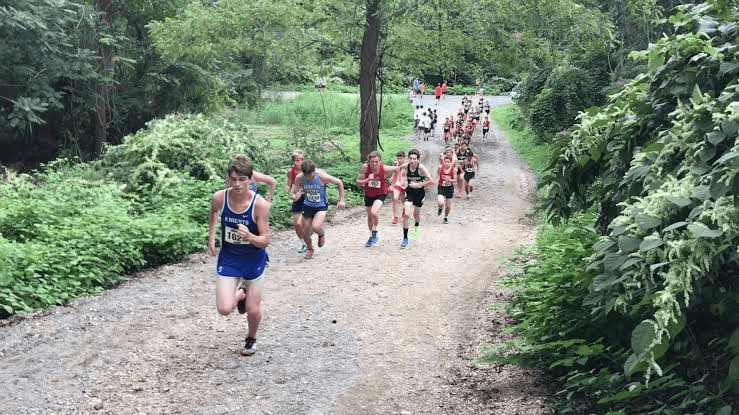
This is the most notorious, defining segment of the course—the spot where casual racing ends and an exhausting war of attrition begins. Parachute Hill is a relentless, steep climb tucked deep within the forest canopy. It is here that the day’s real drama unfolds. Runners lured into an aggressive opening pace burn through their final glycogen reserves on this brutal grade, transforming overnight favorites into easy prey for patient, tactical competitors.
Suicide Hill and Dark Road
For premier collegiate competitions, race organizers save a crucible guaranteed to unsettle even battle-tested distance runners. The menacingly named Suicide Hill and the rugged dirt stretch of Dark Road demand not just lung-busting endurance, but pinpoint footwork. Knotted tree roots buried beneath leaf litter, slick rocks, and mud churned up by autumn storms make every single stride a perilous dance between a personal record and a race-ending injury.
| Course Section | Primary Challenge | Tactical Impact |
| Starting Plateau | Strong headwinds and deceptive early euphoria | Risk of premature burnout from an overly aggressive opening pace |
| Parachute Hill | Steep, prolonged ascent with a punishing grade | Severe test of anaerobic threshold and mental fortitude at the race’s midpoint |
| Wooded Trails | Hidden roots, jagged rocks, and sudden bottlenecks | Demands laser focus and complete control over every footstrike |
| Final Stretch | Exposed, grueling climb returning to the plateau | Decisive finishing kick on depleted reserves and sheer willpower |
Historic Significance and Running Heritage: Sacred Ground of American Cross-Country
Since its earliest days, these rolling hills have shaped generations of running royalty. In the early 1960s, legendary coach Dave Thomas and fellow enthusiasts carved out and marked the course’s first official layout by hand. From that moment on, Belmont Plateau became the undisputed cross-country hub for scholastic and collegiate programs across the East Coast. It swiftly earned legendary status as the proving ground where the nation’s finest distance runners honed their grit.
A Proven Arena for Regional and National Championships
For decades, Belmont Plateau has staged high-stakes championship showdowns: from the fierce, storied rivalries of the Catholic and Public Leagues in Philadelphia to premier collegiate championships across NCAA divisions. Scraping for seconds along these hills has long been an essential rite of passage for every elite runner in the Mid-Atlantic.
The Belmont Plateau Hall of Fame
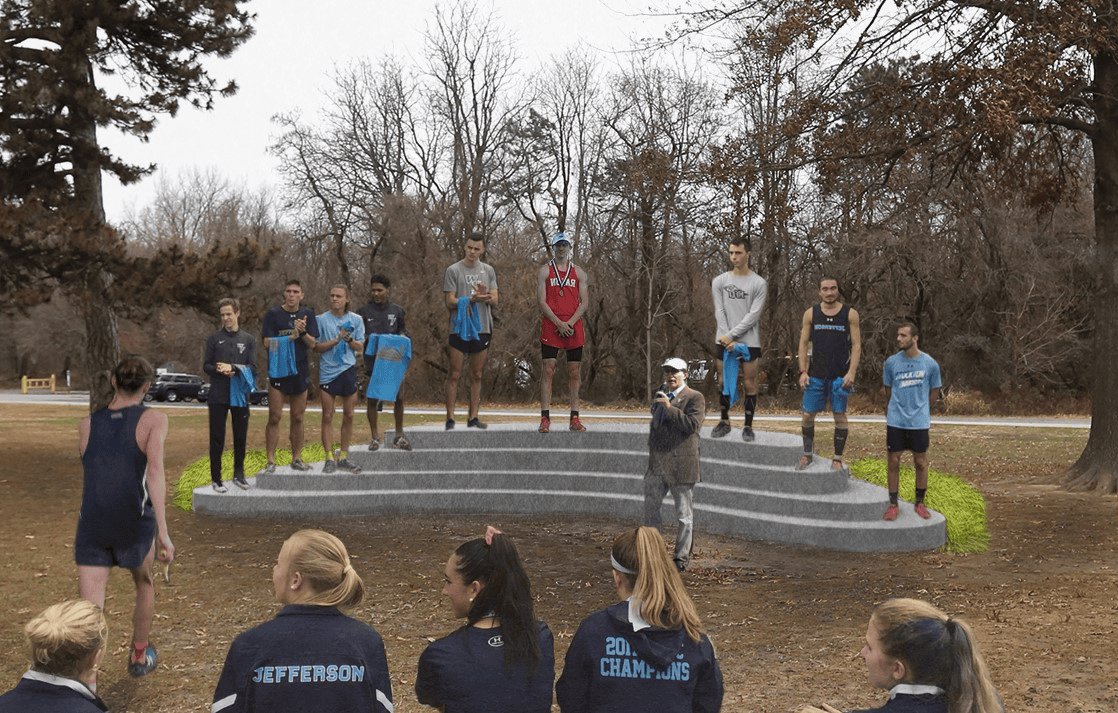
To safeguard the venue’s rich, hard-fought legacy, the Belmont Plateau Hall of Fame committee meticulously documents the history of every landmark race. The organization honors course record-holders, all-time greats, and dedicated coaches whose squads claimed victory through sheer determination and masterclass race tactics.
A Cradle for Future Olympians
The slopes of Belmont Plateau have served as a crucible for championship racing, sharpening future Olympians, world championship competitors, and U.S. national team standouts. The punishing terrain and cutthroat competition taught them an invaluable truth: never let up where others falter. Every tough setback suffered on these hills became building blocks for future triumphs on the global stage.
The Philadelphia Skyline: A Reward for Exhaustion
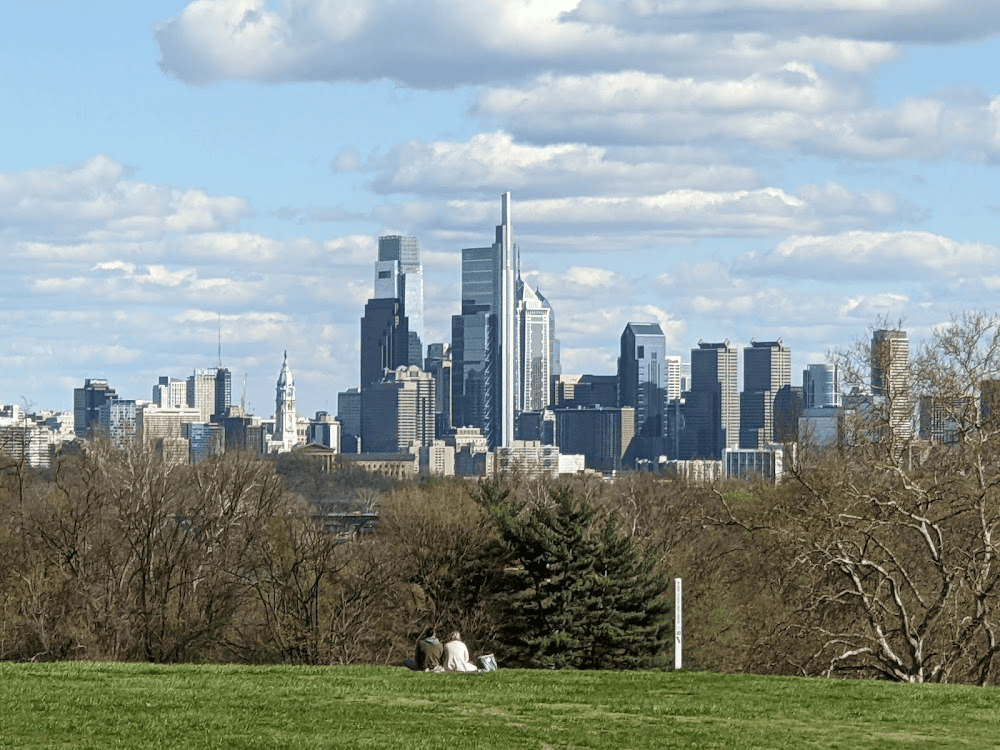
The defining visual hallmark of Belmont Plateau lies in its striking contrast between punishing physical torment and an inspiring vista that reveals itself at the absolute limit of exertion. As gasping runners crest the final climb and burst from the tree line onto the finishing straightaway, they are met with a breathtaking view: the gleaming skyline of Center City Philadelphia towering on the horizon like a glistening trophy.
- An aesthetic reward for suffering. The sudden shift from tight, grueling singletrack to a sweeping panorama over the city delivers an immediate psychological lift. The glass skyscrapers serve not only as a target for a desperate final kick, but as a fitting reward for every drop of sweat left on the hills.
- Pennsylvania’s ultimate running landmark. This seamless blend of raw, natural trails, urban contrast, and over six decades of athletic heritage makes Belmont Plateau the undisputed mecca of Pennsylvania cross-country—a singular experience no synthetic track or manicured stadium could ever replicate.
The Essence of Belmont Plateau
In examining what makes this venue so enduring, one truth stands out: Belmont Plateau is far more than a scenic city park or convenient meet venue. It is a rare athletic-urban ecosystem that helped define the very ethos of American cross-country.
Its enduring reputation rests upon three pillars:
- Uncompromising topography. You cannot bluff your way through Belmont or rely purely on natural athleticism. The Plateau demands a total runner: one armed with strategic discipline, tactical adaptability, and iron willpower.
- A living bridge across generations. It connects eras directly: high schoolers and collegiate athletes today tackle the exact same climbs and rocky descents that shaped Olympians and Hall of Famers decades before them.
- Unmatched course drama. The sharp juxtaposition between raw woodland climbs and a panoramic sprint toward a wall of glass skyscrapers creates high drama that no man-made course on earth can match.
Belmont Plateau has permanently etched itself into sports lore as the place that mirrors Philadelphia’s quintessential character—tough, unrelenting, and driven toward the summit.