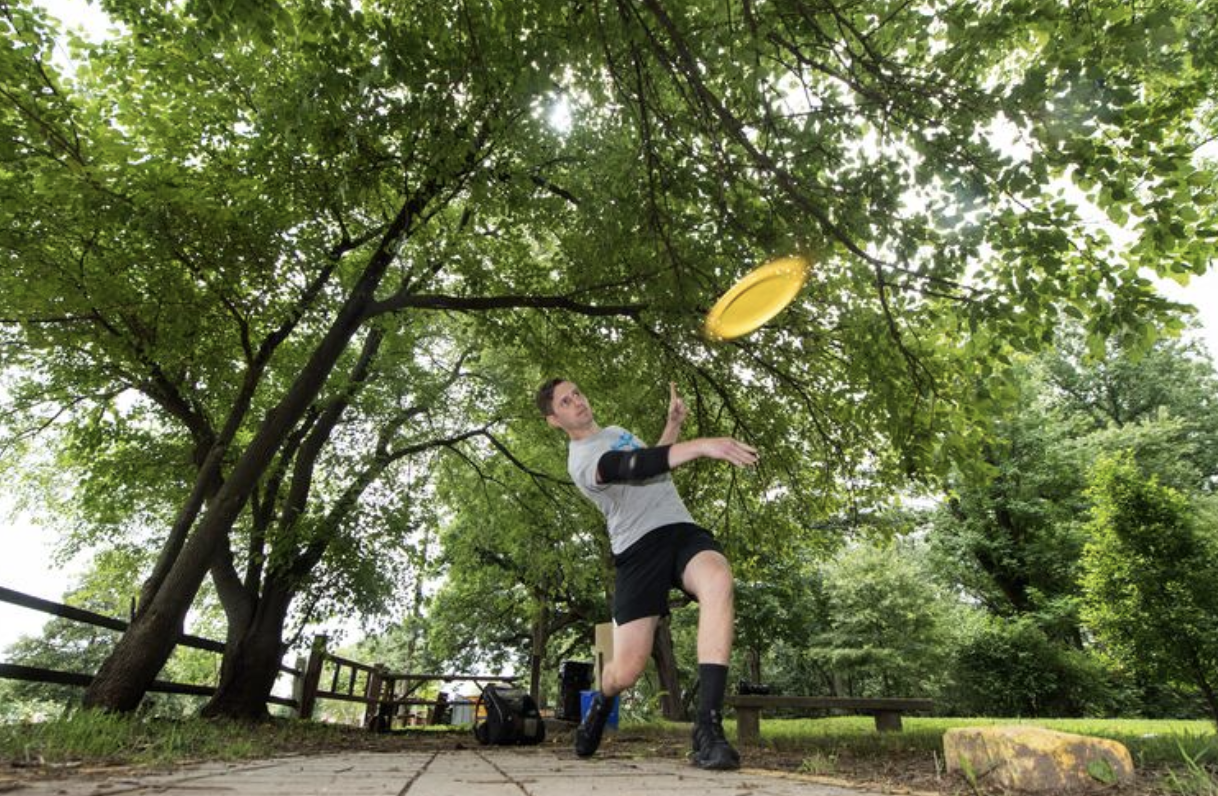

In the shade of century-old oaks in East Fairmount Park lies a place that once sparked a quiet yet monumental revolution in American grassroots sports. To the casual passerby, it looks like just another scenic woodland tract. But for thousands of athletes and fans worldwide, it is a revered sanctuary: the very place where a brand-new sporting subculture was born in the late 1970s.
At a time when most emerging sports demanded multi-million-dollar investments, lavish infrastructure, and major corporate backing, Philadelphia forged an entirely independent path. The birth of this local sporting legend became a manifesto of grassroots freedom, passion, and community pride. Sedgley Woods is far more than just another dot on the municipal recreation map; it is a groundbreaking urban experiment. It proved that authentic sporting traditions are not born in bureaucratic offices, but where pioneering drive meets the power of self-organization. Read more about how this spontaneous experiment laid the global groundwork for the frisbee community at iphiladelphia.net.
The Origins: From Park Experiments to a Living Legend
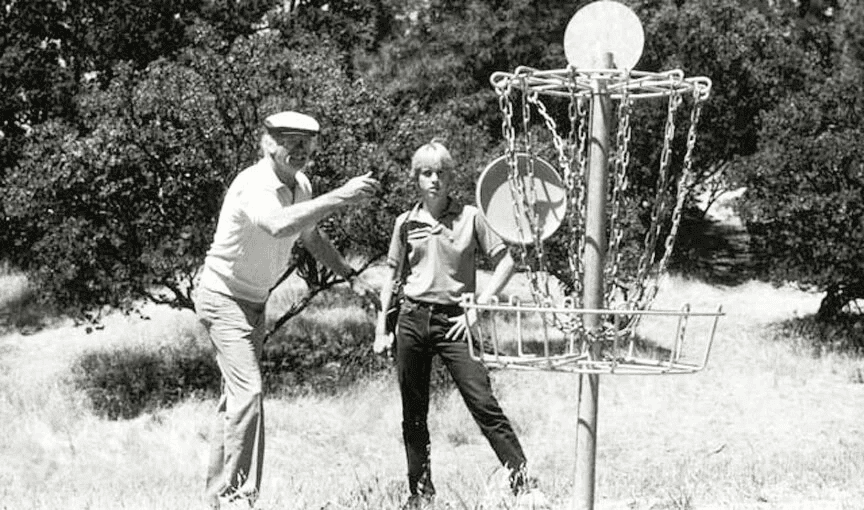
The official history of disc golf as a recognized sport took off in the mid-1970s. That was when visionary inventor Ed Headrick, known throughout the sporting world as “Steady Ed,” achieved a major technological breakthrough. He patented the iconic all-metal basket design with hanging chains to arrest the disc’s momentum and established the Disc Golf Association. This pivotal step permanently elevated casual frisbee throwing from a backyard pastime into a legitimate, regulated competitive discipline.
Philadelphia caught this innovative wave immediately, securing its place in the global sports hall of fame.
- The fourth course in world history. The legendary Sedgley Woods became only the fourth permanent course with pole hole baskets installed anywhere in the world and the second on the entire East Coast of the United States, second in age only to the pioneering California layout in Pasadena.
- Pioneering energy and self-reliance. The course did not wait around for multi-million-dollar grants or municipal subsidies. It was launched by a tight-knit community of Philadelphia frisbee enthusiasts. Hands-on, step by step, they cleared the rugged terrain and carved out the first eighteen holes within Fairmount Park’s dense forest, driven purely by passion and faith in the future of the sport.
Today, the course is far more than just a sporting venue; it is an open-air museum. It preserves the authentic spirit of those daring 1970s experiments and remains an iconic pilgrimage destination for disc golfers from all corners of the globe.
Course Architecture: A Technical Test in the Heart of Fairmount Park
Unlike many modern commercial courses set across sprawling, manicured former country clubs, Sedgley Woods is famous for its punishing wooded terrain and uncompromising technical difficulty. Here, nature’s raw geometry is your primary challenger, turning every throw into a precision engineering test.
Wooded Fairways, Ancient Giants, and Colonial Ruins
- Eighteen plus nine: the evolution of a forest labyrinth. The playing grounds eventually expanded from the original eighteen to twenty-seven unique holes. Narrow, surgically tight fairways framed by mature oaks and tulip poplars demand not raw power or record-setting distance, but pinpoint precision, clean release angles, and the ability to shape lines through tight windows.
- Colonial history by “The Cliffs.” The course is uniquely woven into Philadelphia’s historic fabric. Right beside the twelfth hole stand the striking ruins of “The Cliffs,” a colonial country estate built in 1753. Shaping a disc flight around 18th-century stone masonry is an experience unlike anything else on the planet.
This rare symbiosis of wild parkland and rich historical heritage turns every round into an intellectual battle. The course proves that true disc golf mastery is built where finesse and discipline prevail over sheer physical strength.
The Community Phenomenon: Friends of Sedgley Woods and Grassroots Culture
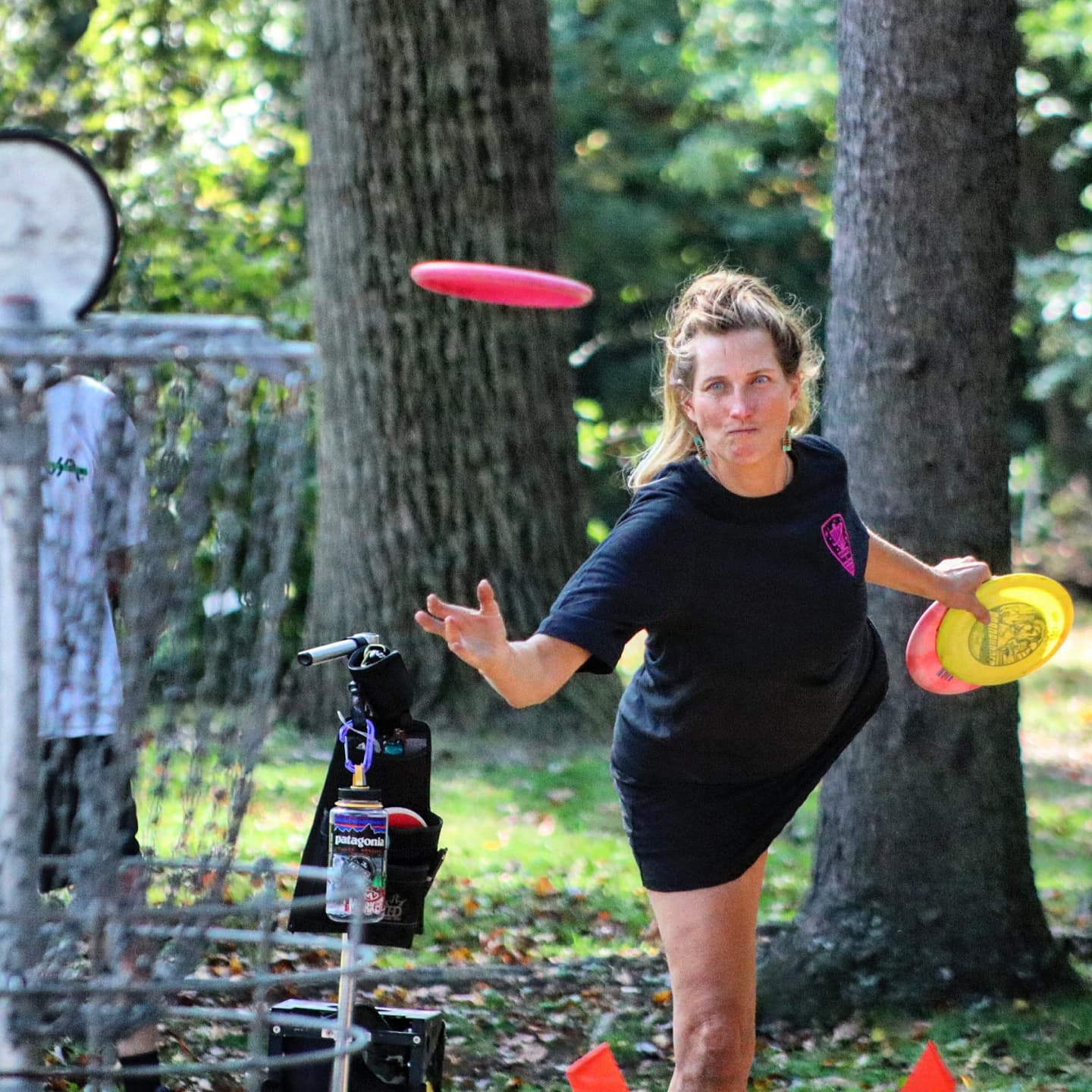
The true secret behind the course’s longevity, magnetic atmosphere, and enduring success lies in its volunteer-run stewardship model. While most sports facilities depend on municipal budgets or commercial operators, this wooded course thrives entirely on the dedication of the players themselves.
A Democratic Sport and Premier Tournaments
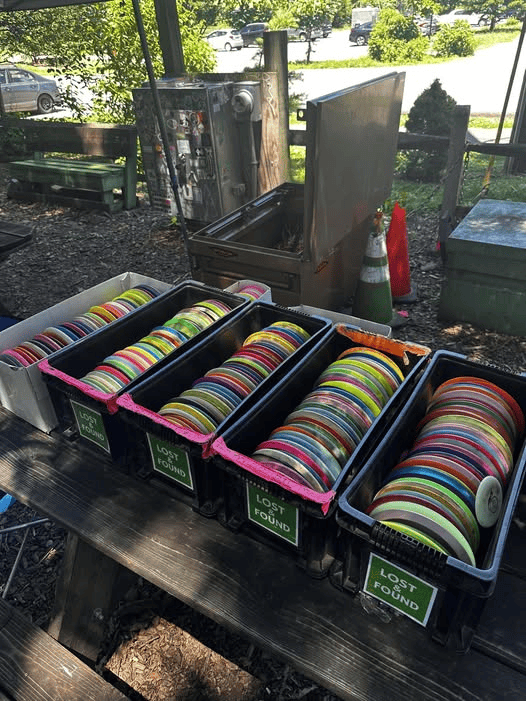
- Volunteer stewardship and self-governance. The grounds are managed and maintained by the nonprofit organization Friends of Sedgley Woods. From mowing fairways and clearing forest paths to pouring new concrete tee pads, local amateurs and seasoned pros handle all the work during regular community workdays.
- Unrestricted access 365 days a year. Sedgley Woods remains completely free to play every day of the week, year-round. This approach has turned disc golf in Philadelphia into a genuinely democratic sport, welcoming anyone regardless of age or income.
- A hub for pros and newcomers alike. Every year, intense competition unfolds here during the prestigious Philadelphia Open, while weekly local league nights draw hundreds of disc golfers from across the nation, reinforcing its status as one of the country’s essential disc golf capitals.
Philadelphia’s story demonstrates that legendary sports institutions aren’t built on big budgets, but on community strength. That steadfast volunteer spirit elevates this course far beyond a standard park layout—it remains the beating heart of American disc golf.
The Enduring Legacy of American Disc Golf
Time has shown that disc golf was neither a passing 1970s fad nor a casual weekend diversion. Sedgley Woods provided the first compelling blueprint for how an emerging sport can integrate gracefully, sustainably, and effectively into the urban fabric—transforming neglected or rugged parkland into thriving centers for active, healthy living.
- A blueprint for thousands of courses worldwide. Through Sedgley Woods, urban planners and course designers around the globe realized that full 18- and 27-hole courses could be developed without clear-cutting forests, deploying heavy machinery, or spending millions of dollars. This Philadelphia pioneer served as a living model for thousands of disc golf courses later built across North America, Europe, and Asia.
- Sporting heritage and multi-generational ties. Over nearly half a century of continuous play, the course has nurtured generations of champions, professional course designers, and sport ambassadors. It proved that with thoughtful volunteer stewardship, a grassroots initiative can outlast decades, economic downturns, and shifting cultural eras.
Sedgley Woods is not just the oldest active course on the East Coast; it is the cradle of American disc golf culture. The Philadelphia experiment delivered an enduring formula: respect for the natural landscape, open access for all, and an empowered community can build a sporting legacy that thrives and inspires for generations.