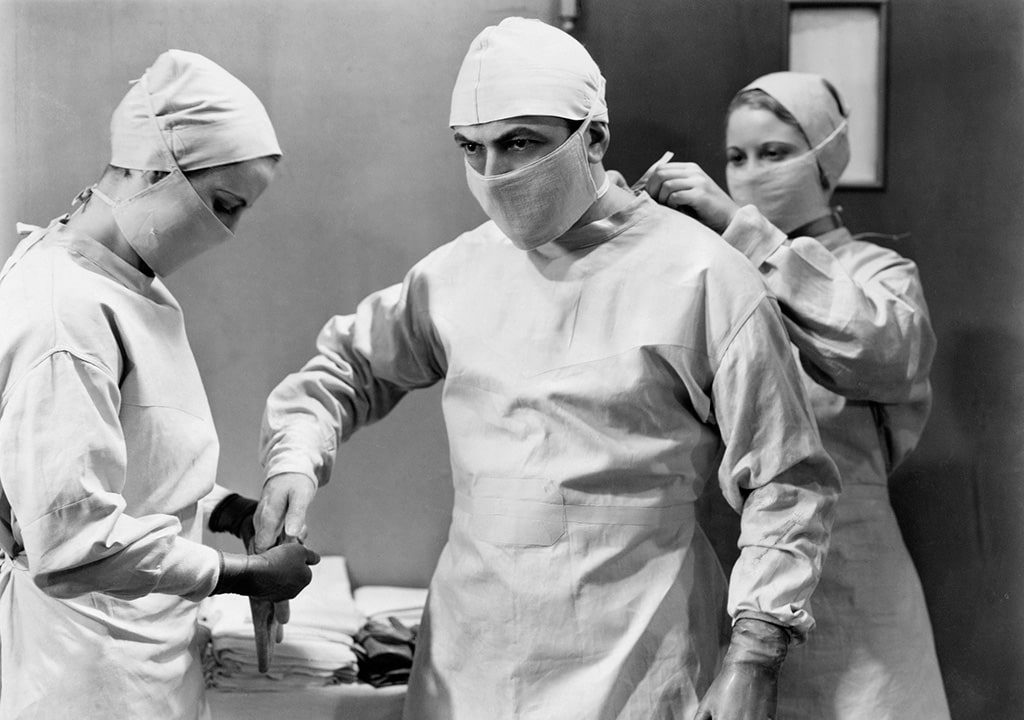

McClellan became well-known for his contributions to medicine, specifically surgery. He was responsible for the establishment of the renowned Jefferson Medical College, from which professionals in the field graduate. His surgical works were unlike any seen before, thus they were given a groundbreaking title. Find out more at iphiladelphia.
Life and ancestors
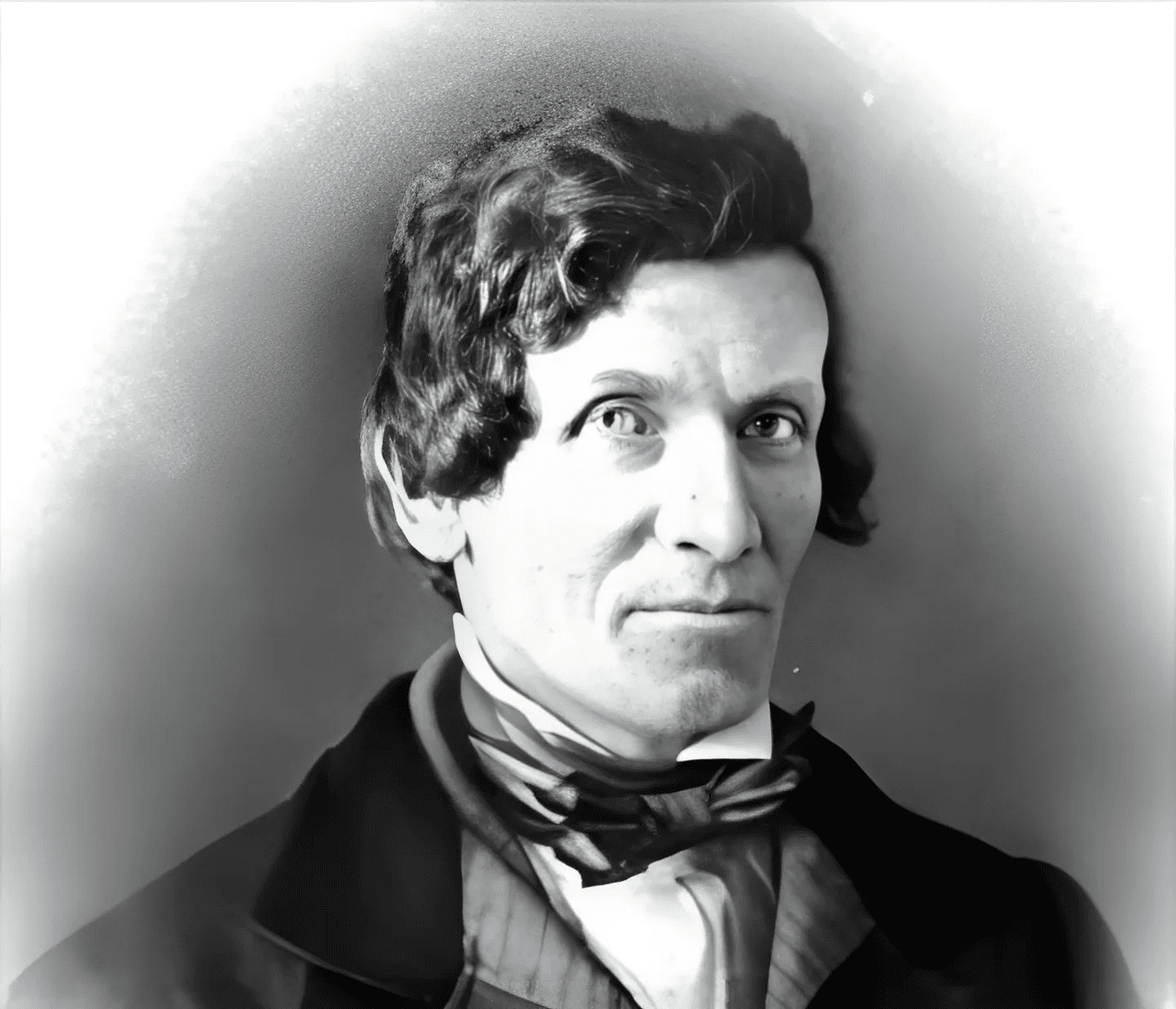
The future medical specialist was born on December 22, 1796. He rose to prominence as a resident of Philadelphia, but his birthplace was Woodstock, Connecticut.
George came from both Scottish and English ancestors. His great-grandfather even participated in the Battle of Culloden. However, he eventually packed his belongings and relocated to Worcester, Massachusetts.
Almost all of his ancestors took part in wars, like his grandfather did. During the American Revolution, he rose to the rank of brigadier general.
George, like everyone else, had advantages and disadvantages, some of which helped him with his studies. Since childhood, the man had an exceptional memory for names and faces. At any moment, he could recognize each of his students, despite having only seen them once in his life. This skill was undoubtedly advantageous, as surgeons have to remember a large amount of information.
However, not everyone liked George due to his negative side of character. Not everyone could understand his fast and incomprehensible speech. His communication style conveyed the sense that he looked down on others. The surgeon frequently irritated people, especially those in positions of authority. However, the majority of his environment recognized this flaw and saw it as part of his personality as a surgeon.
Building a career as a surgeon
As a 16-year-old, George made a big decision. He decided to enroll at Yale University. There, the young man successfully mastered the basics of mathematics before moving on to more comprehensive studies. While receiving education, George was even able to write and publish articles on natural science. His work and opinions were available for anybody to read in the American Journal of Science.
Soon, only two years later, in 1815, the future surgeon obtained a bachelor’s degree upon successfully completing the course of study. During his training, he had already contemplated his future career path. As a result, following graduation, he began to pursue a career in medicine.
George’s ambitions led him to New Haven College. There, he started studying various aspects of medicine under a surgical professor. At this medical school, he spent a year trying to acquire as much knowledge as possible. In 1817, he moved to Philadelphia. The sudden change of location was connected to the fact that George was keen to attend medical lectures at the University of Pennsylvania. His thirst for knowledge led him to John Syng Dorsey, to whom the young man became an apprentice. Thanks to his perseverance and the work of all his teachers, McClellan earned his Doctor of Medicine degree in 1819.
Founder, professor and surgeon
Many people had the notion to start the first medical school around the early 1820s. Unfortunately, none of them managed to realize it. George McClellan was the first person to finish the job. Considering the failures of his colleagues, he suggested that it might be better to try to integrate the current Philadelphia institutions rather than build an entirely new one.
In 1824, George filed a request to hear his motion. He sought to merge the new medical school with Jefferson College. So, a year later, the surgeon received the long-awaited response. McClellan was given permission to create such a school, but many people believed it would be another failure because there was already one medical institution. However, George had a different point of view. He believed that the establishment of another medical school in Philadelphia would result in a large influx of people desiring to pursue a medical education.
The institution first welcomed students in 1826. The first year, there were 360 applicants, which was a considerable number. The surgeon began lecturing in college and enjoyed it, although it was not his first experience in teaching. Also, his soul was warmed by the idea that thanks to his institution, the country would receive more specialists in the field. However, the majority of McClellan’s colleagues believed that the school would not remain functional for long. But they were wrong. However, George’s future at this institution was not bright, as the medical institution ceased to be a part of Jefferson College in 1838. This resulted in the discharge of all employees, including McClellan himself.
However, the surgeon did not limit himself to just one medical school. He then established the Medical Department at Pennsylvania College, where he also lectured. However, he resigned, and the institution was subsequently closed.
McClellan saw firsthand how hard it is to become proficient in the medical field, which is why he worked to improve medical education. Additionally, he was a qualified surgeon. The man was the first who was not afraid to perform the lens removal operation. On his account, there were numerous complex operations that he completed without hesitation. Some thought he was rude and emotionless, but his close colleagues knew he cared for each of his patients as if they were close.
McClellan passed away quite early, most likely due to extreme stress. The man died as a result of acute blood loss caused by an ulcer on May 9, 1847. George was buried in Philadelphia, the city where he saved hundreds of lives.