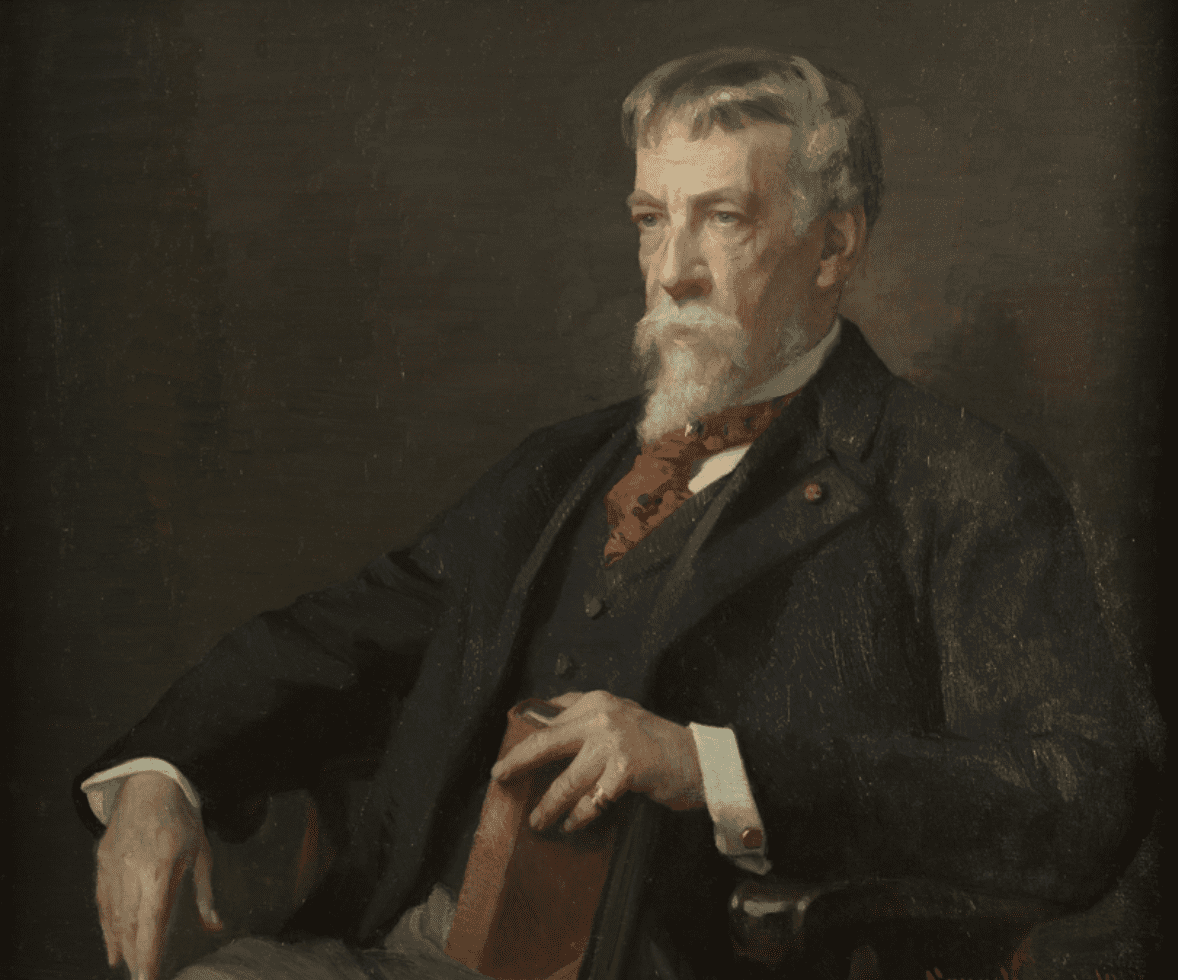

Silas Weir Mitchell was an exceptional person, renowned not just for his work as a physician and researcher but also for his writing skills. Often referred to as the father of modern neurology, he meticulously detailed various pain syndromes and was the first to suggest bed rest as a method of recovery. His peers viewed him as a genius and his innovative ideas significantly influenced Freud. Learn more about this distinguished physician from Philadelphia at iphiladelphia.
His formative years and medical career
Born in Philadelphia on February 15, 1829, Silas Weir Mitchell was the son of physician and writer John Kearsley Mitchell and Sarah Henry. From an early age, the boy was fascinated by the world of medicine, inspired by his father’s career and eventually decided to devote his life to this domain.
The young man attended the University of Pennsylvania (PENN) and earned his Doctor of Medicine degree from Jefferson Medical College in 1850.
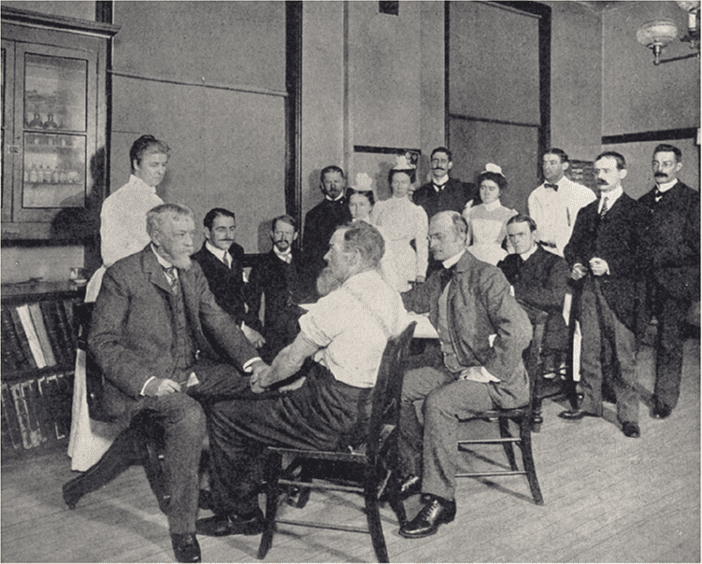
Throughout the Civil War, he assumed the position of director of a local hospital’s nerve injuries and diseases department. Here, he developed a profound passion for neurology, ultimately establishing himself as a leading expert in the domain. Mitchell was a trailblazer in treating well-known conditions such as hysteria and neurasthenia. His groundbreaking approaches caught the attention of the medical community. He advocated for a combination of isolation, bed rest, dietary changes, massage therapy and electrotherapy to manage these conditions. In terms of nutrition, he strongly believed in the importance of a diet rich in fats for optimal recovery, advising his patients to drink two or more quarts of milk each day.
He provided a comprehensive description of erythromelalgia, a condition that bears his name and also pioneered the use of the term ‘phantom limb’ to describe patients’ experiences following an amputation. The man was not only a practicing physician but also a major contributor to the scientific literature. His significant work, Injuries of Nerves and Their Consequences was published in 1872, followed five years later by Fat and Blood. These writings, along with others from this esteemed physician, received recognition beyond the borders of the United States. Notably, in 1887, Freud reviewed his book The Treatment of Certain Forms of Neurasthenia and Hysteria and subsequently integrated Mitchell’s ideas into his own techniques.
Some colleagues and patients expressed skepticism about Mitchell’s methods. A prominent example is writer Virginia Woolf, who humorously criticized the idea of bed rest in her novel after undergoing treatment. Nevertheless, many patients adhered to the respected physician’s recommendations and saw positive outcomes from their therapy.
Mitchell is often seen as a trailblazer in neurology and evidence-based medicine. The physician was instrumental in establishing the American Anthropometric Society, which sought to bring together distinguished scientists to promote advancements in brain science. His interests also encompassed toxicology. Furthermore, he served as a professor at PENN and held the presidency at the College of Physicians of Philadelphia.
Literary pursuits: prose and poetry
Following in his father’s footsteps, Mitchell balanced a medical career with a deep love for writing. His literary journey began in 1866 with the publication of ‘The Case of George Dedlow,’ a short story appearing in the Atlantic Monthly. Though rooted in Mitchell’s medical practice, this piece showcased his gift for creating true literature.
Afterward, the physician devoted his free time to writing. In addition to his scientific monographs on subjects like snake venom, mental health and the dynamics between doctors and patients, he also created short stories for young readers, as well as prose and poetry.
In 1883, a collection of his poetry was released. The historical novels of this talented physician, including The Adventures of François (1898), The Youth of Washington (1904) and The Red City (1909), became popular with readers. Consequently, Mitchell rose to prominence as an author and built a substantial following that truly appreciated his talent.
Acclaim and awards
Mitchell’s work as a physician and writer in both science and literature domains earned him acclaim from numerous institutions worldwide, which awarded him honorary degrees. His commitment to scientific advancement is further evidenced by his active involvement in prestigious societies, including presidencies of the Association of American Physicians (1887) and the American Neurological Association (1908-1909), as well as serving on the Board of Trustees of the Carnegie Institution for Science (1902-1914). He was also recognized by the PENN Club of New York with an award in 1912.
To honor his legacy, the American Academy of Neurology created a special award for young researchers in his name and a species of rattlesnake was also named in his honor. Notably, Mitchel dedicated considerable effort to researching snakes, their venoms, and their impacts on the human body.
His personal life and passing
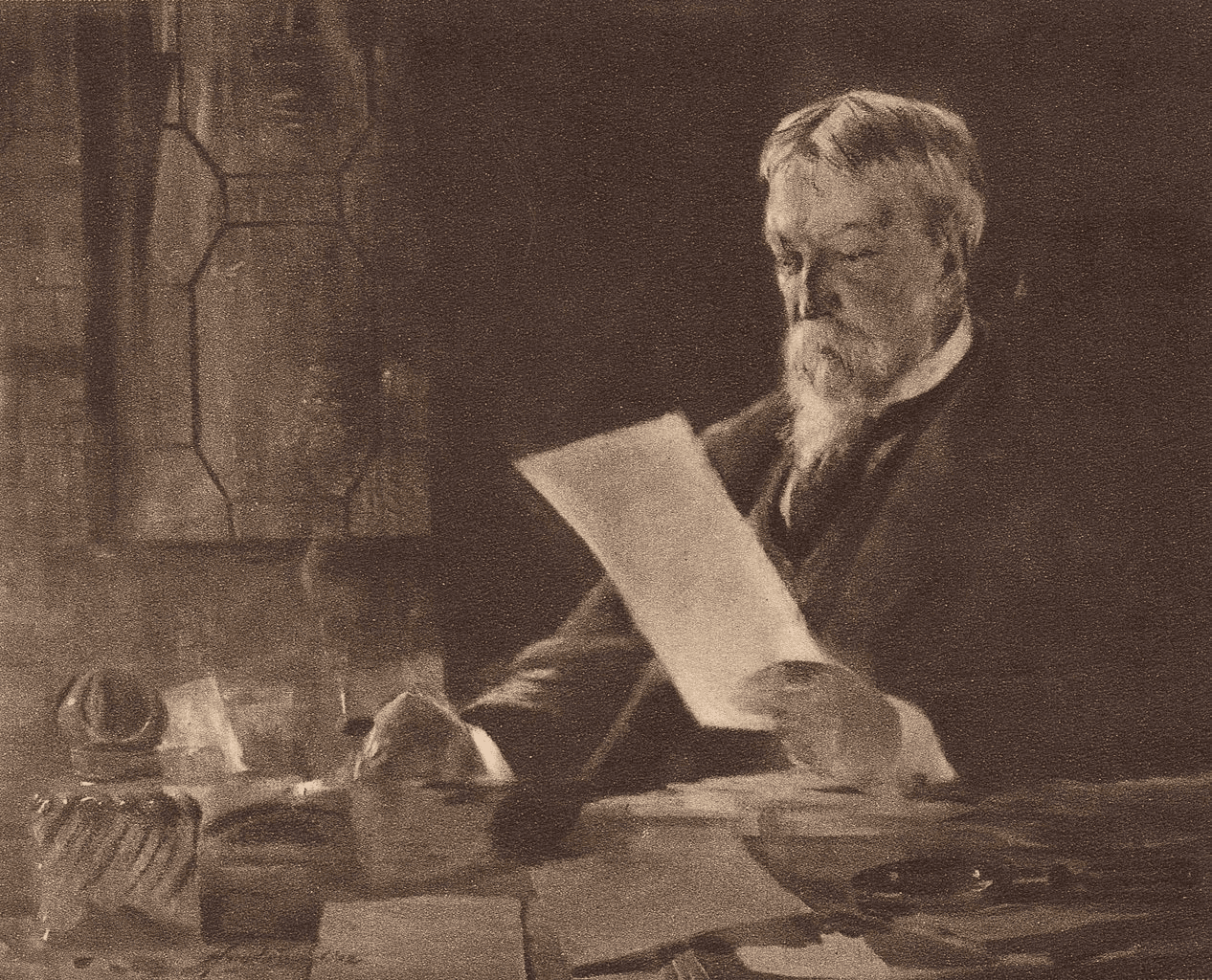
The distinguished physician went through two marriages in his lifetime. His first wife, Mary Middleton Elwyn, came from a family with a medical heritage in Philadelphia. They raised two sons together: John Kearsley Mitchell, who became a neurologist, and Langdon Elwyn Mitchell, who found success as a playwright.
In 1875, he tied the knot for the second time with Mary Cadwalader, a member of one of Philadelphia’s most affluent and respected families. Just a year after their wedding, he was appointed as a trustee at PENN. This marriage also blessed him with two daughters.
Mitchell passed away in Philadelphia on January 4, 1914, at the age of 84 and was laid to rest in Woodlands Cemetery. His wife followed him in death just a week later.