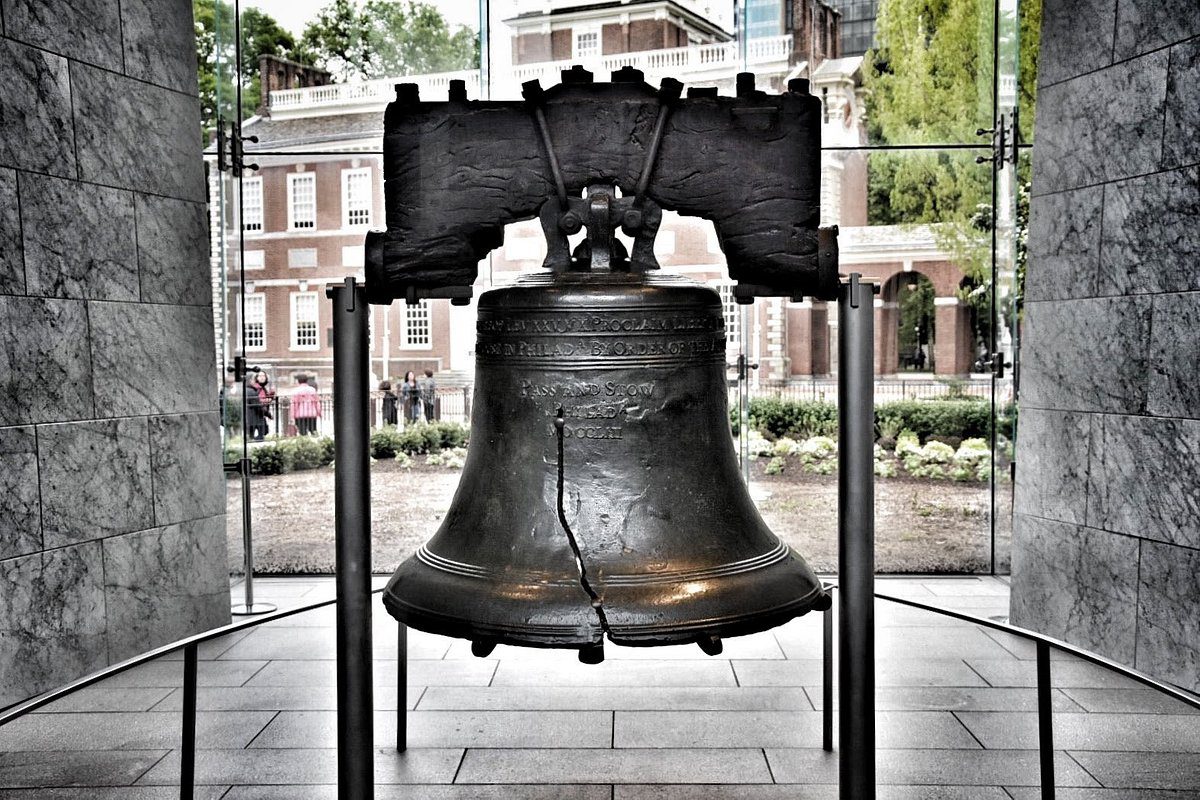

Once known as the State House Bell and later the Old State House Bell, it ultimately became recognized by its enduring name: the Liberty Bell. This iconic artifact has become an inseparable symbol of American independence. This article delves into its significant historical facts. Learn more at iphiladelphia.
The Liberty Bell’s Origins and Purpose
The very first bell, dating back to 1682 when Philadelphia was founded, was primarily used to announce state events or public emergencies. This original bell was brought over by William Penn, one of the city’s founders, and hung from a tree.
However, in 1751, Philadelphia authorities decided it was time for a higher-quality bell. Their main goal was for its sound to reach residents even in the farthest corners of the city. To solve this, Isaac Norris reached out to Robert Charles, the London colony’s agent, requesting he purchase a new bell for Philadelphia. It was to weigh approximately two thousand pounds and be cast by only the finest craftsmen. The request included clear instructions: the phrase about liberty throughout all the land and to all the inhabitants thereof must be inscribed by the workers.
Troubles with the Bell
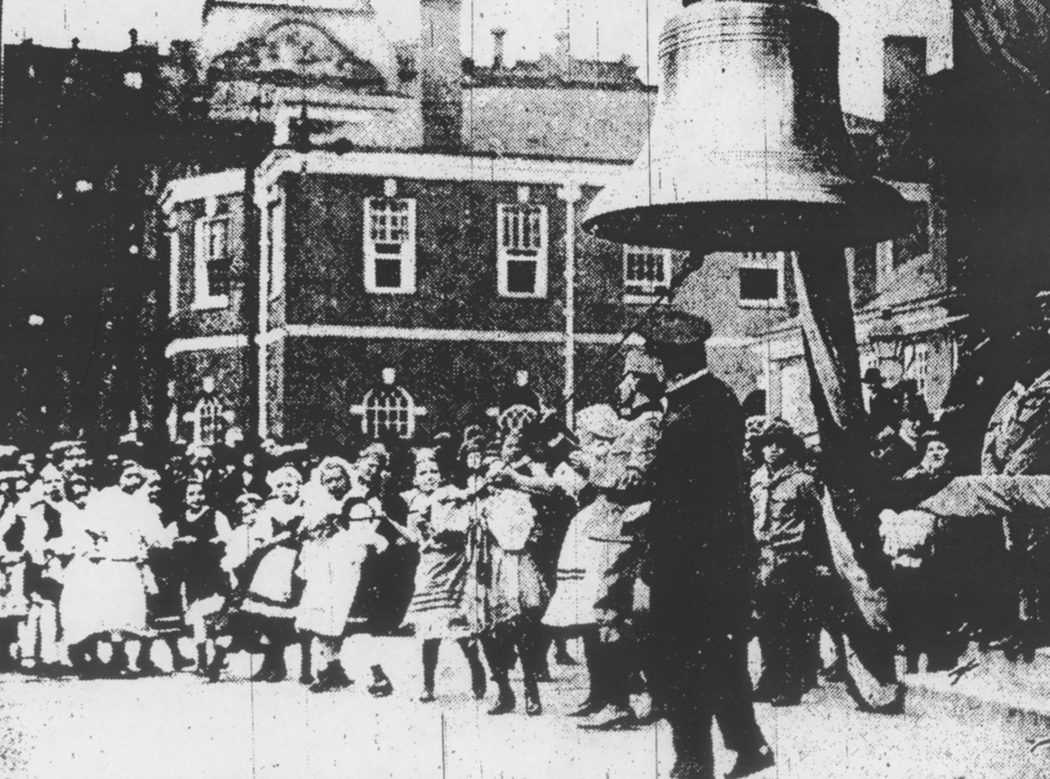
The bell was ordered from the London foundry of “Lester and Pack” with a budget of 150 pounds. However, during a sound test, the bell cracked. This led Philadelphia officials to approach local founders with the problem, and they decided to recast it. After several attempts, the bell was finally unveiled to the public and immediately hung in the State House steeple.
But another issue soon arose. Either during transportation or due to a bell ringer’s carelessness, the bell was damaged again. A metal analysis conducted in 1975 revealed the flaws that led to its incredible brittleness. It turned out the bell had a high content of tin, some of it cheap, and a significant amount of lead. These were fatal errors that contributed to its subsequent deterioration.
The Famous Crack and New Name
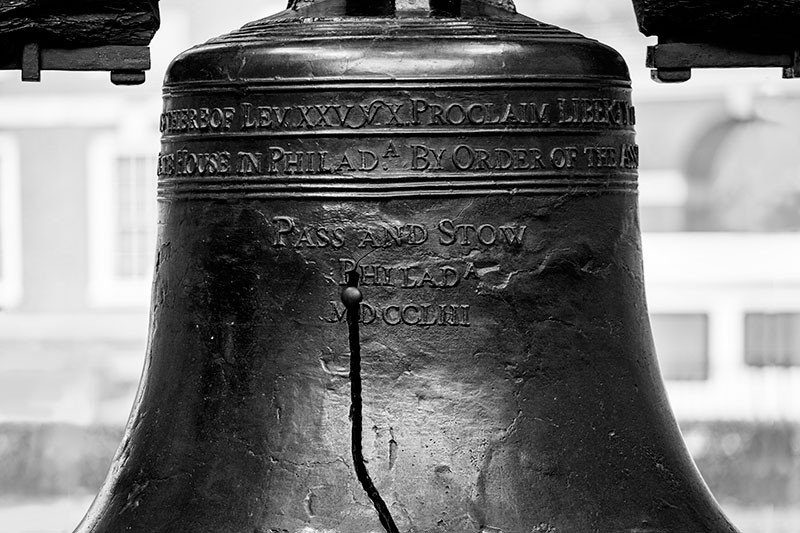
The exact cause of the crack remains unknown. However, the first mention of this defect appeared in 1846. That February, the bell was struck as usual, but it was then noticed that the crack was beginning to lengthen. Following this event, it was declared that the artifact had suffered irreparable damage. However, it’s important to remember that it had served the people of Philadelphia for decades.
Despite the precise details of the bell’s crack remaining a mystery, several theories exist. One theory dates back to 1824, coinciding with the passage of a British law, suggesting damage occurred then, though the reasons are still unclear. A second, more realistic theory, posits that the defect arose from simple carelessness by children.
It was in 1837 that the bell received its modern name, the Liberty Bell. This name later gained worldwide recognition. In 1848, it was even moved to the Assembly Room, where discussions regarding America’s Declaration and Constitution had taken place. In doing so, the bell came to embody the very symbol of American independence and freedom.
The Bell’s Fate During World War II

During World War II, the city council greatly feared the bell could be at risk from potential terrorist attacks or enemy bombings. Consideration was given to moving the Liberty Bell to Fort Knox. However, the idea was ultimately abandoned due to widespread public protests.
In 1944, the Whitechapel Bell Foundry even offered to cast a new Liberty Bell free of charge, which would symbolize Anglo-American friendship.
And although the bell will never ring again in modern times, it has proven to be something far greater. It has become a historical treasure and the most famous symbol of freedom and democracy. Photographs and printed materials featuring the bell have flooded all of America, and beyond. It is depicted on banknotes, stamps, postcards, and more. Various campaigns and protests are held against its backdrop, as it will forever remain a beacon of hope and a symbol of a happy and free future for every resident of the USA.