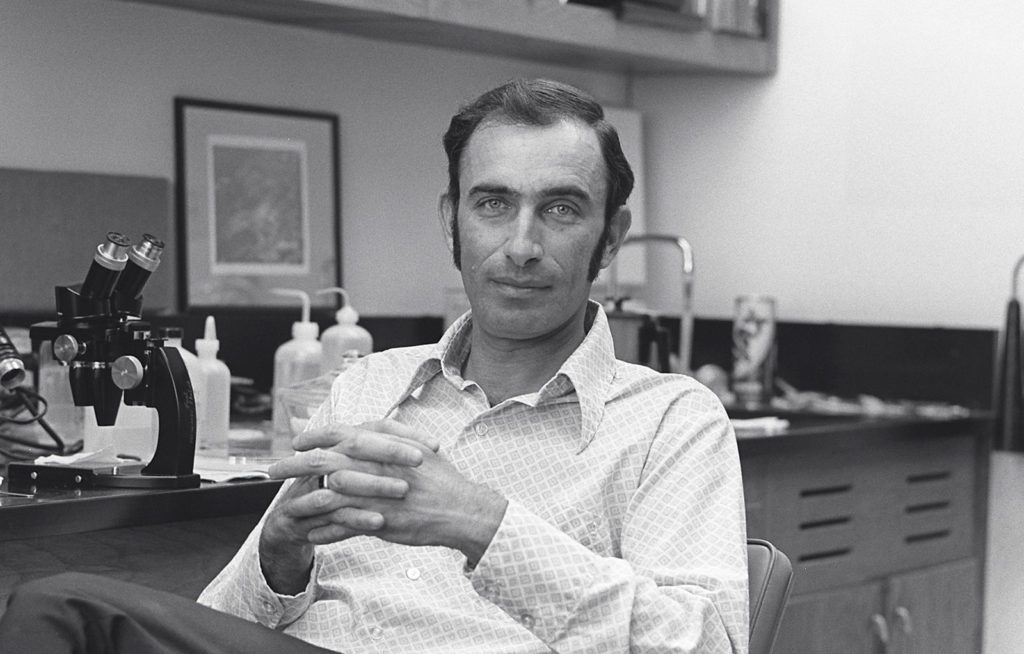

Paul Ehrlich rose to prominence through his groundbreaking work in biology, particularly by popularizing predictions about population growth and its inevitable consequences. He tirelessly highlighted the critical issues of hunger and resource depletion. His widespread recognition soared after the publication of his influential book, “The Population Bomb,” which he co-authored with his wife. Learn more at iphiladelphia.
Family Background and Education
Paul Ehrlich was born on May 29, 1932, in Philadelphia, Pennsylvania. His father was a shirt salesman, while his mother was a language teacher and researcher. Ehrlich’s family roots were not American; his ancestors had emigrated to the U.S. from Galicia and Transylvania.
Even in school, Paul displayed a keen interest in entomology and butterflies. He later earned a degree in zoology from the University of Pennsylvania. He then continued his education at the University of Kansas, where he began his research on insects.
Thanks to a scholarship from the National Institutes of Health, Ehrlich studied the genetics and behavior of parasitic mites. He subsequently joined the faculty as a professor at Stanford University. His pioneering research in the coevolution of plants and insects earned him widespread recognition in the scientific community.
In 1984, Paul successfully founded the Center for Conservation Biology at Stanford University. He later became a member of numerous scientific organizations.
The Book That Shook the World
April 1967 marked a significant turning point for Ehrlich when he delivered a lecture on overpopulation at the Commonwealth Club of California. What made this lecture particularly impactful was its radio broadcast. His work gained significant traction, catching the attention of David Brower, executive director of the Sierra Club, and Ian Ballantine of Ballantine Books. They proposed that the scientist write a book dedicated to his urgent topic.
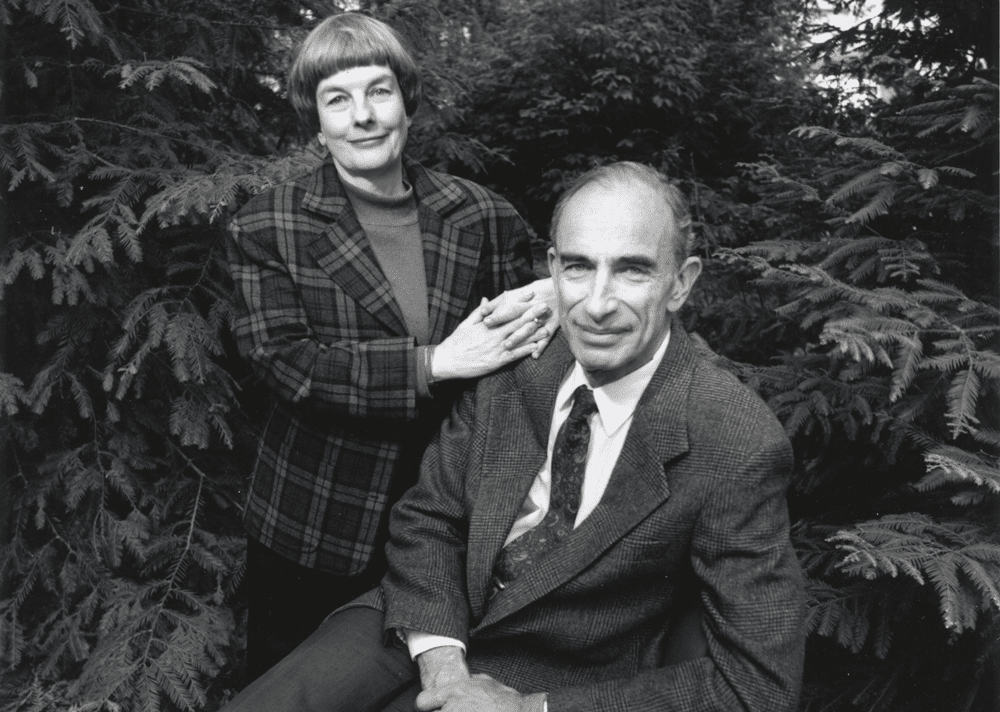
The book was a collaborative effort with Ehrlich’s wife, Anne. It was successfully completed and released to the public as “The Population Bomb” in 1968. However, the publisher insisted that only Paul be credited as the author.
Ehrlich wasn’t the first to draw attention to the demographic challenges humanity might face. Yet, he was the one people finally began to listen to. This was largely due to his natural charisma and talent for engaging with the media. Thanks to his efforts, many people finally paid attention to a problem that scientists had been discussing for years.
In his book, Paul asserted that the global population was excessively large, leading to negative consequences that were slowly but surely causing overpopulation. He proposed various solutions to mitigate this problem, including birth control and abortions. However, his predictions later didn’t fully materialize, which, understandably, drew criticism towards the scientist.
All the forecasts he shared with a wide audience turned out to be unfounded, and he was accused of infringing on human rights due to his proposed population control measures. Despite this, Paul continued to stand by his predictions, emphasizing their validity even when experts found errors in his work.
Unwavering Conviction in His Predictions

During a 2004 interview, Paul acknowledged that not all of his predictions had indeed come true. However, he continued to emphasize that countless people were suffering from hunger and that his forecasts regarding diseases and climate change had proven accurate. Therefore, he believed his other theories would eventually be vindicated.
Ehrlich believed that global overpopulation was the greatest threat to humanity, and he proposed another idea to control this process: introducing taxes for large families.
Paul asserted that the optimal number of people on the planet ranged from 1.5 to 2 billion. However, in 2022, highly reputable and respected scientists refuted his opinion by publishing an article stating that the sustainable population should be between 2 and 4 billion people.
Responding to Criticism

The scientist remains convinced that humanity has only managed to delay a total catastrophe. This postponement, he argues, is thanks to improved agricultural methods. However, he asserts that this doesn’t change the fact that population growth only increases pressure on the environment. Factors contributing to this pressure include overfishing, global warming, air pollution from various chemical emissions, and intense competition for raw materials.
Yet, Ehrlich raised alarms repeatedly without concrete confirmation, and most of his predictions didn’t come to pass. This list includes warnings about the extinction of marine animal life and famine in Great Britain. Paul did not admit to these specific errors, countering that he successfully predicted the spread of AIDS and global warming.
It’s impossible to know for sure what fate awaits our planet, as tomorrow is never guaranteed. However, Paul Ehrlich made his predictions, and whether to trust them or not is a personal choice.