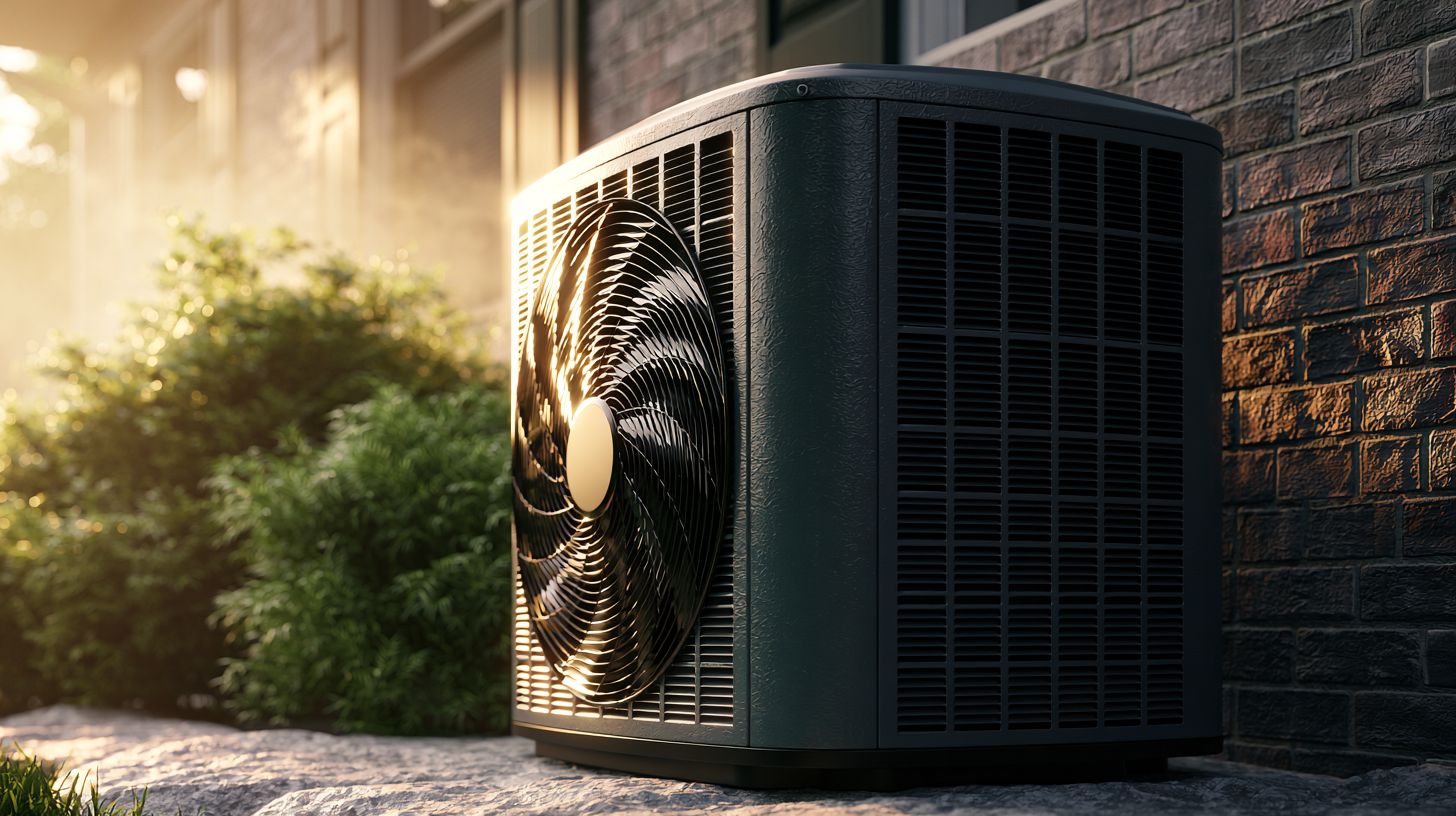

It’s a hot Philadelphia afternoon, you flip the air conditioning on, and instead of the cool relief you were counting on, you get a rattle, a buzz, or air that’s barely cooler than the room itself. Every homeowner knows that small spike of dread. The good news is that your AC is actually trying to tell you something — strange noises and warm air are rarely random, and learning to read them puts you a step ahead of a full-blown breakdown.
Not every symptom means disaster. Some are simple fixes you can handle in five minutes; others genuinely need a professional. But ignoring the early warning signs during peak summer is exactly how a minor issue turns into a total failure on the hottest day of the year. Knowing which sounds and symptoms are harmless and which mean it’s time to look up “air conditioner repair near me” can save you an uncomfortable week — and a much bigger bill.
This guide walks through the most common AC warning signs, what each one usually means, what you can safely check yourself, and the point at which it’s smart to bring in a technician.
What Your AC Is Trying to Tell You
Air conditioners almost never fail without warning. Unusual noises, weak cooling, and odd smells are early signals that something inside the system is starting to slip. The trick is noticing them before they escalate.
That’s especially true in a Philadelphia summer. Between the heat and the humidity, local AC systems run hard for months at a stretch, and that sustained workload wears on parts faster than a milder climate would. Catching a small problem in June is a routine repair. Catching that same problem in August — after it’s had all summer to get worse — is often an emergency call.
Strange Noises and What They Usually Mean
Your AC has a normal operating sound: a steady, familiar hum. Anything that stands out from that baseline is worth paying attention to. Here’s how to interpret the most common culprits.
Banging or Clanking
A loud banging or clanking usually means a part has come loose or broken inside the unit — often something in the compressor or a detached component knocking around. This isn’t a wait-and-see sound. Turn the system off and have it looked at before running it further, since continuing to run it can cause more damage.
Buzzing or Humming
A persistent buzz or hum often points to an electrical issue — a failing capacitor, loose wiring, or debris caught in the unit. Electrical problems tend to worsen over time and shouldn’t be poked at by hand, so this is one to flag for a professional.
Squealing or Screeching
High-pitched squealing or screeching typically signals a worn belt or a motor bearing that’s wearing out. It’s not always an immediate emergency, but it’s a clear sign that a part is deteriorating and will eventually fail if left alone.
Clicking That Won’t Stop
A single click when the system starts or stops is normal. Constant, repeated clicking usually indicates a thermostat, relay, or control problem. It often accompanies a system that won’t start properly, and it’s worth diagnosing before it leaves you without cooling entirely.
Hissing or Bubbling
Hissing or bubbling can point to a refrigerant leak. This one matters — low refrigerant hurts your system’s performance and shouldn’t be handled without a professional, since refrigerant requires special equipment and handling. Don’t ignore it.
Blowing Warm Air? Here’s What’s Likely Going On
Warm air is one of the most common complaints, and the causes range from trivial to serious. Before assuming the worst, it helps to understand what’s actually happening.
The usual suspects include a thermostat set to the wrong mode, a dirty air filter choking off airflow, a frozen evaporator coil, low refrigerant, a dirty or blocked outdoor condenser unit, or simply a tripped breaker. Some of these you can resolve yourself in minutes; others — like refrigerant issues or a coil that keeps freezing — need a technician. The key is working through the simple explanations first before calling for help.
Staying Cool Through a Philadelphia Summer
Your air conditioner works overtime in this climate, and a little attention to its early warning signs is what keeps it running when you need it most. Reading the noises, addressing warm air promptly, and handling the simple checks yourself will get you through most of what summer throws at your system — without waiting for a total failure on a 95-degree afternoon.
When the basic checks don’t fix it, homeowners across the Philadelphia area — from the city’s older neighborhoods out into Bucks and Montgomery County — often turn to trusted local pros like Region Home Services for honest diagnostics and straightforward repair advice. A family-run team serving the region since 1974, they’re the kind of local company that will tell you when it’s a quick fix and when it’s something more — which is exactly what you want before the next heatwave hits.