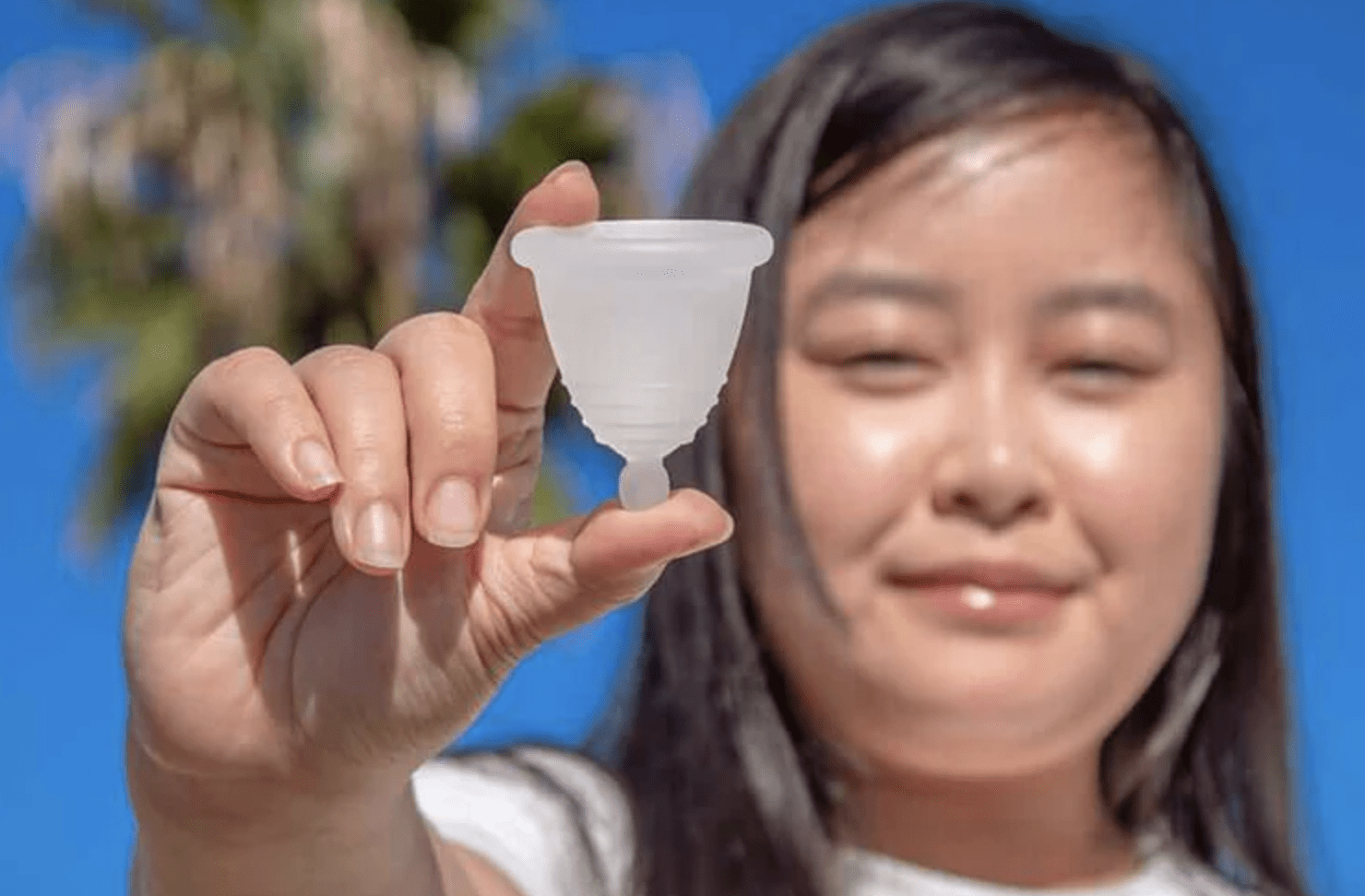

By now, you’ve probably heard of menstrual cups: flexible, reusable alternatives to tampons and pads that have been gaining attention in recent years. Touted for their sustainability, cost-effectiveness, and convenience, menstrual cups are a practical option for many people, from college students to working parents to teens just starting their period journey.
But while the idea of a cup that lasts for years and reduces waste is appealing, many people still have questions. How do they work? Are they safe? Which one is right for me, or for my teenager?
Whether you’re looking to simplify your monthly routine, explore eco-conscious products, or help your teen build a thoughtful period kit, this guide breaks down what you need to know about finding the best menstrual cup for your body, budget, and lifestyle.
What Is a Menstrual Cup?
A menstrual cup is a small, bell-shaped device that’s worn internally to collect menstrual fluid rather than absorb it. Most cups are made from medical-grade silicone, rubber, or thermoplastic elastomer (TPE), and they come in a range of sizes and firmness levels to accommodate different needs.
To use one, you fold the cup, insert it like a tampon without an applicator, and it gently unfolds inside the vagina to form a seal. After up to 12 hours, depending on your flow, you remove, empty, rinse, and reinsert.
For many users, cups offer a long-term solution that’s not only convenient but also reduces the amount of disposable waste generated by period products.
Why More People Are Choosing Cups
Menstrual cups appeal to a wide range of people for many reasons, especially those balancing busy days, limited budgets, or concerns about environmental impact.
Key benefits include:
- Extended wear time: Most cups can be worn safely for 8 to 12 hours.
- Reduced cost: One cup can last several years with proper care.
- Lower waste: A single cup replaces hundreds of pads or tampons.
- Comfort and discretion: When appropriately inserted, cups are typically not felt and don’t produce odor.
- Versatility: Suitable for swimming, sleeping, sports, and everyday life.
This kind of flexibility makes menstrual cups especially helpful for parents managing childcare, students with packed schedules, service workers without easy access to bathrooms, or anyone wanting to streamline their monthly routine.
Safety and Materials: What to Know
Safety concerns are common and reasonable. Fortunately, menstrual cups have a strong track record. The materials used are generally non-toxic and biocompatible.
Silicone is the most widely used material. It’s durable, heat-resistant, and hypoallergenic for most people.
TPE (thermoplastic elastomer), used in brands like MeLuna, is another option. It’s also hypoallergenic, softens with body heat, and may be better tolerated by people with silicone sensitivities. TPE is less prone to supporting bacterial growth associated with Toxic Shock Syndrome (TSS) when appropriately cleaned, adding another layer of safety for extended wear.
Whichever material you choose, the key is proper hygiene: washing your hands before inserting or removing, rinsing your cup thoroughly between uses, and boiling it occasionally to sanitize.
Finding the Best Menstrual Cup for You
Choosing the right menstrual cup depends on several factors: your anatomy, flow, physical activity, and whether you’ve given birth vaginally.
Some factors to consider:
- Size: Most brands offer at least two sizes, with suggestions based on age, flow, or childbirth history. Some also offer smaller sizes for teens or more compact shapes for people with low cervixes.
- Firmness: Firmer cups may open more easily and resist compression during physical activity, making them a good option for athletes or those with strong pelvic floors. Softer cups are gentler and better for people with sensitivities or who are just starting.
- Length: Shorter cups, sometimes called “shorty” styles, can be more comfortable for people with a low cervix or pelvic floor conditions like prolapse.
Brands like DivaCup, Saalt, Cora, and MeLuna offer diverse sizing guides to help users find the right fit. MeLuna, for instance, offers not only a range of sizes and shapes but also cups made from TPE for those looking for a non-silicone alternative.
Supporting Teens: Building a Thoughtful Period Kit
For teens, starting menstruation is a significant milestone and often an overwhelming one. A well-designed period kit for teens can help young people feel more prepared and less anxious, whether they’re navigating their first period at school or exploring options beyond disposable pads.
What to include:
- A small or teen-sized menstrual cup (brands like Lena and Pixie Cup offer gentle, beginner-friendly options)
- Reusable pads or period underwear for backup or transition
- A zippered pouch for discreet storage in a backpack or locker
- Unscented wipes or mild soap for cleaning
- A note or guide on how to use each item
While some teens may prefer to start with pads or tampons, introducing the idea of a cup early can normalize the option and give them tools for future comfort and autonomy.
First-Time Tips
If you’re new to menstrual cups, a little patience goes a long way. Most users need a couple of cycles to get entirely comfortable.
Here are a few beginner-friendly tips:
- Practice insertion on a day with lighter flow or before your period.
- Experiment with different folding techniques to find what works best.
- Use a backup liner while you get the hang of it.
- Don’t be afraid to trim the cup’s stem if it causes discomfort; leave enough for removal.
- Relax. Tension in the pelvic muscles can make insertion trickier.
Everybody is different. What works for one person may not work for another, and that’s completely normal.
A Local Note
Philadelphians, like people everywhere, are exploring more sustainable and inclusive ways to approach health and wellness and menstrual care is no exception. Whether you’re navigating postpartum recovery, managing your period while commuting across the city, or helping your teen find the right products for school life, menstrual cups offer a low-maintenance, high-reward option.
They’re not the only choice, and they’re not always the right one for everyone. But for many, they represent a more innovative, more sustainable way forward — one that respects your body, your time, and your values.