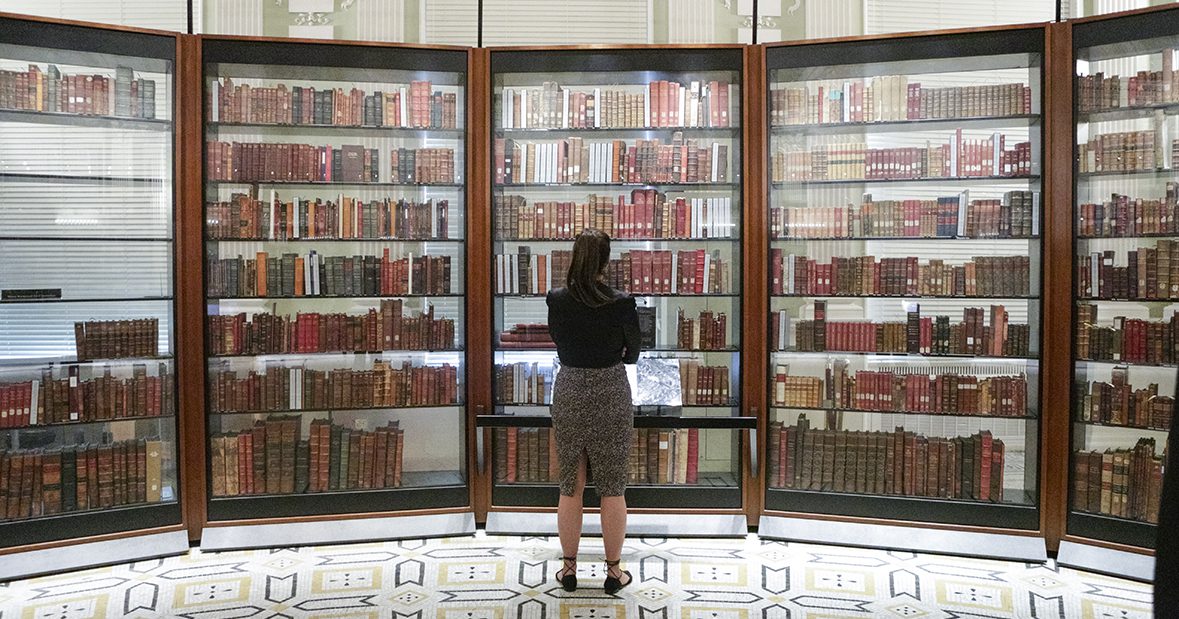

Philadelphia is a city steeped in history, where every corner tells the story of the birth of the American nation. Yet, one of the most significant, though perhaps less advertised, institutions is the Library Company of Philadelphia. This is far more than just a repository for books. It is the cradle of the American idea of accessible knowledge, established by one of the most prominent Founding Fathers. It became not only the first subscription library in the United States but also the de facto Library of Congress until 1800. The profound impact it had on the intellectual development of the colonies cannot be overstated. Read more about this landmark treasure trove of knowledge at iphiladelphia.net.
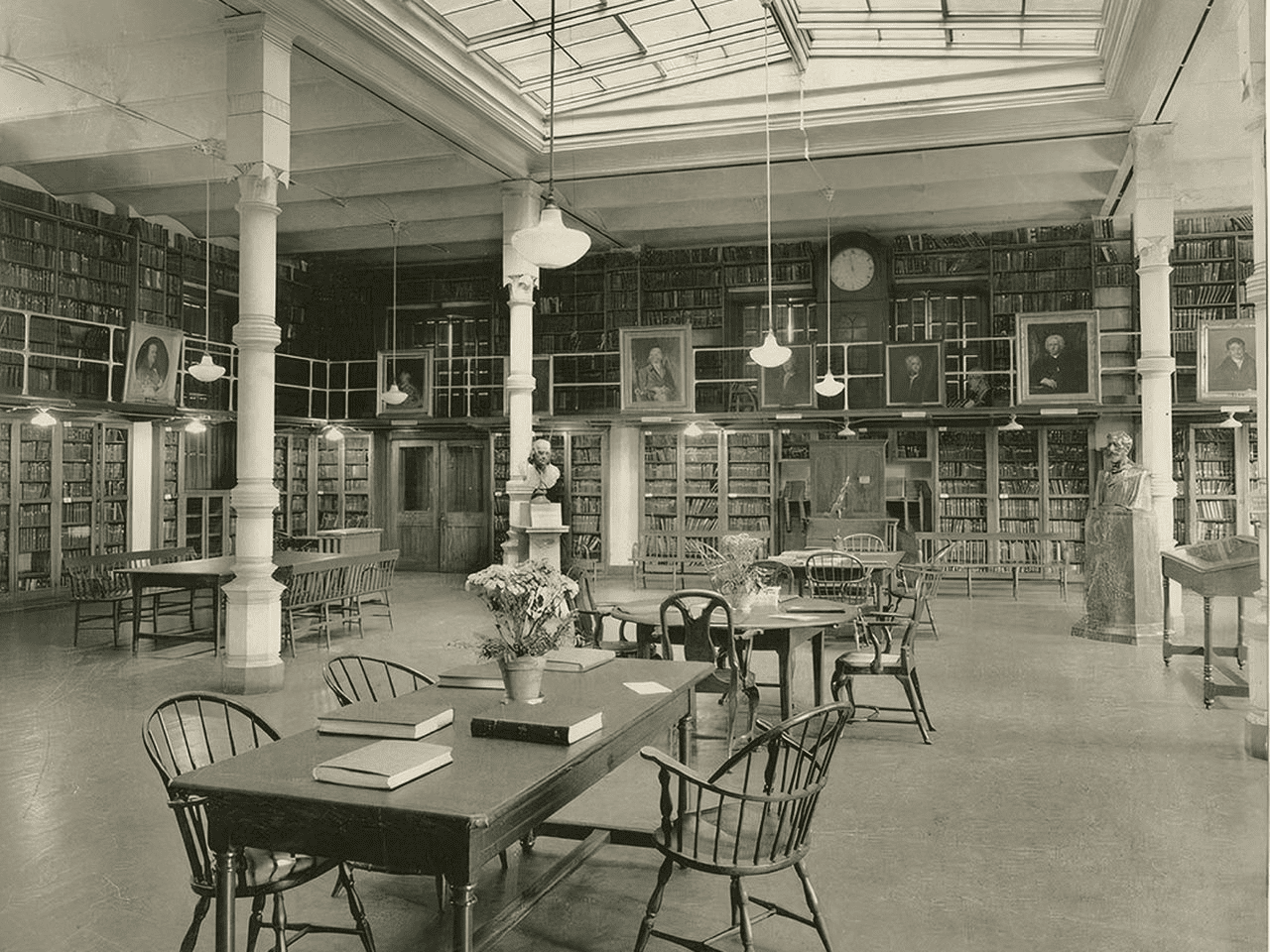
The Library Created by Franklin
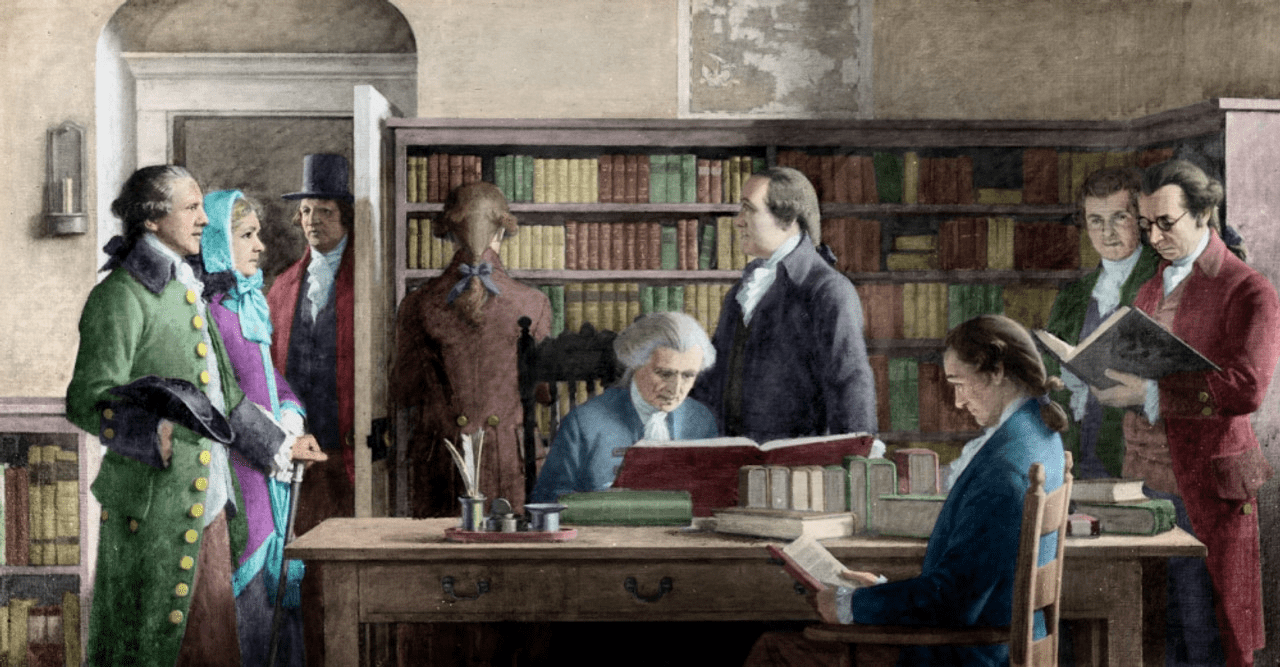
The story of the Library Company begins in 1731, when Benjamin Franklin, then just 25 years old, founded it with members of his philosophical discussion group, the Junto. At the time, books were a rare and costly luxury. Great literature was accessible only to the very wealthy or to clergy. Franklin believed that for the social, economic, and intellectual growth of the nation, a collective pooling of resources was essential.
Fifty founding subscribers each invested 40 shillings and committed to an annual payment of 10 shillings. This pragmatic, shared approach allowed for the creation of a capital of books for everyone. The institution quickly became “the mother of all American subscription libraries,” and its successful model was rapidly imitated all along the Atlantic coast, from Salem to Charleston.
A Book Repository Serving the Revolution
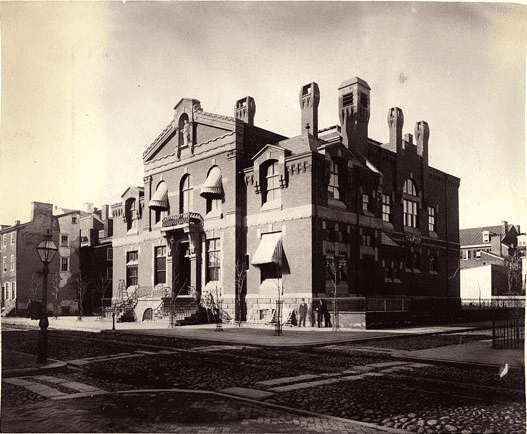
The library quickly expanded, gaining national significance and importance. In 1740, the book collection moved. It relocated to the Pennsylvania State House—now famously known as Independence Hall. Later, in 1773, the institution moved again, with Carpenters’ Hall becoming its new home.
This very location became a witness to great history. In 1774, the Continental Congress met there for the first time. Its participants were immediately granted full access to all the Library’s holdings. Thus, this collection served as the information hub for the key architects of the American state. It effectively functioned as a national treasury of knowledge long before the official establishment of the Library of Congress in 1800. The collections house unique materials that reflect every aspect of American culture and society in the 18th and 19th centuries. This rich collection helped politicians make historical decisions and became the intellectual bedrock for the founding of the United States.
A Treasure Trove of Rare Editions
The repository is perhaps the single most important center for the study of 17th- to 19th-century American society and culture. It boasts one of the most significant collections of historically valuable printed and manuscript materials in the United States. Its holdings are freely accessible to scholars and the public. The current collection includes:
- Over half a million rare books and graphic images.
- The country’s second-largest collection of American publications printed before 1801.
- A collection of 2,150 items that once personally belonged to Benjamin Franklin.
The collection also stands out for its thematic depth, covering women’s history, African American history, popular literature, business, natural sciences, and art, providing fresh perspectives on the past.
The Institution Today
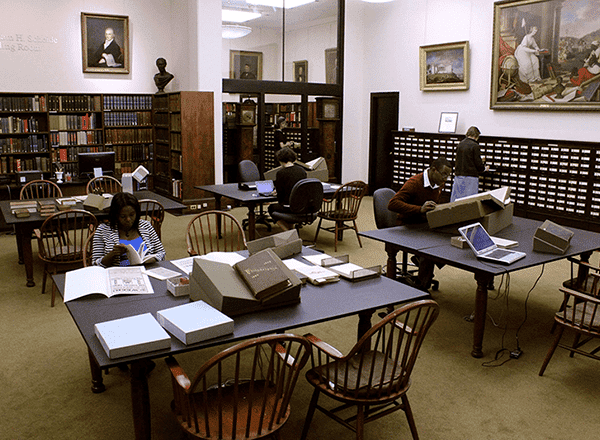
Today, the Library Company of Philadelphia does not operate as a general circulating public library. While it is the “mother” of America’s subscription libraries, its modern mission focuses on preserving, interpreting, and encouraging scholarly research into American society up to 1900.
The institution remains open to the public, but its collections are non-circulating, meaning materials are issued only for use within the reading room. Thanks to this policy and its unique collection, it offers an international fellowship program that attracts researchers from all over the world. Scholars come to examine its outstanding holdings, especially in the fields of African American history, women’s history, popular literature, art, and commerce.
The Library Company actively engages with the public through regular exhibitions and programs. These events allow visitors to view the most valuable treasures—once accessible only to members of the Continental Congress—free of charge. This ensures that the history that shaped the American nation remains vibrant and relevant.
Key Milestones in Development
| Year | Event | Significance |
| 1731 | Founded by Benjamin Franklin and members of the Junto as America’s first subscription library. | Embodied the pragmatic idea of shared access to expensive publications. |
| 1740 | Relocated to the Pennsylvania State House. | Gained official and national status. |
| 1774–1800 | Functioned as the de facto Library of Congress during the meetings of the Continental Congress and Constitutional Convention. | Directly participated in the formation of American democracy. |
| 1801 | Transferred part of its holdings to the officially established Library of Congress in Washington. | Ended its role as a national repository; began focusing on unique collections. |
| Today | Transformed into an independent research institution. | Maintains its status as a key scholarly center for the study of 17th–19th century American history. |
The Library Company of Philadelphia is a living monument to American education and enterprise. It serves as a reminder of how the idea of shared access to knowledge, conceived in a small philosophical discussion group, became the foundation for the intellectual freedom and development of one of the world’s most powerful countries.