
In the pantheon of American sports, few traditions carry the historical weight and raw intensity of the Big 5. This isn’t just a local tournament; it’s a unique basketball brotherhood uniting five Philadelphia universities: La Salle, Penn, Saint Joseph’s, Temple, and Villanova. Established in 1955, this coalition transformed the city into the epicenter of college hoops, where neighborhood bragging rights often outweigh national rankings. The Big 5 is a living legacy that has spent decades defying the commercialization of sports to preserve the authentic spirit of the game and fierce city-wide competition.
In this at iphiladelphia.net article:
- about the phenomenal basketball brotherhood of Philadelphia, uniting five universities into the oldest city alliance in the U.S.;
- about the mystical energy of The Palestra—the legendary “Cathedral of Basketball” where fans have sat side-by-side for decades;
- about the explosive tradition of “streamer madness” and the true value of “bragging rights” earned without golden trophies;
- about the modern transformation into the Big 6 with the addition of Drexel University and the move of the finals to a major arena.
The Cathedral of Basketball
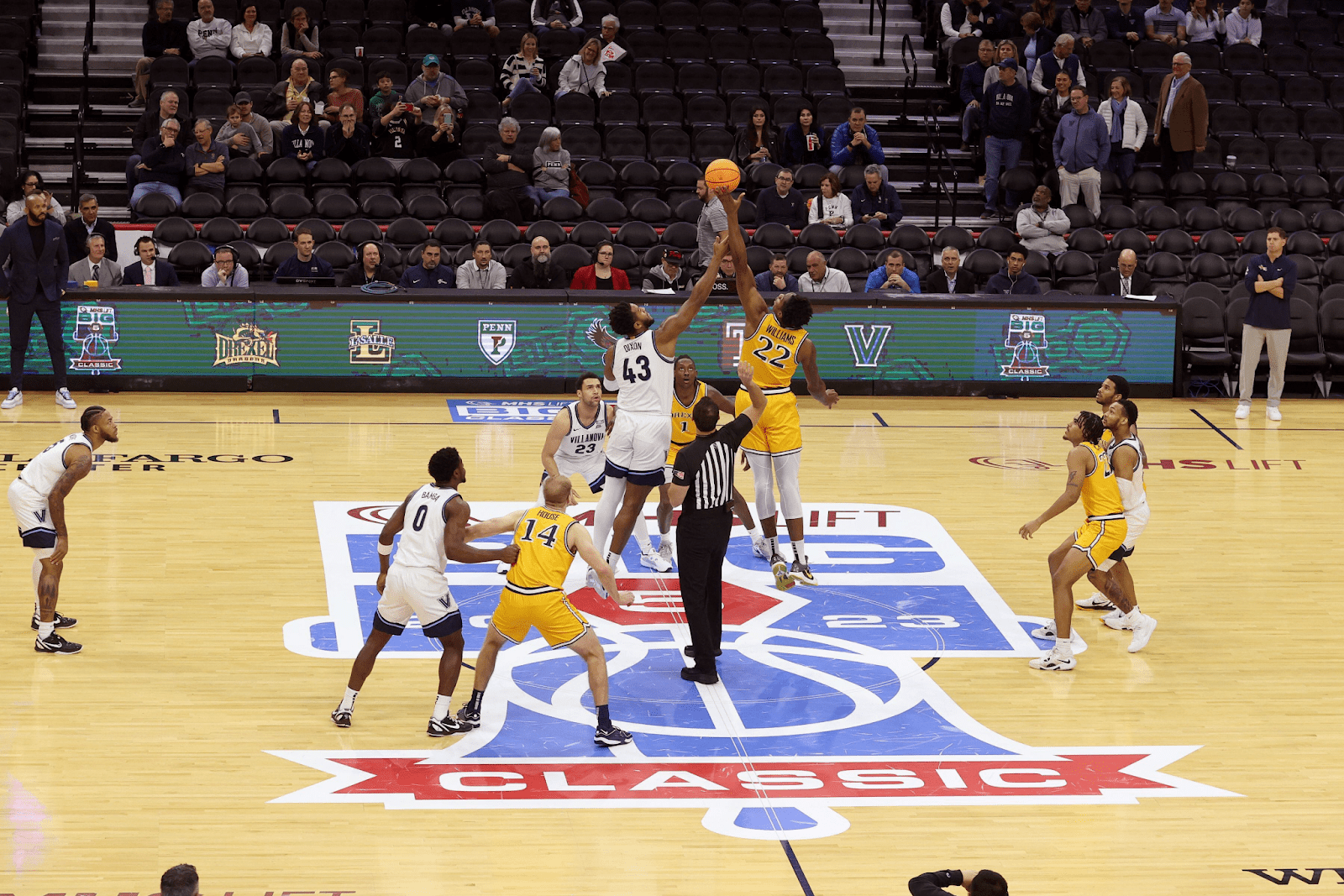
In the mid-1950s, the city’s five leading universities formed an informal alliance that would turn Philadelphia into the beating heart of U.S. collegiate athletics for decades. The primary sanctuary for this brotherhood was the University of Pennsylvania’s legendary arena — The Palestra. Renowned for its incredible acoustics, the intimacy of the stands, and a nearly mystical energy, it earned the title of “The Cathedral of Basketball.” Here, every matchup felt less like a game and more like a high-stakes liturgy of athletic excellence.
For years, The Palestra served as true neutral ground, where the boundaries between rival fan bases were practically nonexistent. What made Big 5 games unique was that fans from opposing schools sat shoulder-to-shoulder, separated only by the colors of their university scarves. This proximity created an unprecedented level of tension and mutual respect. The roar of the crowd in the enclosed arena was so deafening that players often couldn’t hear the referees’ whistles. It was a place where Philadelphia’s city identity trumped university silos, uniting residents from different wards through a shared obsession.
One of the most iconic chapters of this rivalry was the spectacular tradition of throwing streamers. As soon as the first basket was made, hundreds of colorful paper rolls would fly, dousing the court in a vibrant rain. This ritual was so deeply woven into the game’s fabric that officials would patiently wait for volunteers to clear the hardwood before resuming play. Although strict NCAA rules eventually cracked down on this “paper madness” by imposing technical fouls for game delay, the spirit of the tradition lives on in the stories of veterans. For generations of Philadelphians, that paper shower symbolized an emotional explosion that no official protocol could contain.
Interestingly, for most of the Big 5’s history, the winner didn’t receive a physical cup or a gold trophy. The ultimate prize was “bragging rights” — an intangible but immensely powerful status as the city’s best team for the following year. In a city like Philadelphia, where athletic honor is valued more than metal, the ability to walk with your head held high and remind your neighbors of a victory was the true gold standard. The lack of a material prize only highlighted the sincerity of the rivalry, cementing the Big 5 as the most honest and emotional tournament in American college sports.
The Identity Code: Members and Philosophy of the Big 5
College basketball in Philadelphia is a complex mosaic of social status, neighborhood pride, and historical ambition. Each university in this legendary alliance brings its own distinct personality to the court. This makes the City Series a one-of-a-kind tournament where elite tactical schemes meet the gritty street style of North Philly, and prestigious suburbs battle it out with historic academic centers.
The Five Pillars of Philly Hoops
- Villanova Wildcats. The modern powerhouse of the alliance and a multi-time NCAA champion. Representing the upscale Main Line, the Wildcats showcase high-caliber basketball that blends tactical discipline with lethal shooting accuracy. For other Big 5 members, beating Villanova is the ultimate season highlight and a chance to topple the reigning leader.
- Temple Owls. The authentic voice of North Philadelphia. The Owls are traditionally known for their “rock-solid” defense and relentless grit. Their style is defined by athleticism, speed, and a hard-nosed press honed on city playgrounds over decades. Any game featuring Temple is guaranteed to be a grueling test of physical and mental endurance.
- Penn Quakers. The intellectual hub of the tournament and the pride of the Ivy League. The Quakers bring academic poise and a deep reverence for tactical execution. Playing in their home at The Palestra, they use the magic of their historic base to neutralize faster opponents through smart ball control and strategic thinking.
- Saint Joseph’s Hawks. The embodiment of pure, unbridled energy. Their legendary motto, “The Hawk Will Never Die,” is more than just a slogan; it’s a way of life. The team’s mascot, who never stops flapping its wings throughout the entire game, symbolizes the team’s constant motion and explosive tempo on the hardwood.
- La Salle Explorers. Keepers of a storied tradition and the winning spirit of the past. With an NCAA title and a rich history of legendary players, the Explorers remain the most unpredictable rival. They possess a unique ability to rally in critical moments, turning an underdog status into a powerful weapon for major upsets.
This balance of power elevates every Philly derby to an event of national significance. Regardless of budget gaps or current NCAA seeds, when it comes to the Big 5, the slate is wiped clean. This uncompromising nature and the geographic proximity of the rivals make the tournament one of the oldest and most respected brands in American college sports.
Evolution and the Big 6: A New Era
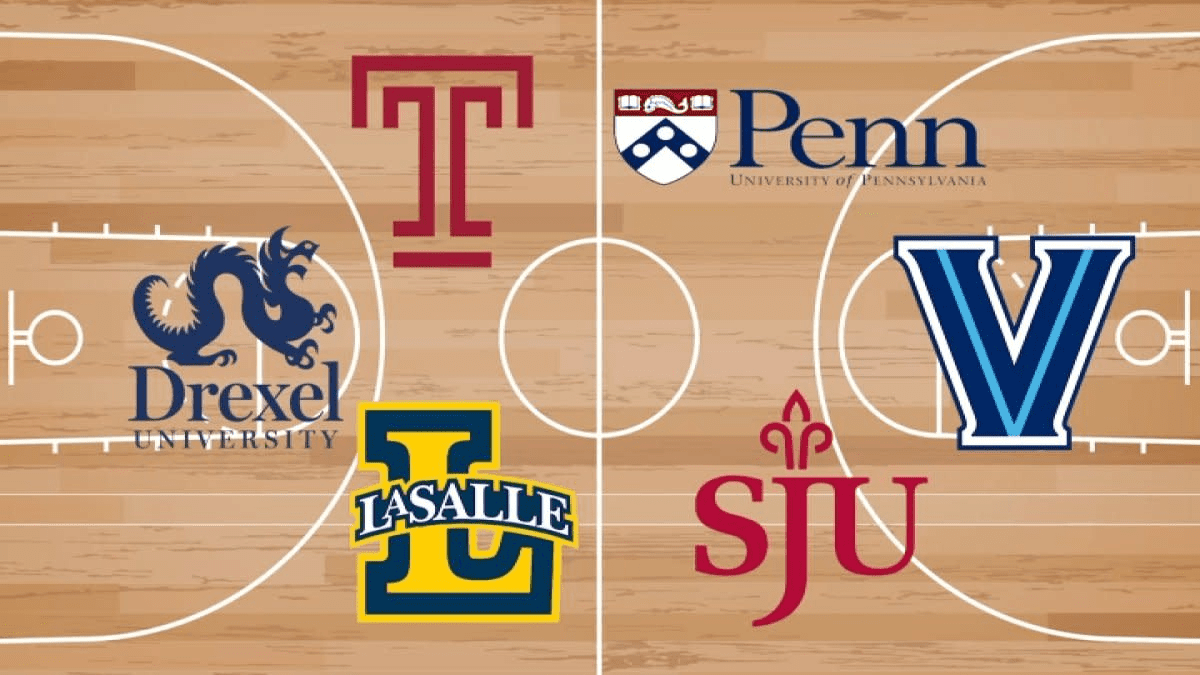
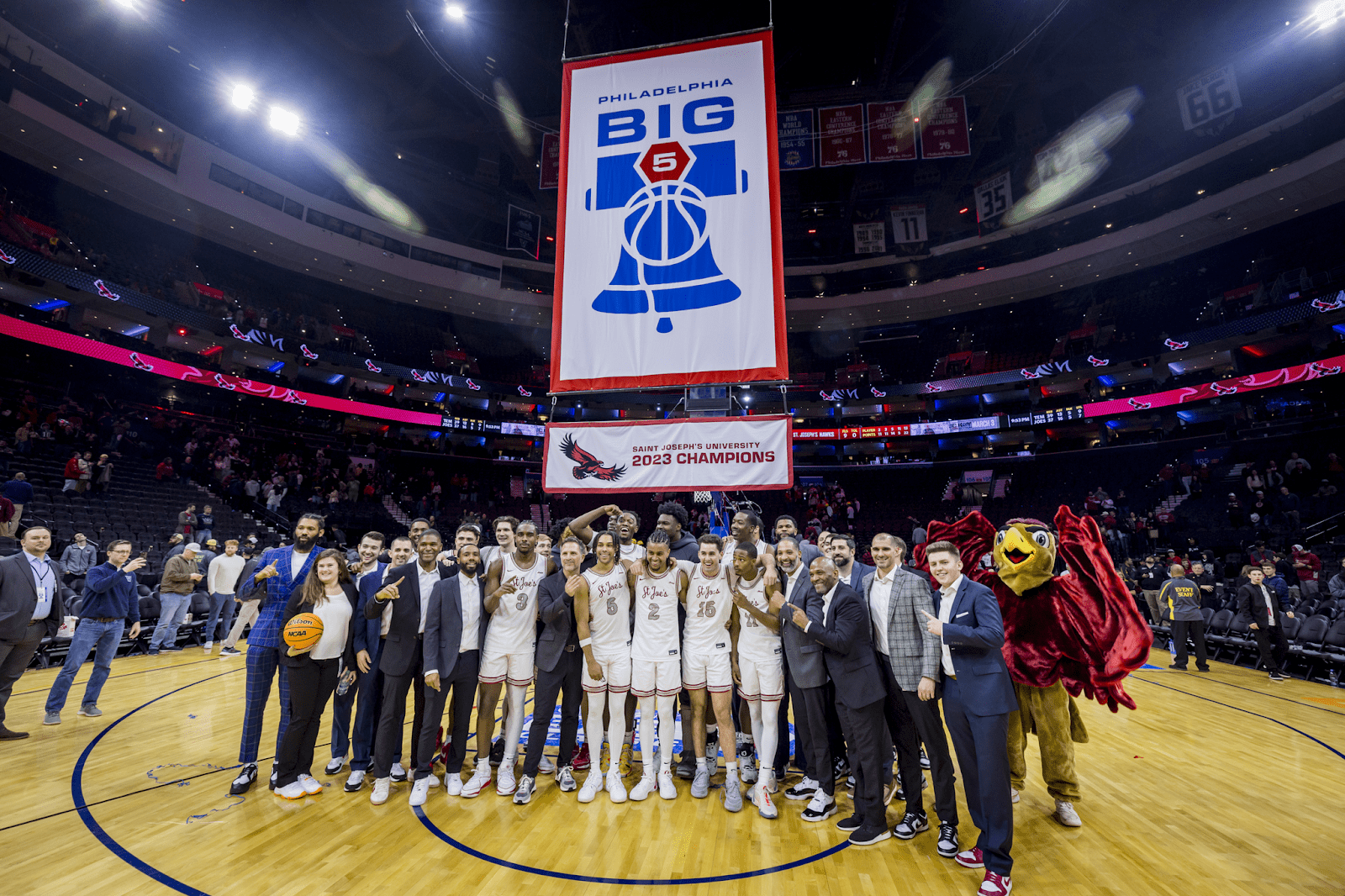
The landscape of sports is shifting, and in 2023, the Big 5 underwent its most radical transformation yet. Drexel University officially joined the fray, effectively turning the five into six, though the “Big 5” brand was preserved as a tribute to tradition.
This evolution led to a new tournament format featuring a tripleheader finale at the Wells Fargo Center. The reform aims to engage a new generation of fans and adapt to modern television requirements without losing the spark of local enmity. Despite pushback from traditionalists, the revamped format has proven that basketball in Philadelphia remains a dynamic religion capable of evolution.
The City’s Cultural DNA and the Future
For Philadelphians, the Big 5 is about more than box scores. It’s part of family history, where children often choose their allegiance based on where their parents went to school. This rivalry has produced dozens of NBA players and legendary coaches like Rollie Massimino and Jay Wright.
The tournament’s future looks secure, built on a bedrock of fanatical support. This league proves that in a world of massive corporate contracts and global leagues, local roots and the raw emotion of a neighborhood rivalry still hold the highest value. As long as the echo of a basketball can be heard in The Palestra, the heart of basketball in Philadelphia will keep beating.
Key Facts About the Big 5
| Feature | Details | Significance for Philadelphia |
| Founded | 1955 | The oldest active city-wide collegiate alliance in the US. |
| Primary Arena | The Palestra | A historic venue recognized as an architectural landmark. |
| Original Members | La Salle, Penn, St. Joe’s, Temple, Villanova | The elite of Philadelphia collegiate sports. |
| New Member | Drexel University (since 2023) | Expanding the footprint and city-wide competition. |
| Unique Tradition | Streamer Throwing | A symbol of fan passion (now in a limited format). |
| Modern Format | Tripleheader at Wells Fargo Center | A blend of classic rivalry and a major show. |
Sources:
- https://philadelphiaencyclopedia.org/essays/big-5/
- https://sjuhawks.com/news/2024/6/6/mens-basketball-mens-big-5-classic-to-return-to-wells-fargo-center-for-three-years.aspx
- https://sjuhawknews.com/30597/sports/big-5-classic-what-to-know/
- https://www.thetriangle.org/sports/drexel-villanova-la-salle-temple-penn-st-joes-big-5/
- https://big5hoops.com/inaugural-big-5-classic-in-2023-delivered-in-a-big-way/