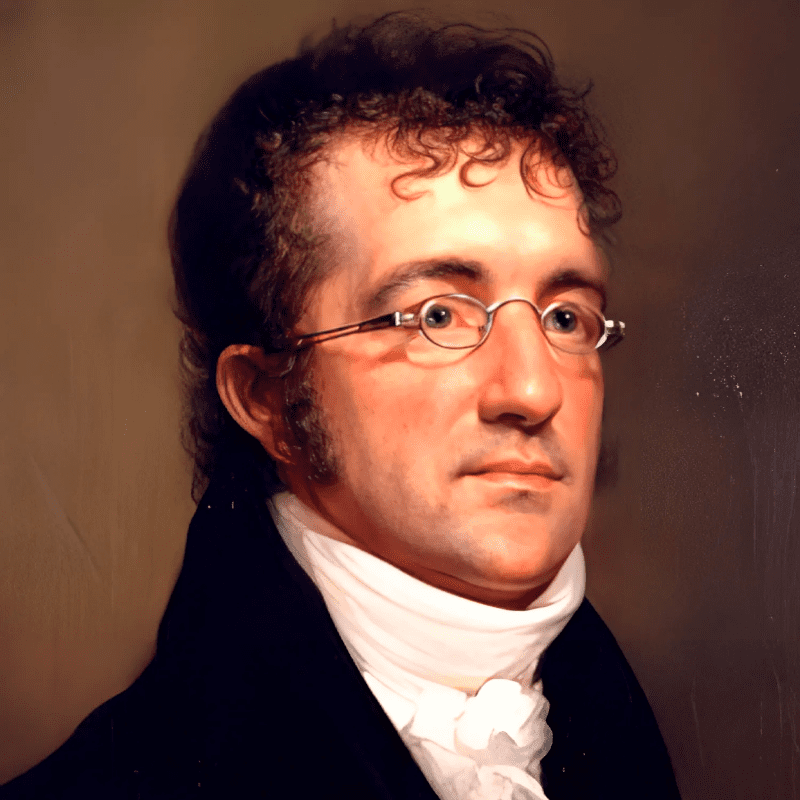

As you gaze upon Philadelphia’s grand architecture day after day, a natural curiosity about its creators might arise. This article delves into the life and work of architect Benjamin Henry Latrobe. Though not born in America, his contributions to the culture and beauty of Philadelphia, and many other cities, are immeasurable. His designs continue to bring aesthetic pleasure not only to professionals but also to everyday admirers of beauty. Read more at iphiladelphia.net.
Family and Descendants’ Role in History
The future renowned Anglo-American architect was born on May 1, 1764, in Fulneck, England. He gained his American roots from his mother, who later instilled in him a profound love for the country. Latrobe’s mother, Anna Margaretta Antes, was born in the American colony of Pennsylvania. However, she also inherited German and Dutch ancestry from her parents. She didn’t remain in her homeland, though. Her wealthy landowner father believed his daughter should leave home and pursue an education in England, where she would later meet her husband and settle permanently.
Benjamin’s father, Reverend Benjamin Latrobe, was a prominent leader in the Moravian Church. He also gave his son another branch of roots: French. Latrobe Sr. had many friends among the country’s upper echelons of society. He championed the idea that education was vital, as were scholarship and the value of knowledge exchange.
The family had another son, Christian Ignatius Latrobe, who later became a Moravian leader and music composer. However, the brothers weren’t the only famous personalities in the family. The future architect’s children, grandchildren, and even a nephew climbed high on their career ladders.
One son, Benjamin Latrobe II, chose to follow in his father’s footsteps, working as a civil engineer. In 1827, he joined the newly formed Baltimore and Ohio Railroad. Later, he designed its longest and most complex bridge, built on the initial route.
Another son, John H.B. Latrobe, became an equally influential figure in society. He was a well-known civic leader, lawyer, writer, historian, and occasionally worked as an architect. But he didn’t stop there. John eventually became a Baltimore, Maryland, parks commissioner. He also played a key role in co-founding the local zoo.
One of his grandsons decided to continue the family’s architectural legacy. Another raised his professional bar, leading him to serve as Mayor of Baltimore a remarkable seven times. He also chose to honor his family’s memory by naming parks after them in South Baltimore and New Orleans.
Latrobe’s Education
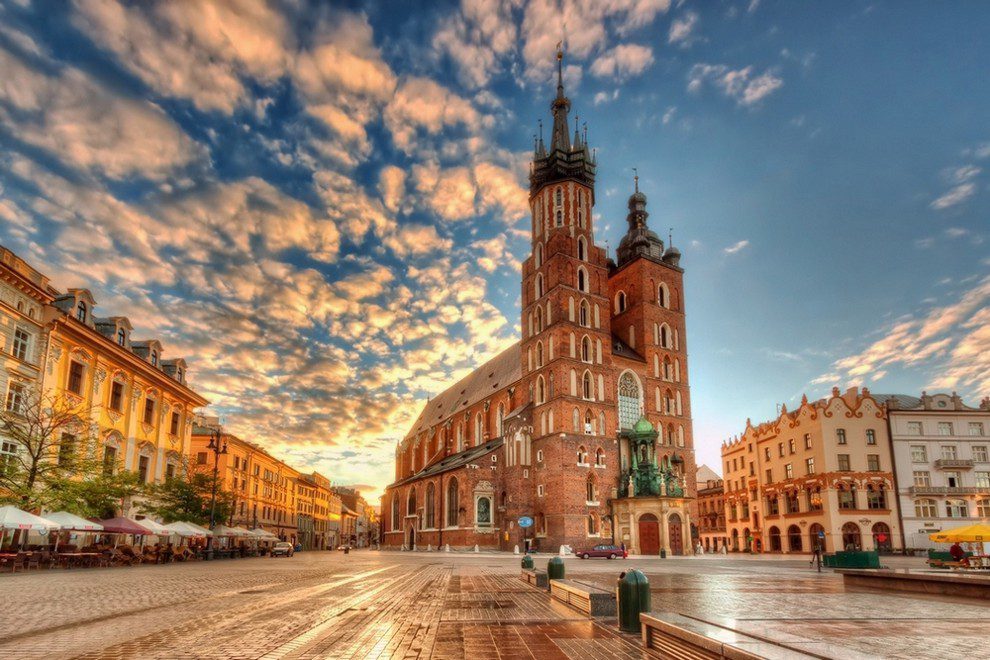
Latrobe’s passion for creating beauty emerged at a young age. Even as a child, he drew landscapes and buildings. When he was 12, he was sent to study at a Moravian school, which required him to move to Silesia, near the border of Saxony and Poland.
By the age of 18, Latrobe decided he wanted to explore different countries. His first stop was Germany, where he traveled for several months. Later, he chose to join the Prussian army, where the future architect enlisted.
However, Latrobe didn’t forget his desire to travel. He called his adventure “The Grand Tour,” which spanned different continents. During this journey, Latrobe visited eastern Saxony, Paris, Italy, and more. What he witnessed later shaped his unique architectural vision.
Through extensive travel, Latrobe not only satisfied his curiosity but also gained knowledge. By visiting so many countries, he mastered German, French, Ancient Greek, and Modern Greek. Later, the architect added Latin to his repertoire. However, he wasn’t as fluent in those languages as he was in Italian and Spanish. Hebrew was at the bottom of his linguistic hierarchy.
Return Home and Career Beginnings
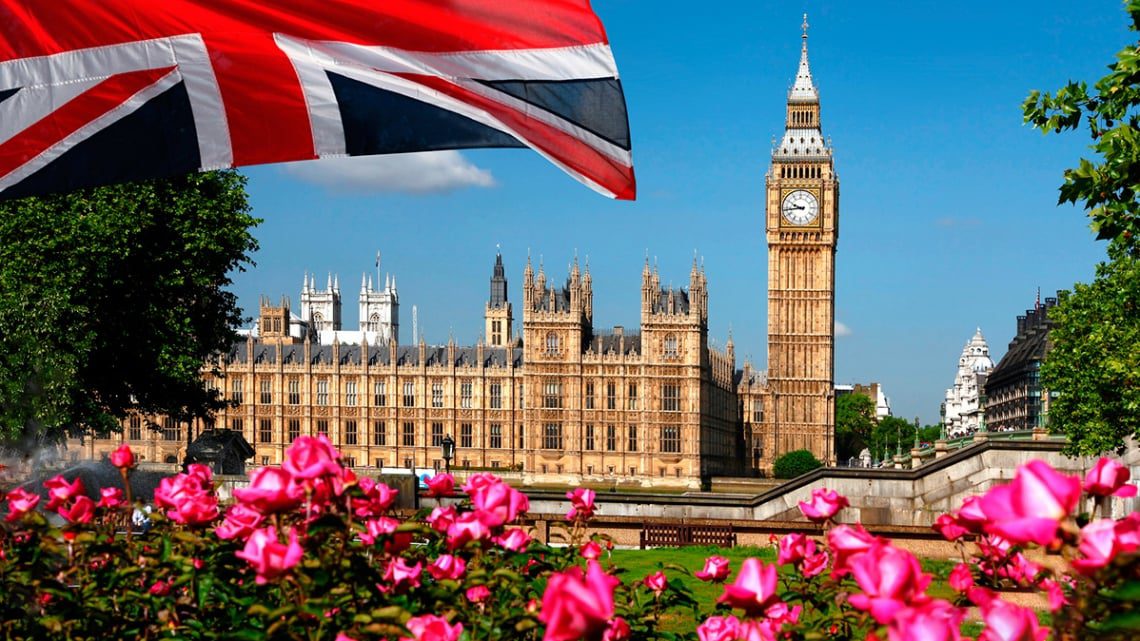
Latrobe made his way back home, returning to England in 1784. In his homeland, he focused on further professional development. That same year, Benjamin became an apprentice to John Smeaton, famous for designing the Eddystone Lighthouse. In 1787, Latrobe secured a job in the office of a neoclassical architect, where he also gained valuable knowledge. Benjamin concluded his collaboration there in 1788.
Starting in the 1790s, Latrobe’s career as a professional architect took off. In 1790, he was appointed Surveyor of the Public Offices in London. Then, in 1791, he went all-in and established his own independent private practice. The following year, he received his first commission: to design Hammerwood Lodge. This officially marked his debut solo project, where the architect had the opportunity to showcase all the skills he had acquired up to that point.
Initially, things went quite well. In 1793, he received a large commission to plan improvements for the Blackwater River. The authorities wanted the port of Maldon to be able to compete with other shipping lanes. Work on the project continued until 1795. However, at that point, everything stalled as the authorities refused to approve Latrobe’s plan. Later, problems arose with getting paid for the work completed, which ultimately led to his bankruptcy.
Emigration and Work in Philadelphia
In 1795, Latrobe faced incredibly difficult times. Besides his bankruptcy, his wife had died in childbirth in 1793. All these unfavorable life events led the architect to a nervous breakdown. Contemplating radical changes, Benjamin decided to emigrate to America.
The journey was arduous, lasting a full four months. But beyond the long voyage, the ship suffered from a lack of provisions, leading to near starvation. Nevertheless, Latrobe eventually reached Norfolk, from where he began his quest for a new start. This location marked the beginning of his professional journey in America.
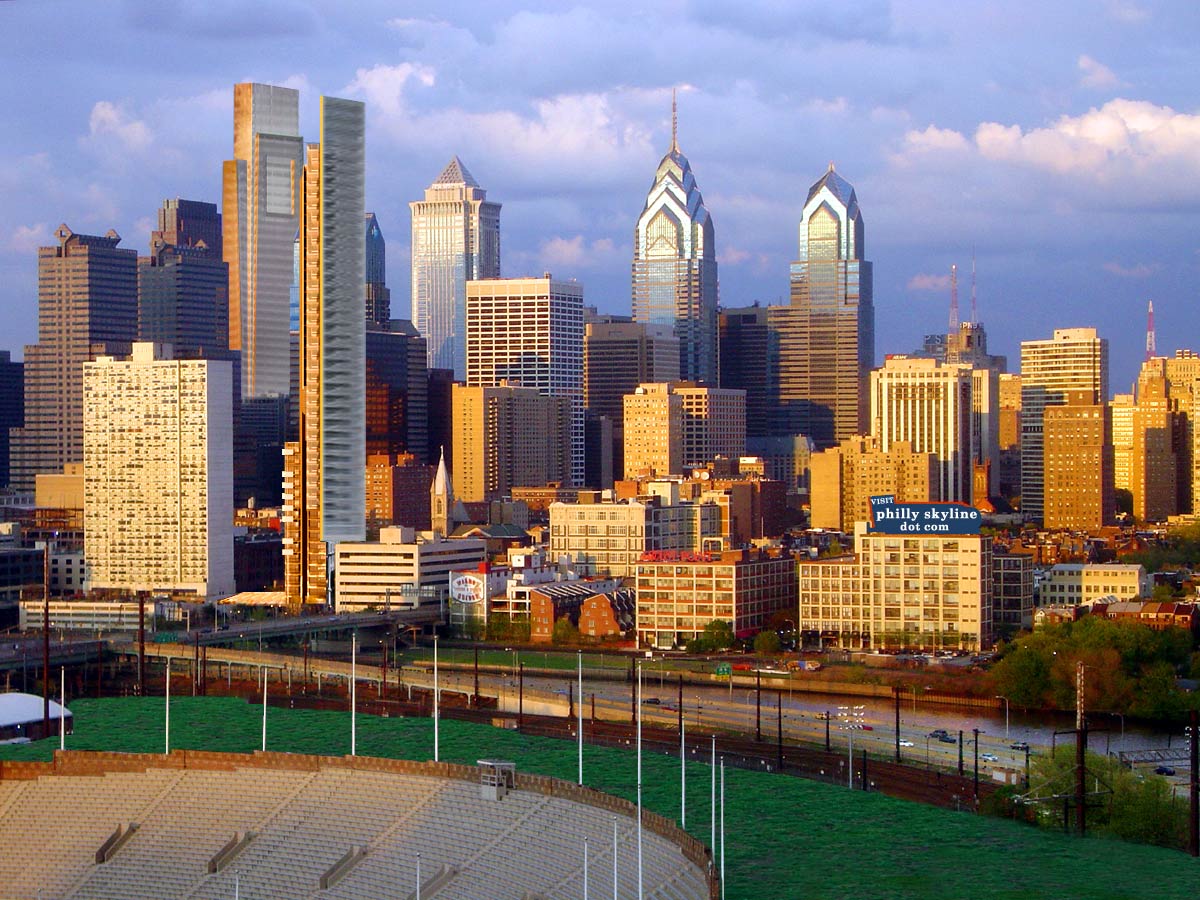
In April 1798, Benjamin visited Philadelphia for the first time. However, he didn’t stay long, as the city’s political climate wasn’t particularly favorable. Latrobe didn’t care for the atmosphere. Yet, he was soon offered a major project in Philadelphia: the Bank of Pennsylvania. This work later became the first example of Greek Revival architecture in America.
The successful completion of the Philadelphia project convinced Latrobe to establish his practice in the city, which later helped him build his reputation. After that, work flowed in quickly. He was hired to design the waterworks at Centre Square. Latrobe developed a pumping station, also in the Greek Revival style, and drew up plans for the Bank of Philadelphia.
Latrobe decided not to remain in Philadelphia but to lend his expertise elsewhere. This led him to Washington, D.C., where he became the Surveyor of Public Buildings of the United States, overseeing the construction of the U.S. Capitol. In June 1812, work on the building halted due to the War of 1812 and the bankruptcy of the First Bank of the United States. But later, after the fighting ceased, the architect resumed his work. However, he received a new task: to reconstruct the Capitol, which had been damaged by the war. This gave the architect more freedom to incorporate his ideas and vision for the building’s interior design.
Final Years
On November 20, 1817, Latrobe made a difficult decision: to resign from his current position. However, he didn’t know then that this would lead him into a challenging period. The architect faced difficulties without a large, lucrative project. Latrobe lost his fortune and went bankrupt.
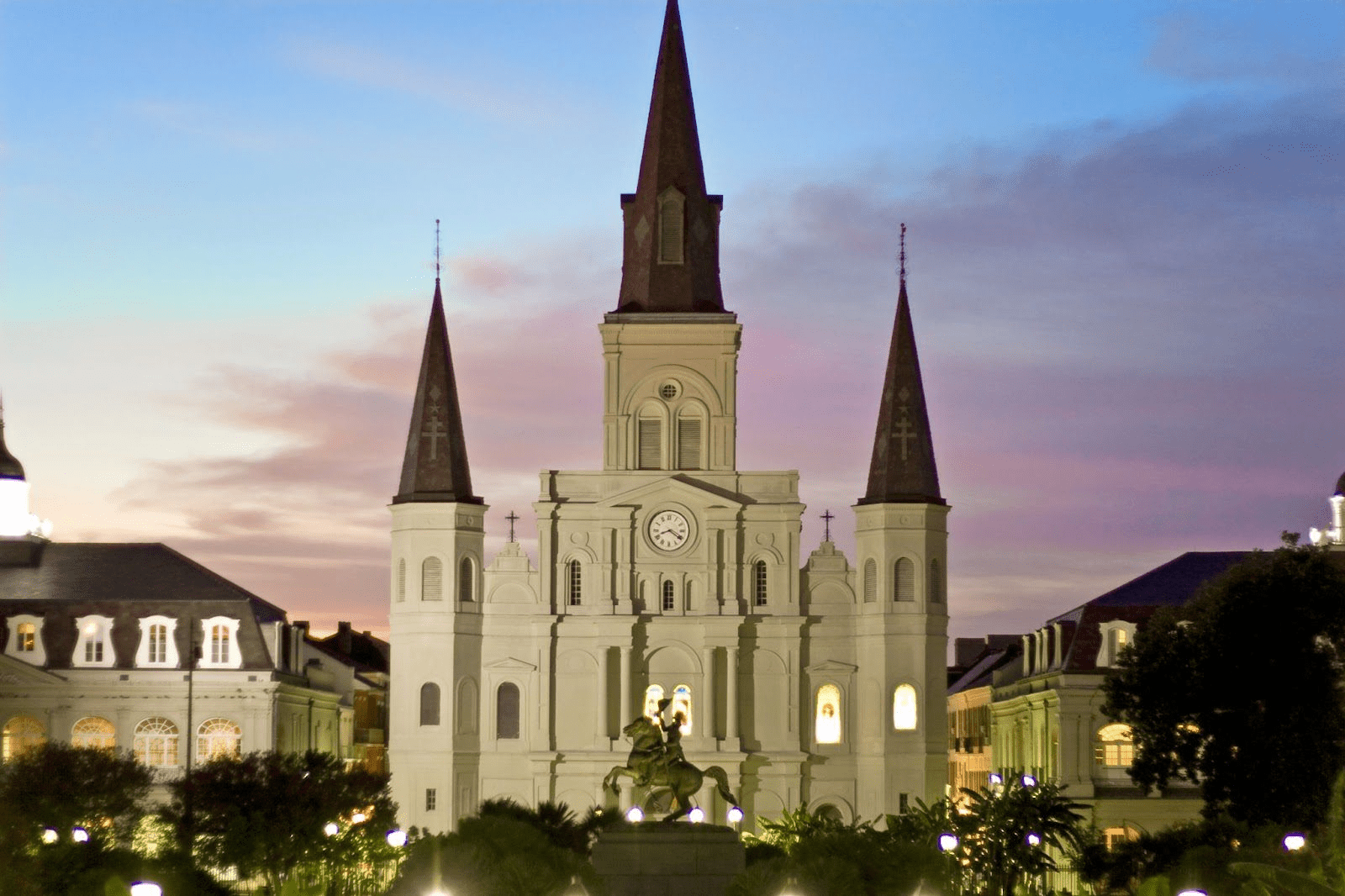
His last work was the design of the central tower of St. Louis Cathedral. Death came for the famous architect in the form of yellow fever. This occurred on September 3, 1820. He was buried next to his eldest son, who had passed away three years earlier from the same disease.