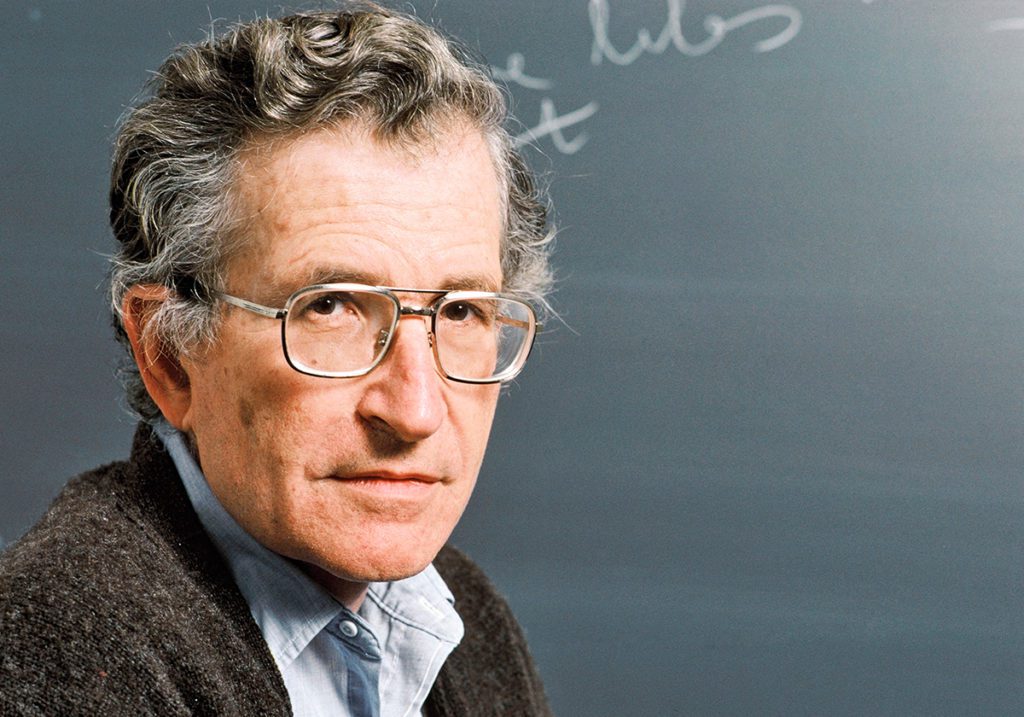

In the world, few linguists and political figures command the attention that Noam Chomsky does. He’s a towering figure in academia and science, widely recognized as one of the founders of modern linguistics. Not everyone agrees with his views, and sometimes his opinions clash with reality, as seen in his justification of Russia’s aggression against Ukraine. Yet, despite these contentious points, it’s impossible to deny his immense historical contribution to the humanities. Find out more at iphiladelphia.net.
Chomsky’s Early Life
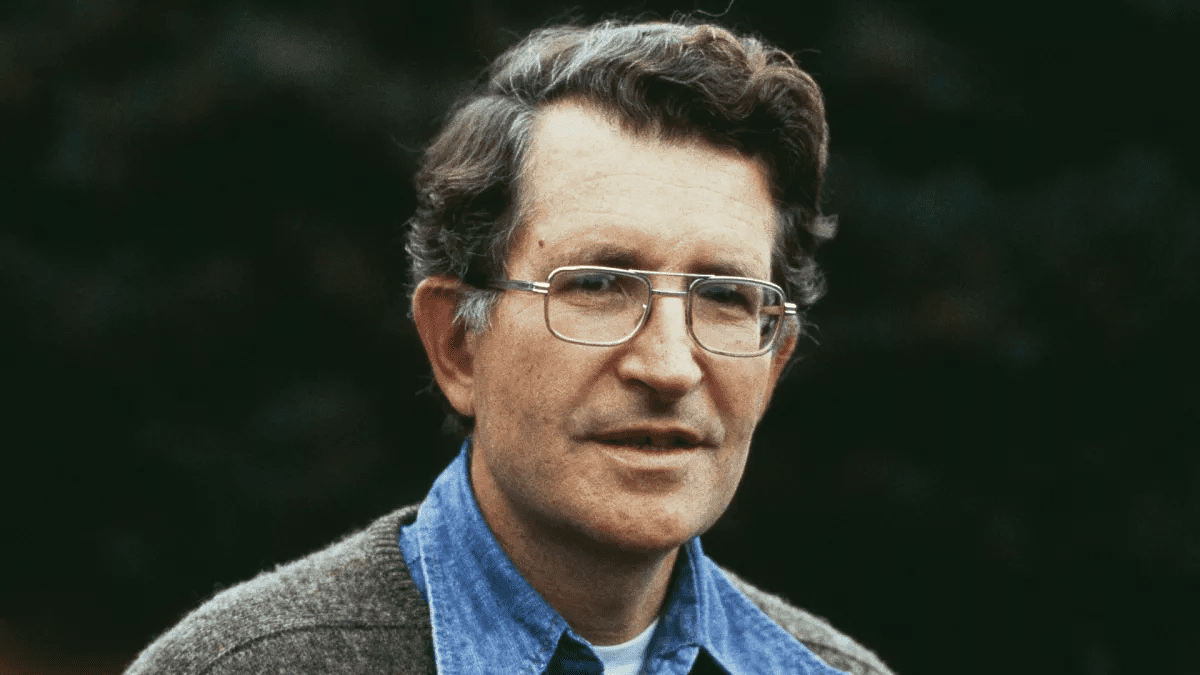
On December 7, 1928, a new resident named Noam, an unusual name, arrived in Philadelphia. His father, the renowned Hebrew scholar William Chomsky, hailed from Khmelnytskyi Oblast, Ukraine. His mother, Elsie Simonofsky, had Belarusian roots. While Hebrew was his parents’ native tongue, they didn’t speak it at home.
Noam’s knack for linguistics showed itself quickly; by 1945, he began studying linguistics and philosophy. He pursued his education at the University of Pennsylvania in Pittsburgh, learning from respected figures like C. West Churchman, Nelson Goodman, and Zellig Harris.
Most of the research he conducted before earning his Ph.D. took place at the prestigious Harvard University. Noam started to disseminate and develop his linguistic views and ideas in his doctoral dissertation. He later expanded on his thoughts in the book “Syntactic Structures,” which became his most famous work in the field.
Teaching Career and Political Activism
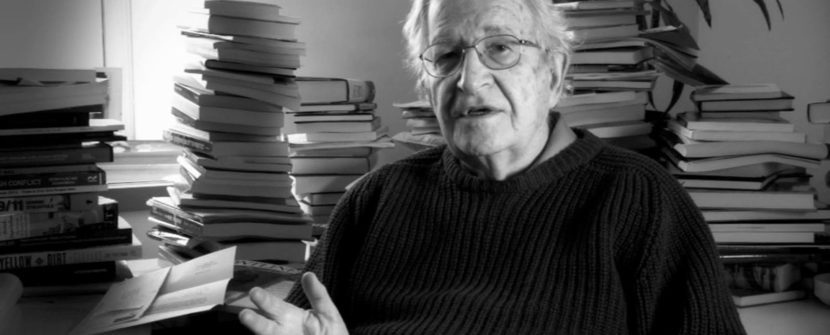
After earning his Ph.D., Noam Chomsky embarked on a teaching career. He joined the Massachusetts Institute of Technology (MIT), where he would remain for an impressive 59 years.
Around the same period, Chomsky also began his political activism. Starting in 1964, he was a prominent voice against America’s involvement in the Vietnam War. In 1969, Chomsky even released an essay collection titled “American Power and the New Mandarins,” directly addressing the Vietnam War, a critical issue he simply couldn’t ignore.
His political views garnered attention, forcing others to take notice not just of his ideas, but of him personally. Naturally, not everyone appreciated his stance. While the left generally shared and supported Chomsky’s perspective, he also received an incredibly large amount of criticism from others. However, his political position never impacted his teaching career, which he continued uninterrupted for decades.
Contribution to Linguistics
Chomsky’s work “Syntactic Structures” had a profound impact on the field of linguistics. It’s considered his most significant contribution to theoretical linguistics. By the end of the 20th century, his work had a major influence on the development of language science, not just in specific regions, but worldwide. Many scholars turned to his theories.
Over time, naturally, the theory began to undergo changes. However, the core structure of the idea that formed the basis of his work remained forever constant. All of Chomsky’s theories have undeniably had a huge impact on every scholar in this field, especially those researching the process of language acquisition in infants.
Of course, no theories, even from brilliant minds, go unchallenged. This is due to differing perspectives on certain human processes, but denying the possibility of solving linguistic questions is simply unrealistic.
Critic of American Politics
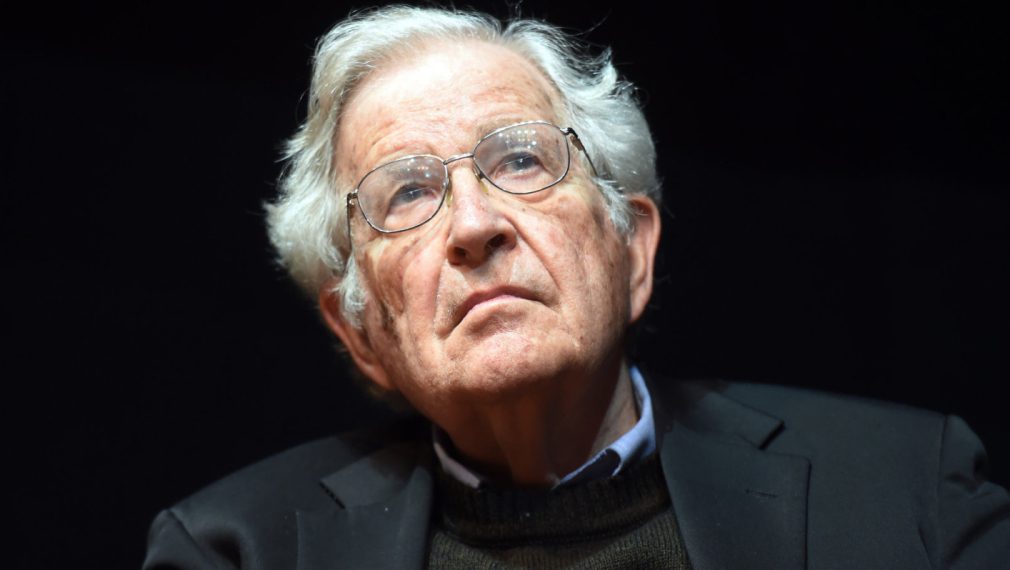
Over his many years in the political arena, Chomsky identified what he saw as flaws within the U.S. government. According to Chomsky, two things particularly draw his attention. First, he focuses on his own country and government. As an American citizen, his criticism carries more weight, as he has every right to express dissatisfaction. The second reason is that in the modern world, the U.S. has become the sole superpower, which, in his view, leads to a rather aggressive foreign policy.
He argues that every powerful nation desires to organize and reorganize the world to its own liking. This, in his opinion, was the case with the Vietnam War. He believes it happened because Vietnam exited America’s economic system, which no one in the government wanted to see.
However, in contrast to his aggressive statements about U.S. policy, he often speaks with great admiration about freedom of speech in the country. These thoughts can be found in both his books and interviews.
Statements on the Annexation of Crimea and Russia’s Full-Scale Invasion of Ukraine
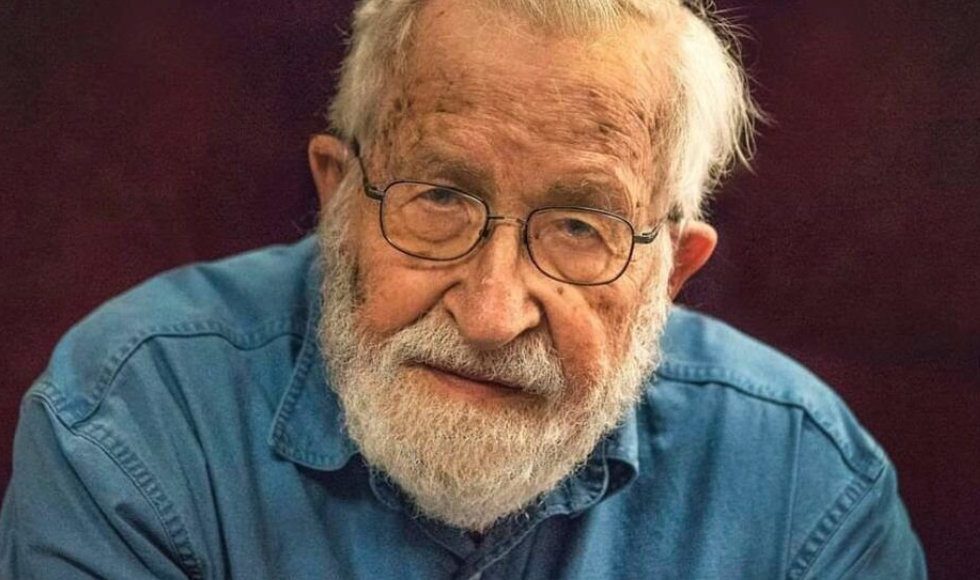
Perhaps no one can be fully knowledgeable or entirely correct on every issue. After Russia’s annexation of Crimea in 2014, Chomsky began to justify this crime. He referred to the aggressor country’s narratives, echoing the Russian playbook that Crimea has “always been theirs” and Sevastopol is a crucial strategic asset. These were indeed sentiments heard from Chomsky himself.
Why he adopted this particular stance is unknown. However, one theory suggests it stems from his aggressive views on U.S. policy. In this way, he aligns himself with America’s adversary, carrying out a personal vendetta against the White House.
Noam also explicitly stated that after Russia’s full-scale invasion of Ukraine, Ukraine should have immediately laid down its weapons. In his view, such fierce resistance would inevitably lead to World War III, followed by nuclear war.