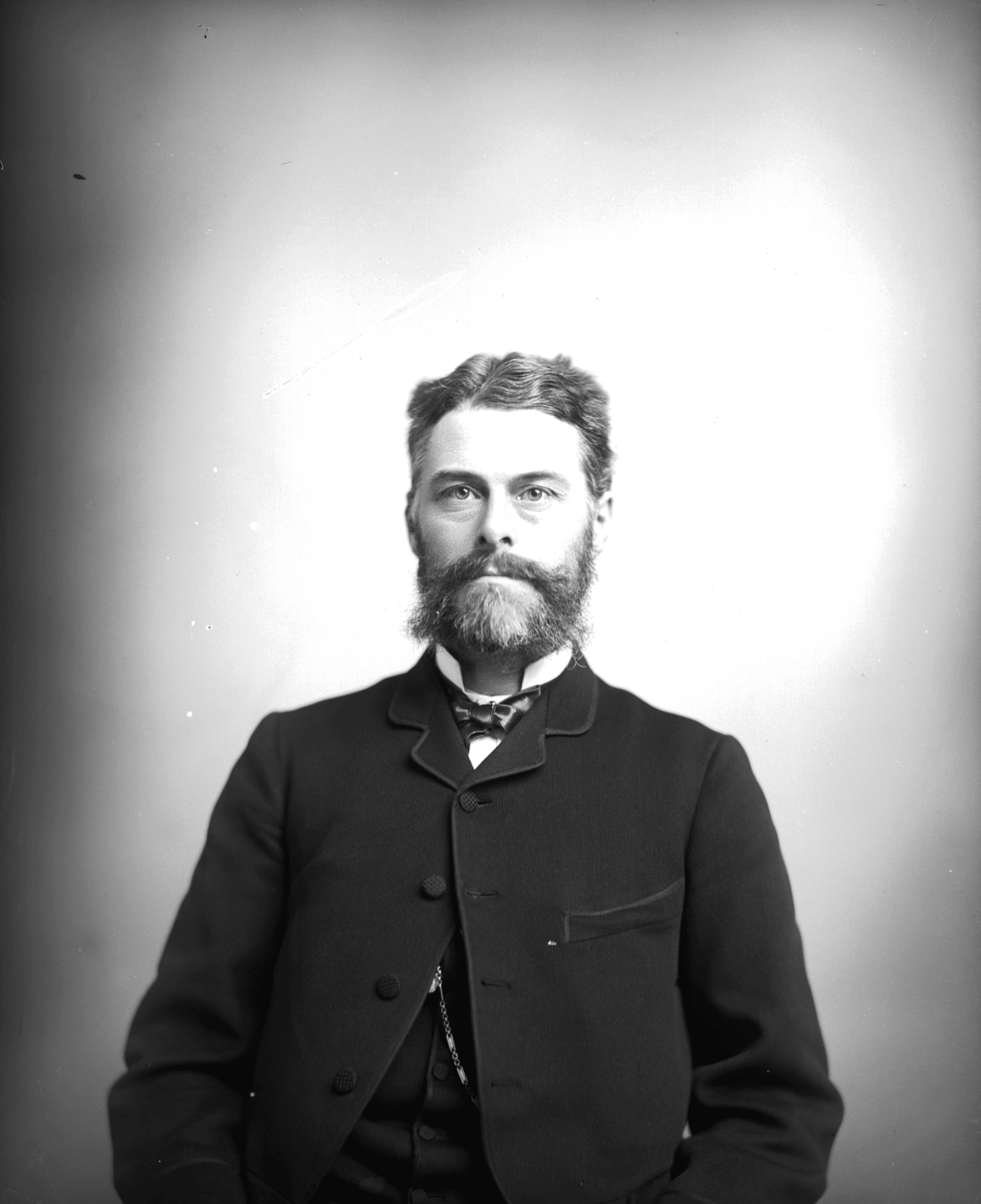

Throughout the history of mankind, many prominent scientists have made significant contributions to world development. Someone revealed to humanity that the Earth is round, and someone, such as Edward Cope, discovered different varieties of vertebrates, some of which existed long before the civilized world. Without each of these contributions, the modern world and human knowledge would not be the same as it is now. Find out more at iphiladelphia.net.
Early years and family
The future scientist was born on July 28, 1840, in Philadelphia, Pennsylvania, United States. He was the eldest child of Alfred and Hanna Cope. Edward’s ancestors were of English origin. Oliver Cope was the first to set foot on the American continent in 1683, so the family began to settle down in the United States. The ancestor was an ordinary tailor from Avebury, but he happened to get 250 acres of land in Delaware. This city became his new home, and as a result, the future generations were able to contribute significantly to the formation of the American state.
Edward’s mother died when the boy was only three years old. Later in his letters, he stated that he had no memories of her. As a result, her death had little effect on the young man. Rebecca Biddle was the one to perform the role of his mother. He spoke warmly of her, as did his half-brother, James. The boy’s father, Alfred, was a reputable businessman. He ran a shipping business that he inherited, which was established in 1821. Alfred made donations to Quakers, of whom he was a member, as well as to the Philadelphia Zoological Gardens and the Institute for Colored Youth. This is one of the primary reasons why the Cope name is respected in society.
Edward was born in Fairfield, an incredibly beautiful and large stone house. Parents wanted to educate their children from early years, so they taught their kids to write and read from a young age. The boy saw and admired the world from a young age, thanks to frequent travels to New England. However, nature was not the only thing in Edward’s life. He was also a frequent visitor to museums, zoos and gardens. Probably, such a formative experience instilled in him a desire for knowledge. However, his fascination with the animal world appeared in early childhood.
Education
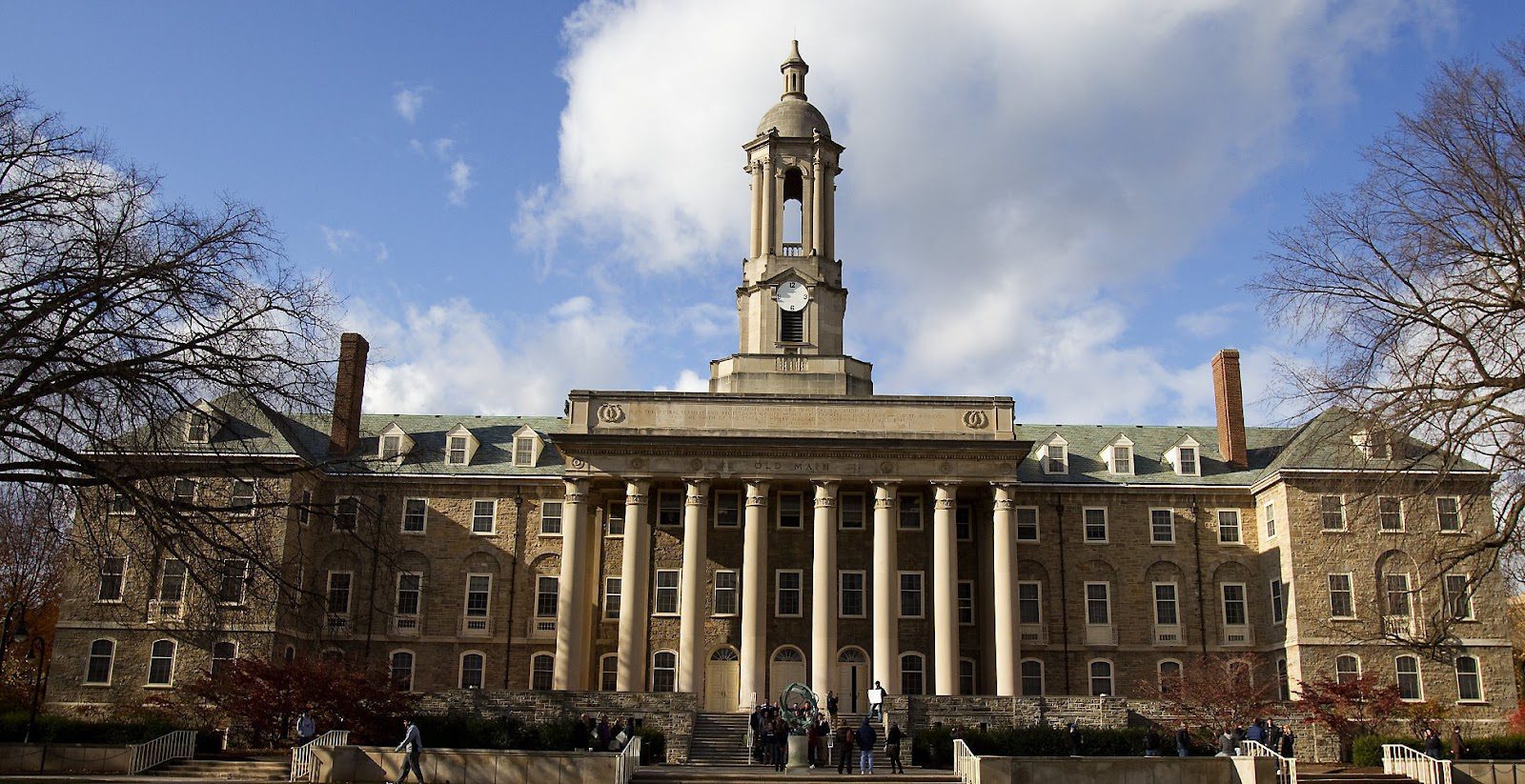
His father wanted his son to receive the same education as him. So, at the age of nine, the child was sent to a day school in Philadelphia, and at twelve, he began attending the Friends’ Boarding School at Westtown, Pennsylvania. However, he felt strange being away from home for the first time. In letters to his father, the young man complained about feeling lonely within the confines of temporary housing. However, studying at this institution was worth the time away from home, especially since it educated a large portion of the Cope family. On the other hand, his father spent a significant amount of money on his education each year – $500. Then again, these funds were an investment in the young man’s knowledge. During his first year, he studied algebra, chemistry, scripture, physiology, grammar, astronomy and Latin. According to his biographer, Jane Davidson, the man was somewhat indisciplined. This was evident in the evaluations he obtained for his behavior. Frequently, it was “less than perfect” or “not quite satisfactory”. Edward was not one of the diligent students. He did not sit around studying lessons or penmanship.
Desire to be a scientist
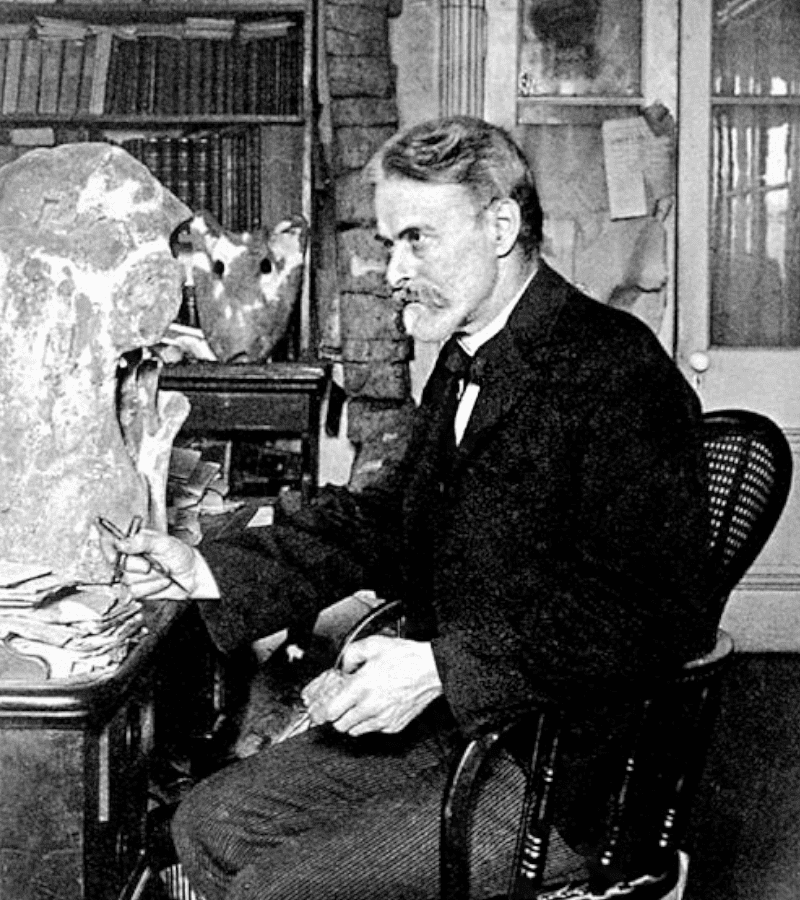
While in school, he became interested in biology and spent his free time studying publications on natural history. The man attentively studied only what he was interested in, not what the school offered. While studying at the institution, he frequently attended the Academy of Natural Sciences, but after the holidays in 1856, he did not return to classes. His father wanted Edward to be a well-respected gentleman. So he purchased him a farm where he could develop his farming skills. Alfred saw this occupation as beneficial because it could provide a good living in the future. However, the young man did not share his father’s opinion. He described this job as incredibly boring. Edward frequently expressed his desire to pursue a more professional, scientific career. However, for a while, he continued to follow his father’s directives. Yet, this did not prevent him from completing his education, even on his own.
In 1858, however, Edward found himself in a scientific environment. He began working part-time at the Academy of Natural Sciences. The group was working on cataloging and reclassifying samples. In 1859, after gaining some knowledge on his own and at work, he published his first series of research findings. Looking at his son’s ambitions and first steps into the scientific community, the father struggled for a long time to fight Edward’s desire, but he still paid for all of the man’s whims. The young man had a strong ambition to advance his career, so he chose to rent out the gifted farm where he was supposed to become a farmer. The reasoning behind this decision was that by renting out the space, he would be able to make enough money to fund his future research.
Pursuing a career in science
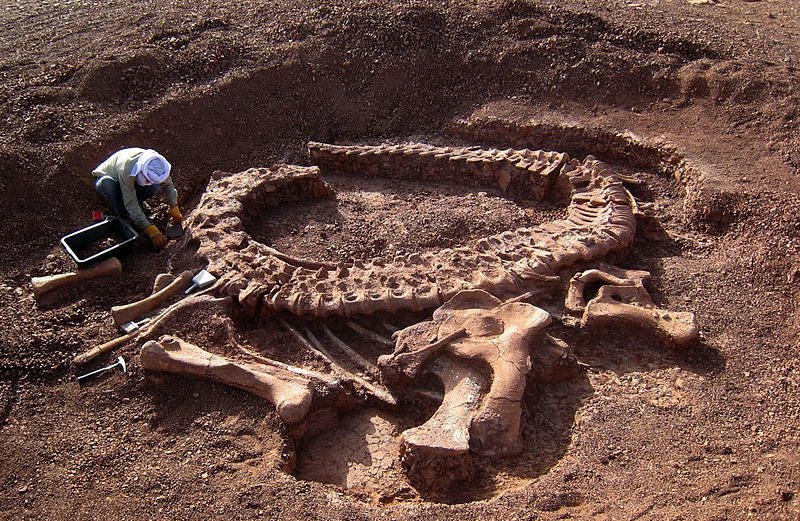
In the end, under the pressure of his son, the father eventually gave in and paid for his son’s university tuition. It was the University of Pennsylvania. There, Edward began studying comparative anatomy under the careful supervision of Joseph Leidy, one of the most renowned anatomists and paleontologists of the time. To learn more about scientific discoveries, articles and works, the man began studying French and German.
In 1861, the classification of salamanders became his first publication on amphibians. After that, he spent 5 years writing materials primarily about reptiles and amphibians.
Travel and future career
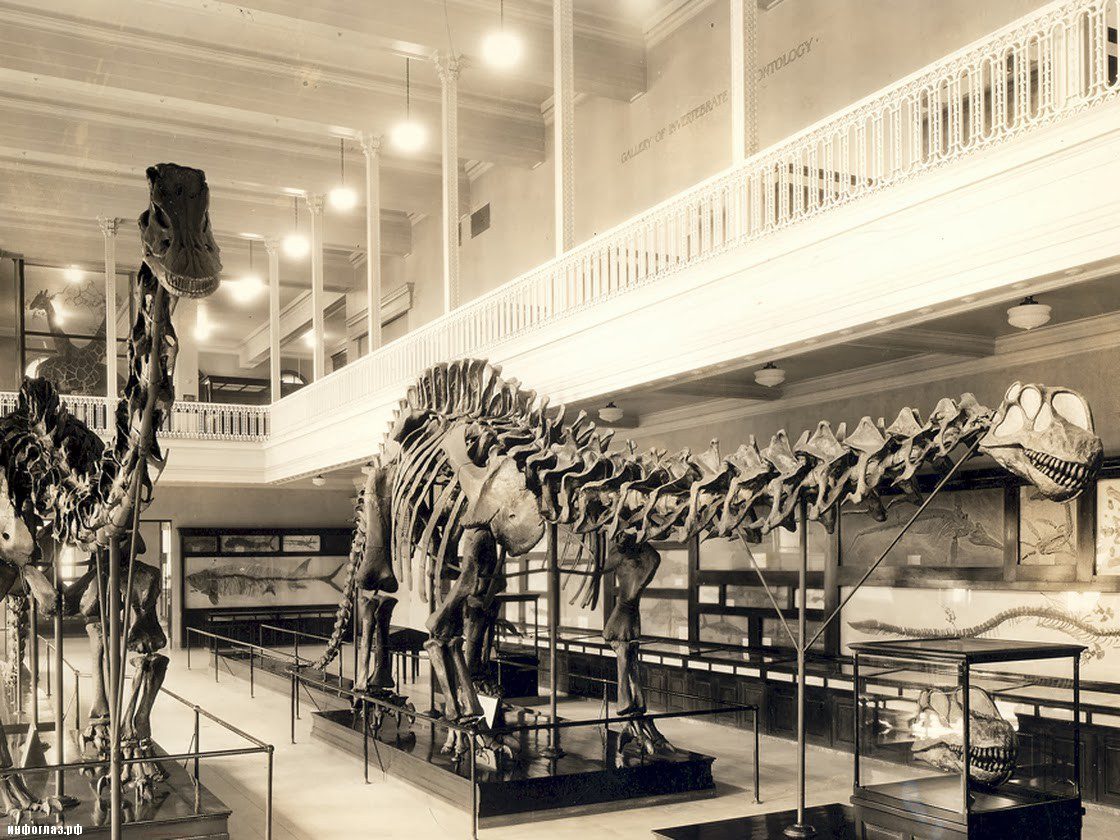
During the Civil War in his country, Edward left and traveled to Europe. He visited many exquisite places, including the most notable museums and clubs. In addition, the man took advantage of the opportunity to meet prominent figures of the scientific world. In 1864, he had already described the species of fish, whales and amphibians. This was his first contribution to the paleontology field.
Edward began to travel very actively around the world. These were the country’s western regions, continental trips and visits to numerous caves around the region. During his travels, he was primarily concerned about where he could acquire funding to continue and extend his scientific work. He even attempted to persuade his father to finance it. However, he declined, which led to the farm’s permanent sale since the lease did not provide the scientist with enough money. Throughout his expeditions, he brought home large boxes of fossils and other artifacts. It ultimately came down to the fact that he needed to acquire another house so that all of the relics could be stored somewhere.
During his lifetime, the scientist discovered and classified approximately 1,000 species of excavated vertebrates, including dinosaurs. There were around 600 new individual titles published for the findings. He cataloged 300 fish species and an equal number of reptiles. Even after his death on April 12, 1897, he continued to contribute to science. Edward Cope willingly offered his body for research. His remains are preserved as scientific material. For example, the brain was donated to the American Anthropometric Society, the skull to the University of Pennsylvania Museum of Archaeology and Anthropology and the bones were removed and stored in a compartment for anatomical students to study.