

In the 19th century, Philadelphians loved to go sledding. Adults and children alike were undeterred by the fact that the only way to steer the sleds of the era was by dragging their feet. Everything changed thanks to Samuel Leeds Allen, the inventor of the steerable “Flexible Flyer” sled.
Born and raised in Philadelphia, he showed a passion for inventing from a young age. His company initially produced lawnmowers and agricultural equipment, but it was his development of the steerable sled that brought him true fame. Learn more at iphiladelphia.net.
Samuel Allen’s Childhood Passion

Samuel Leeds Allen was born on May 5, 1841, in Philadelphia. From a young age, he was fascinated by various mechanical devices. The boy’s father was a pharmacist, so he conducted his first experiments in the pharmacy. He later began building kites and improving telescopes, alarm clocks, and ice skates.
In the winter, Samuel often skated on the Schuylkill River and built snow hills with his friends for sledding. In those days, American children mostly built their own sleds or bought simple models with runners. In either case, there was no steering mechanism. However, frequent snowstorms and imperfect sleds didn’t stop the children from having fun. Samuel Allen held onto this passion for winter sports his entire life, which is why he later dedicated himself to improving the sled.
From Amateur to Professional Inventor
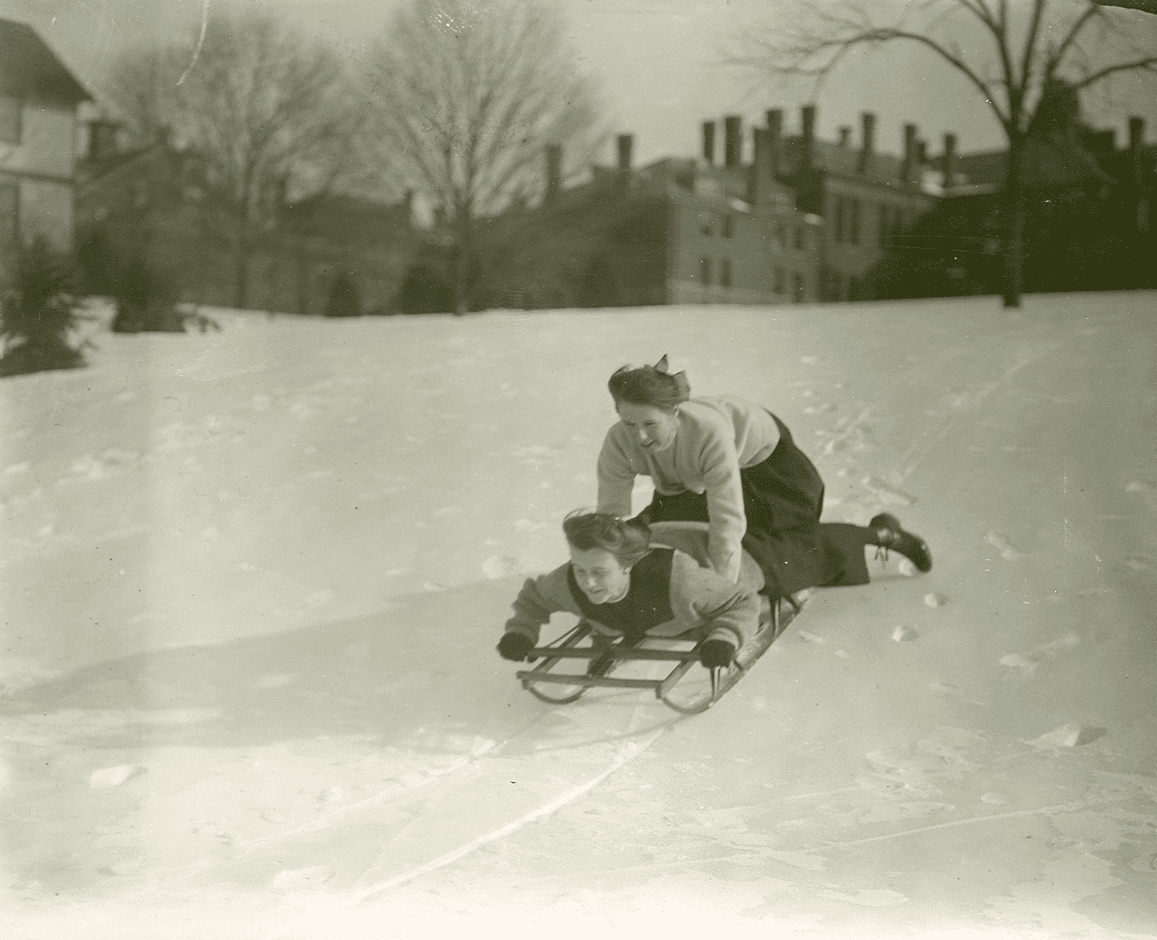
The young man’s formal education ended at age 14. He showed little aptitude for theoretical studies, so after leaving school, he gladly went to work on a relative’s farm in New Jersey. In 1861, his father’s farm, located near Westfield, was transferred into his ownership. He married Sarah Hooten Roberts, and the couple had six children. His wife fully supported Allen’s inventive spirit, and for good reason.
In September 1866, he first showed her a device designed for spreading fertilizer. Allen later developed a seed planter and founded his own company, “S.L. Allen & Co.,” with headquarters in Philadelphia. He began producing agricultural tools and machinery, developing his marketing and advertising skills along the way. The inventor presented his goods at fairs and pitched them to farmers’ associations. He also used print advertising and achieved commercial success. A key factor in his success was his commitment to protecting his intellectual property by obtaining patents.
Within his family circle, Samuel Allen was also constantly tinkering, mostly making things for his children, such as:
- A “pill gun.”
- Darts made from apple shoots.
- Willow whistles.
- Sturdy kites.
In the winter, the entire family would go sledding. Allen even built slopes and tracks for them to ride on. It was here that he began experimenting with improving the sled. At first, he was driven by curiosity and his childhood passion, an enthusiasm his children shared. However, this idea was destined for a commercial future.
Developing the Steerable Sled

Allen loved sledding and became seriously invested in developing new designs. At the same time, he had a business reason for pursuing this line of work. Demand for agricultural tools was unpredictable. Farmers typically waited until they had earned a profit before placing orders for equipment. Because of this, Allen’s company had virtually no work during the summer and even shut down completely for the summer months. Then, as orders surged, he would have to find workers and persuade them to work overtime.
Therefore, creating a new product line could significantly help the business, and Allen decided to focus on sleds. Their components, such as metal trusses, a steering lever, and a wooden seat, were also used in his line of cultivators. His employees already had the skills to manufacture such equipment. Producing sleds seemed like the perfect solution. All that was left was to design a new model.
His first patented sled was the “Fairy Coaster” in 1887. It was designed for three people, featured a plush seat, and had steel runners steered by a complex front pivot system. A lever-operated braking system was also included. However, it cost a staggering $50—the equivalent of a month’s wages for the average Philadelphia worker. A high demand was out of the question.
Allen then tried to make a cheaper sled. He removed the braking system, replaced the four runners with two, and changed the frame. This model turned out to be too small and not fast enough. Interestingly, the sleds were tested by his children as well as by schoolchildren to whom he sent models.
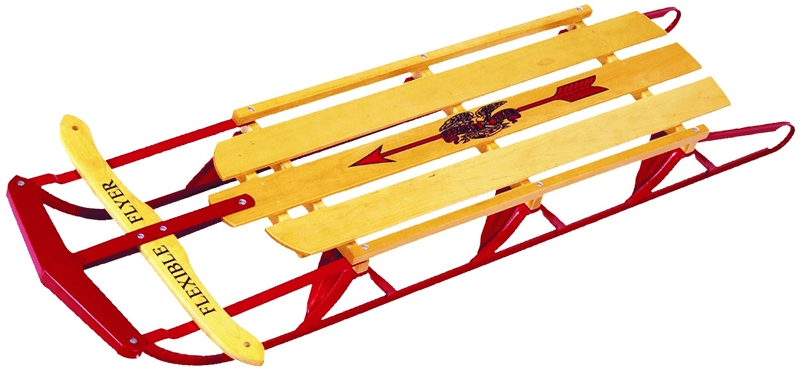
Finally, in 1888, the inventor created the “Flexible Flyer.” This sled had a slatted seat on a pair of steel runners, each split in the middle by a pivot. The rear sections were fixed, while a steering bar was attached to the front of the runners. This bar guided the sled left or right. As it turned, the flexible front section carved a path through the snow, making movement easier. This model combined speed, maneuverability, and durability at an affordable price. Allen patented it immediately.
The Path to Success
All the children who tested Allen’s new sled model were thrilled. However, retailers were hesitant to stock it. The sled looked too strange and different from the usual models. Sales in the early 1890s were low. The inventor was even advised to sell the patent, but he didn’t give up, and soon, a turning point arrived.
The fact was, the culture of sports in the United States was beginning to change. Sports like tennis and golf became popular. Ice skating and sledding grew more widespread. The wealth of the middle class was increasing, the work week was shortening, and child labor was being restricted. People had more leisure time, and sports were actively promoted. As a result, sales of sports equipment like balls, rackets, clubs, skates, and sleds began to grow.
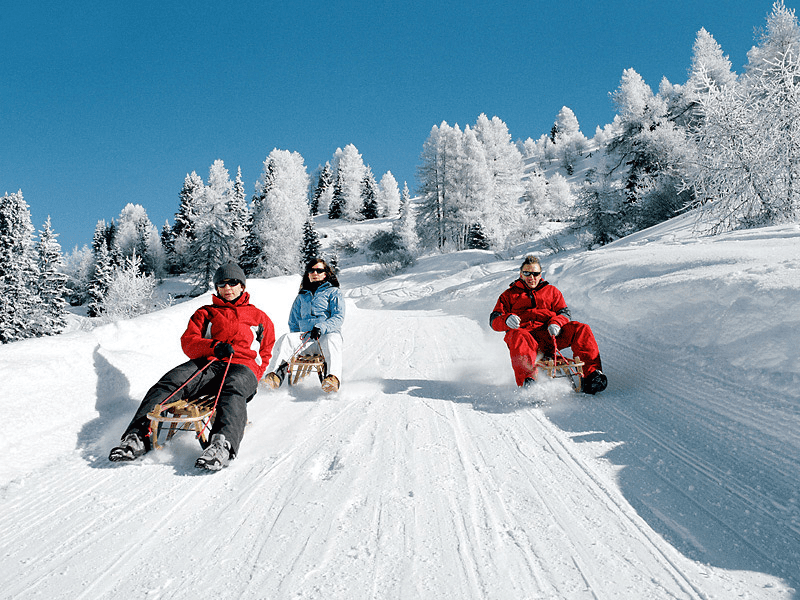
Allen immediately seized this opportunity. He began investing in advertising for his new sled model. These expenses paid off quickly. Sled sales skyrocketed, and the patent turned into an extremely valuable asset. The inventor went on to obtain many more patents related to the “Flexible Flyer,” as well as protection for his trademark and advertising slogan.
By the 1910s, his steerable sled had become the most famous brand on the market. Customers instantly recognized it both in stores and on snowy hills. It was an amazing commercial success. At the same time, it revolutionized sled steering and, consequently, the experience of sledding itself. It became significantly faster, more comfortable, and safer. Samuel Allen and his children rejoiced in this invention no less than in its market success.
Over the course of the 20th century, Allen’s company and its assets were gradually sold off and disappeared from the market. As agriculture industrialized, Allen’s farm implements were surpassed by newer, better designs. In the end, only the famous “Flexible Flyer” sled and its two trademarks remained. They are still active today and are registered to Paricon LLC. This family business continues to produce and sell the steerable sled model designed by Samuel Allen.