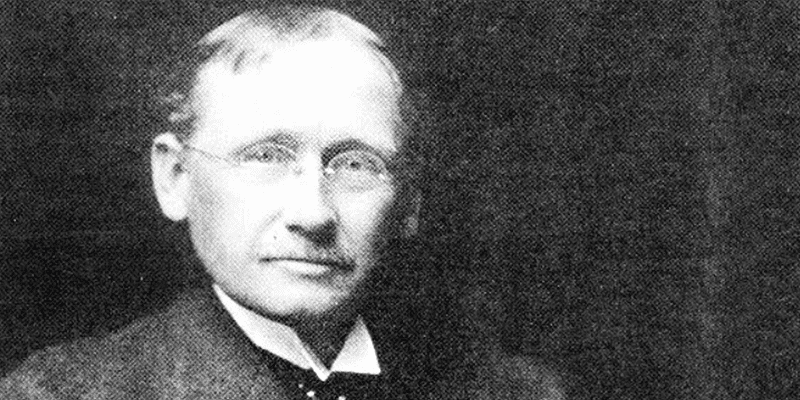

Some individuals become renowned in the fields of management and industrial organization, and Frederick Taylor stands as a prime example. His contributions aren’t always obvious; they’re woven into the fabric of modern industry. Yet, his impact on industrial development and labor productivity is immense and profoundly affects contemporary life. Learn more at iphiladelphia.
Childhood and Development
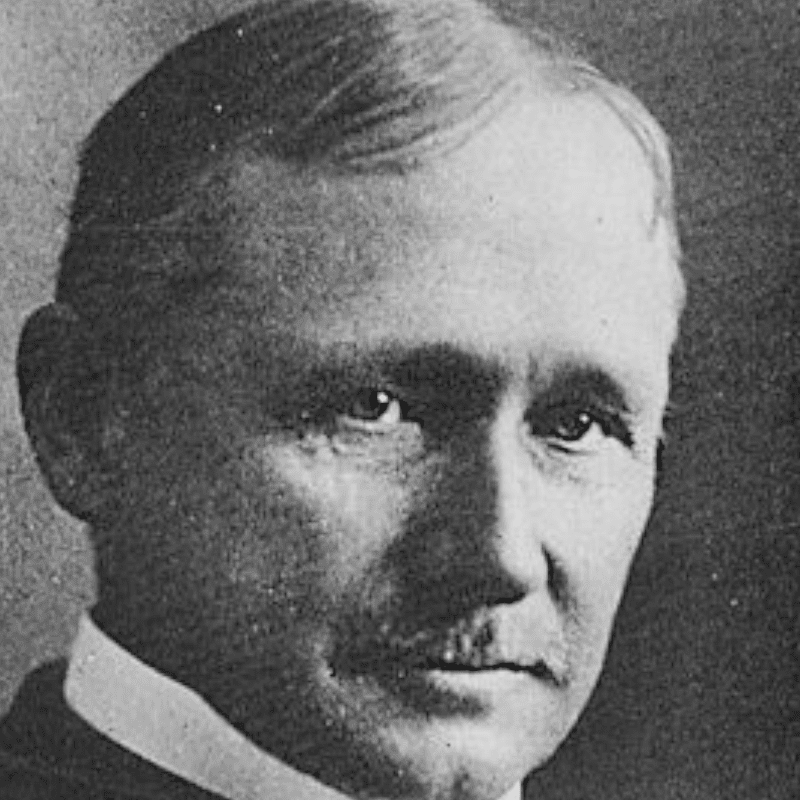
The future pioneer was born on March 20, 1856, in a suburb of Philadelphia, Pennsylvania. He came from a well-to-do family. Frederick’s father, Franklin Taylor, earned a law degree from Princeton University and later amassed his wealth through mortgage lending. His mother, Emily Taylor, was a staunch abolitionist who also worked with Lucretia Mott.
Frederick started his education quite early. He spent two years away from home, studying in France and Germany. Thanks to his family’s wealth, his parents could afford the best institutions, and this investment later bore fruit.
In 1872, at just 16 years old, the young man enrolled at Phillips Exeter Academy. Frederick aimed to pass the Harvard entrance exams afterward, as he wanted to be a lawyer like his father. Just two years later, in 1874, he passed the exams with distinction. However, fate took the young man in a completely different direction. It’s said that due to deteriorating eyesight, Frederick chose an alternative career path.
A Career Shift
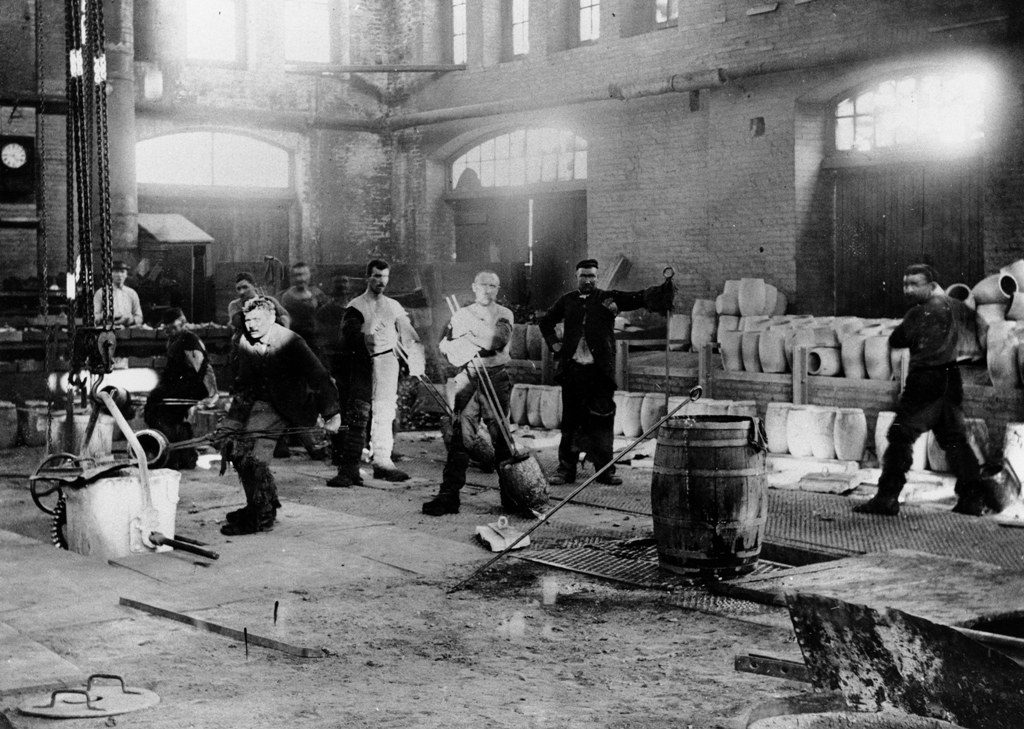
Instead of continuing his studies at Harvard, Taylor became an apprentice patternmaker and machinist. He gained experience at the Enterprise Hydraulic Works. The company’s owners were family friends, so he had no trouble securing the position.
While learning his new trade, his eyesight unexpectedly recovered. This led to a six-month leave from his apprenticeship. But he didn’t idle during this time; instead, he represented a small group of machine tool manufacturers at the Centennial Exhibition in Philadelphia.
He certainly didn’t abandon his studies, successfully completing them in 1878. After that, he became a full-fledged machine shop laborer at the Midvale Steel Works. There, his dedication to work was quickly noticed, and he was promoted to gang boss. But he didn’t stay in that position for long, as his career rapidly ascended. After gang boss, he became foreman, then master mechanic, later research director, and ultimately, the chief engineer of the plant.
Early Management Analysis
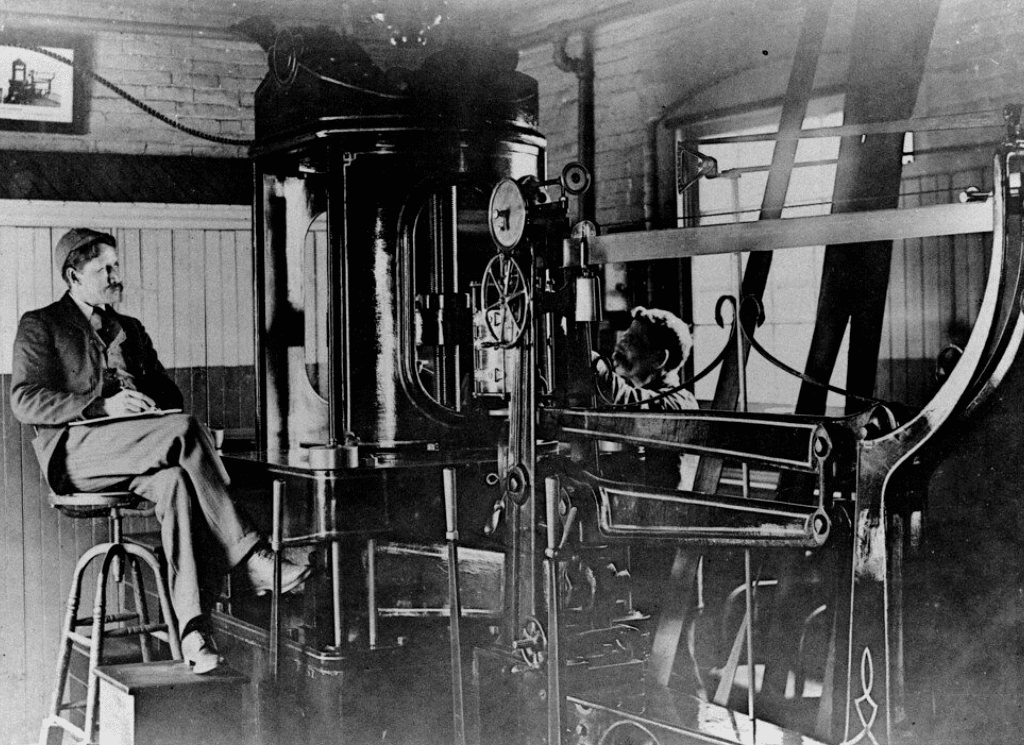
In his early years at the steel plant, Frederick began to notice that workers weren’t performing their duties as diligently as they could. Once he became a foreman, he naturally expected productivity to be significantly higher, but this clearly wasn’t the case.
After his long and meticulous observations, Frederick began to study and analyze human productivity. This helped him understand the potential output from workers. All the attention Taylor devoted to the production component, he later termed “scientific management.”
Taylor’s Continued Development
In 1883, Taylor earned a Bachelor of Science degree in mechanical engineering from Stevens Institute of Technology. From 1890 to 1893, he worked as a general manager and consulting engineer at the Manufacturing Investment Company. This enterprise owned paper mills located in Wisconsin and Maine.
1893 marked a breakthrough for him, as he decided to establish his own independent consulting firm in Philadelphia. This was quite a risky idea, as no one had yet ventured into this specialized field. But thanks to his consulting experience, Frederick managed to refine his management system and continued to work on it.
Taylor’s first article, titled “A Piece-Rate System,” was published in June 1895. It was presented to the American Society of Mechanical Engineers. This work was unique because it detailed Taylor’s twelve years of personal experience. The article showcased the author’s skills in technology and organization, which he sought to implement in actual production. He explored every possible way to maximize work speed without negatively impacting the workers themselves.
Beginning in 1901, Taylor started promoting his management methods. His work involved lectures, publications, and consultations. In 1903, he dared to release his first book, “Shop Management.” This book sold like hotcakes, earning Taylor widespread popularity.
By the time he achieved fame, Taylor already had his own school of scientific management, which produced many talented individuals. And starting in 1909, Taylor’s methods, involving the standardization of tools and production tasks, were widely implemented, leading to improved performance in factories and plants.
Final Years
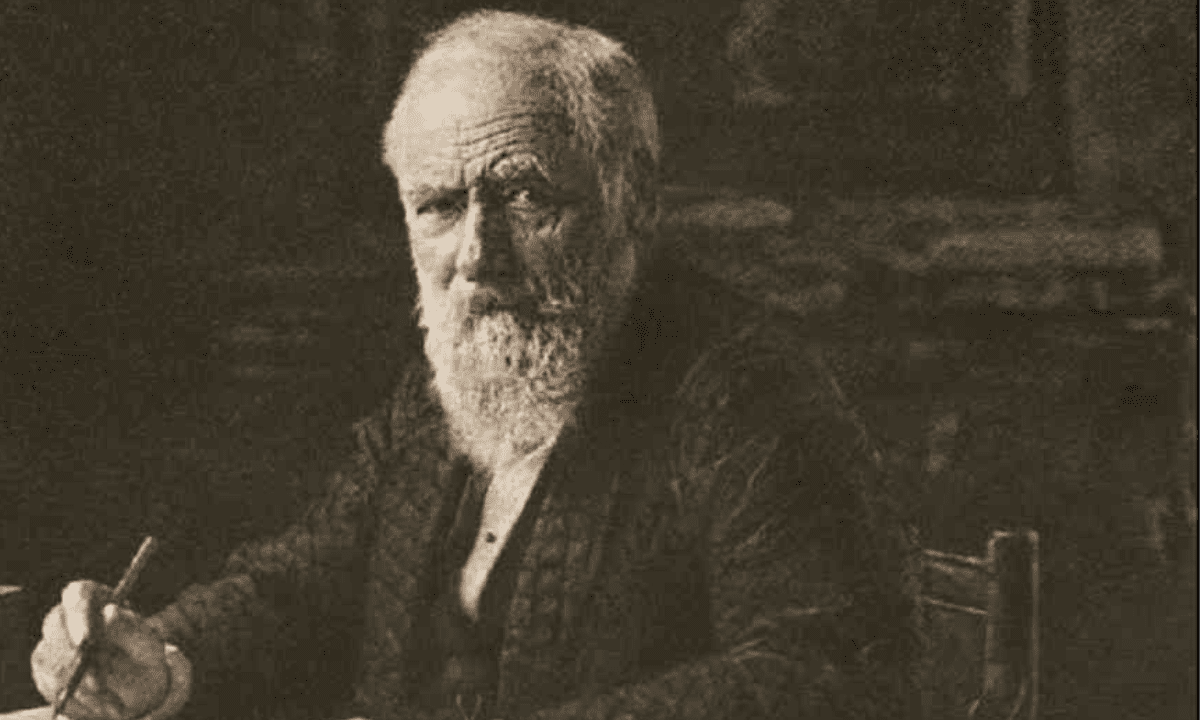
It’s simply impossible to list all the achievements Frederick Taylor made during his life. But one fact remains: through his long experience working in factories, he realized it was time to change the internal structure of every plant. He wasn’t afraid of failing in a new field, and after his success, he continued to showcase the superior aspects of his strategies. Countless individuals across the country listened to him.
But even such a brilliant mind eventually faded. For Taylor, that happened on March 21, 1915. In early spring, he fell severely ill with pneumonia. And tragically, just one day after his birthday, he left this world. But the ideas Frederick introduced continue to evolve and improve, shaping the way we work even today.