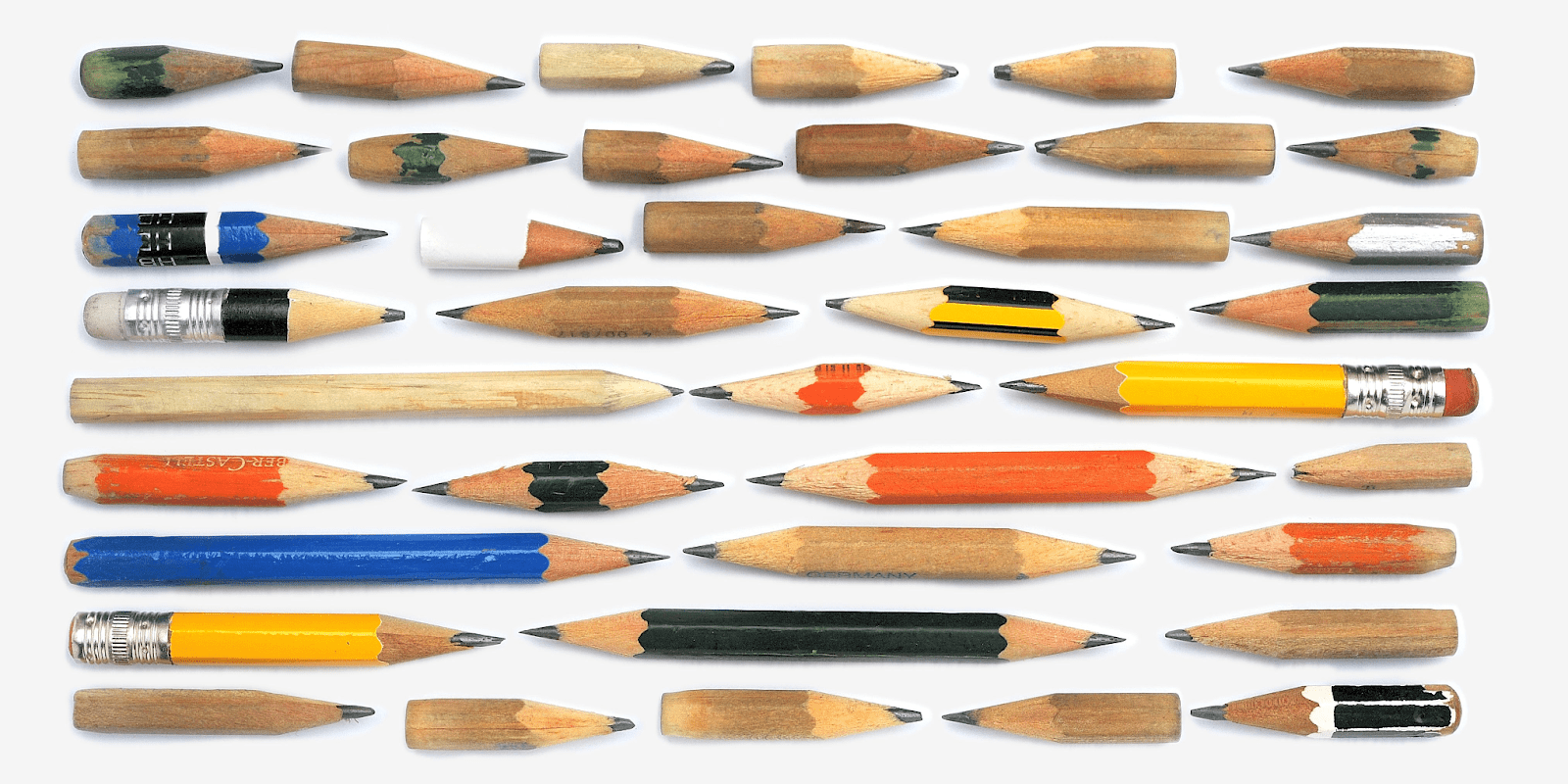

The wood-cased graphite pencil was created in 1565. However, it wasn’t until the mid-19th century that pencils with erasers first appeared on the market. We owe this convenience to the inventor Hymen L. Lipman, who was born in Jamaica but lived most of his life in Philadelphia. He was the one who came up with the idea of attaching a small eraser to a pencil so that any mistake could be corrected instantly. Learn more about the history of this useful invention at iphiladelphia.
A Brief History of the Pencil
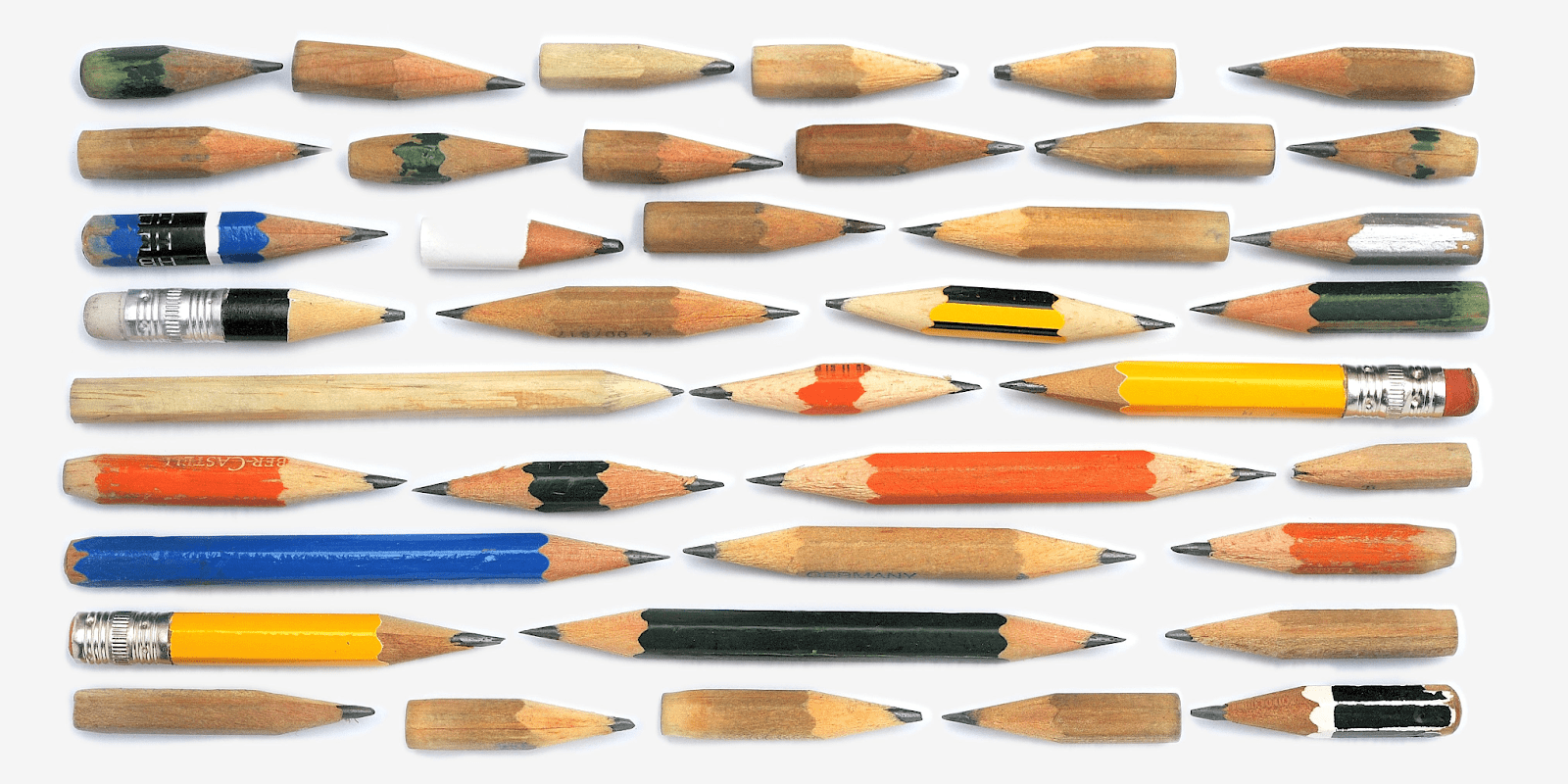
The earliest writing tool was known as the stylus, a lead instrument created in ancient times. Styluses were widely used by the people of the Egyptian and Roman Empires. The pencils we are familiar with today only appeared on the market in the 16th century, following the discovery of graphite deposits in northern England.
It turned out that graphite, though similar in appearance to coal, had very different properties. It didn’t burn but left clearly visible marks on surfaces. Crucially, unlike lead, this material was non-toxic. As a result, graphite mining began to develop, and pencils became a popular writing tool. Although we often call it ‘pencil lead,’ the core is, and always has been, made of graphite.
The first mass production of such pencils was established in 1662 in Nuremberg, Germany. Gradually, new companies emerged in Europe and exported their products to the United States. Before the War of 1812 with England, all pencils in the U.S. were imported. The first domestic pencil was produced in 1812 by a Massachusetts cabinetmaker named William Monroe. Later, Henry David Thoreau also got into the pencil manufacturing business.
It’s worth noting that famous figures like Benjamin Franklin, Leonardo da Vinci, and William Clark were all avid pencil users. They were true enthusiasts who constantly used them in their creative work. Yet, until Hymen L. Lipman of Philadelphia secured his patent, no one had thought to attach an eraser to a pencil to make the tool even more convenient.
The Pencil with an Eraser Patent: An Invention from Philadelphia
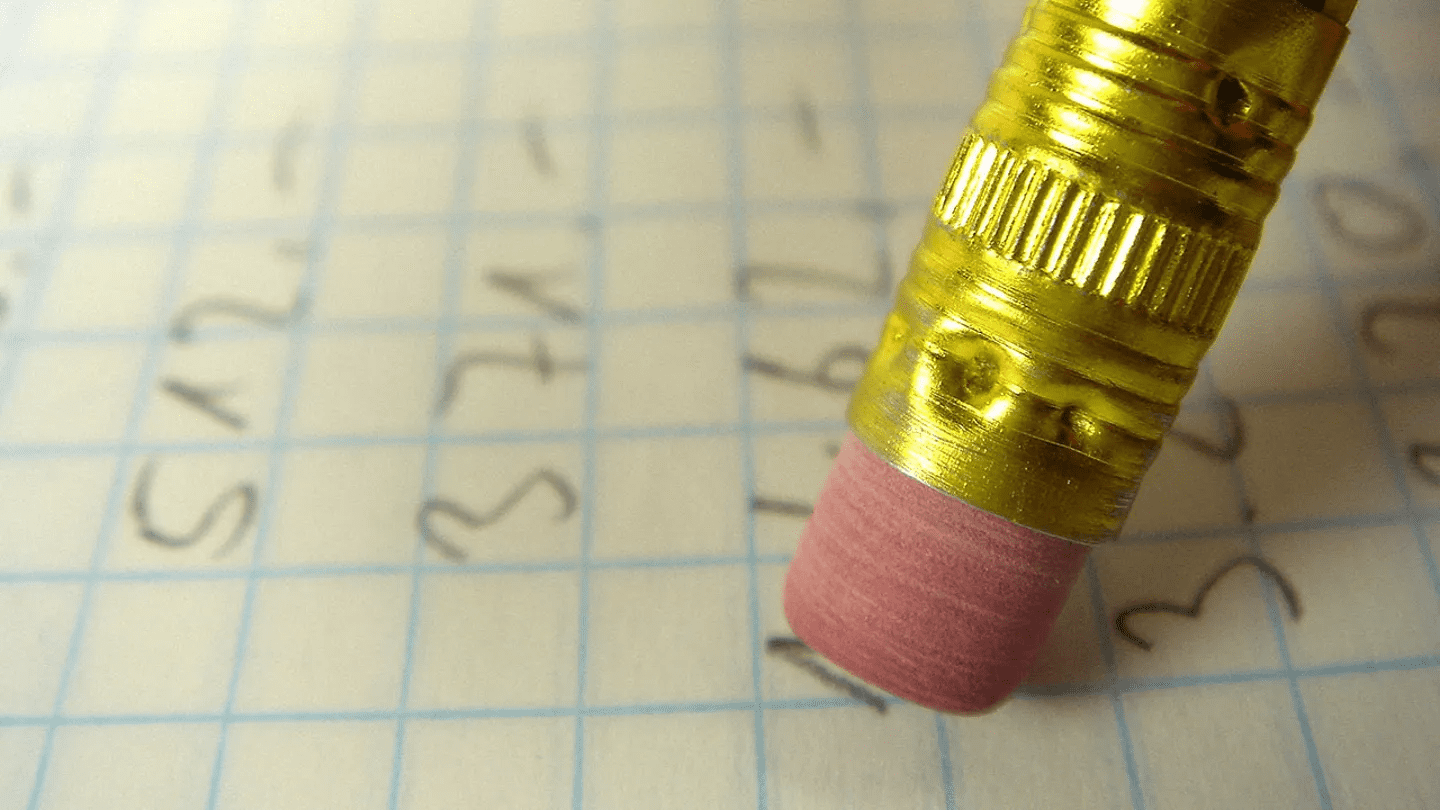
Philadelphia inventor Hymen L. Lipman received the patent for a pencil with an attached eraser on March 30, 1858. This historic day changed daily life for error-prone students, drafters, artists, and anyone who used a pencil for writing.
In his patent application, the inventor described a new and useful graphite pencil with an eraser. He manufactured the pencil in the usual way but left about a quarter of its length empty, where he carved a small groove. Into this groove, Lipman inserted a piece of eraser, securing it with glue. This ensured the eraser stayed in place and was ready to correct writing or drawings. Best of all, it didn’t get dirty or lost, which was incredibly convenient.
Interestingly, despite its obvious utility, Lipman’s new pencils were not an immediate bestseller. The fate of his invention, and its inventor, was changed by the start of the Civil War in 1861. The war created a massive demand for pencils, with soldiers, industrialists, and bureaucrats all needing more writing instruments.
Entrepreneur Joseph Reckendorfer noticed this trend and, in 1862, bought the patent from Lipman for $100,000. In today’s money, that’s over $2 million. The inventor gladly sold the patent, but the U.S. Supreme Court later ruled in 1875 that the design was not patentable at all, as it was simply a combination of existing technologies. From that point on, anyone could manufacture pencils with erasers, and they became a common sight on the market.
In fact, Lipman’s pencils became so popular that in the early 20th century, an American minister described them in a sermon as a symbol of American resilience—the ability to correct one’s mistakes and start over.
More Than Just the Man Behind the Eraser
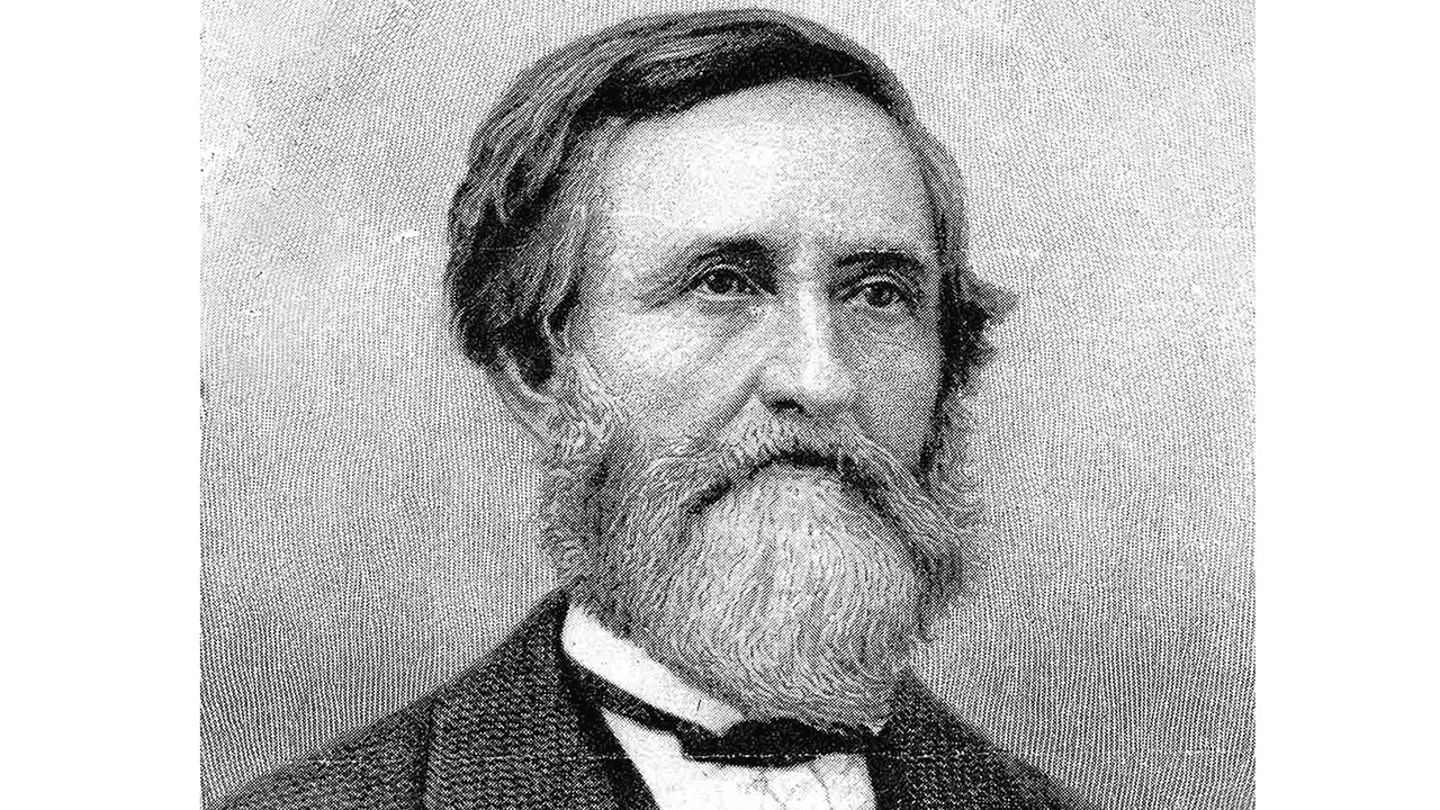
So what do we know about the inventor of the pencil with an eraser? Hymen L. Lipman was born into a Jewish family in Jamaica in 1817. He moved to the United States at the age of 21 and settled in Philadelphia. Here, he began to rethink various everyday objects, trying to improve them.
The inventor was later called the ‘Thomas Edison of the stationery world.’ In addition to the pencil with an eraser, he developed many other innovations, such as envelopes with adhesive on the back flap. He founded his own company and became the first manufacturer of these envelopes in the U.S. His simple idea made sealing envelopes much easier and became extremely popular.
Hymen L. Lipman also developed a method for fastening papers together using an eyelet, beating the invention of the stapler by two decades. In 1873, he was the first to manufacture and sell blank postcards in the United States. But perhaps Hymen L. Lipman’s greatest contribution to the stationery world was the pencil with an eraser. This invention not only made him famous but also helped him earn a considerable fortune. It’s a story of how observation and unconventional thinking led to success where it seemed difficult to invent anything new.